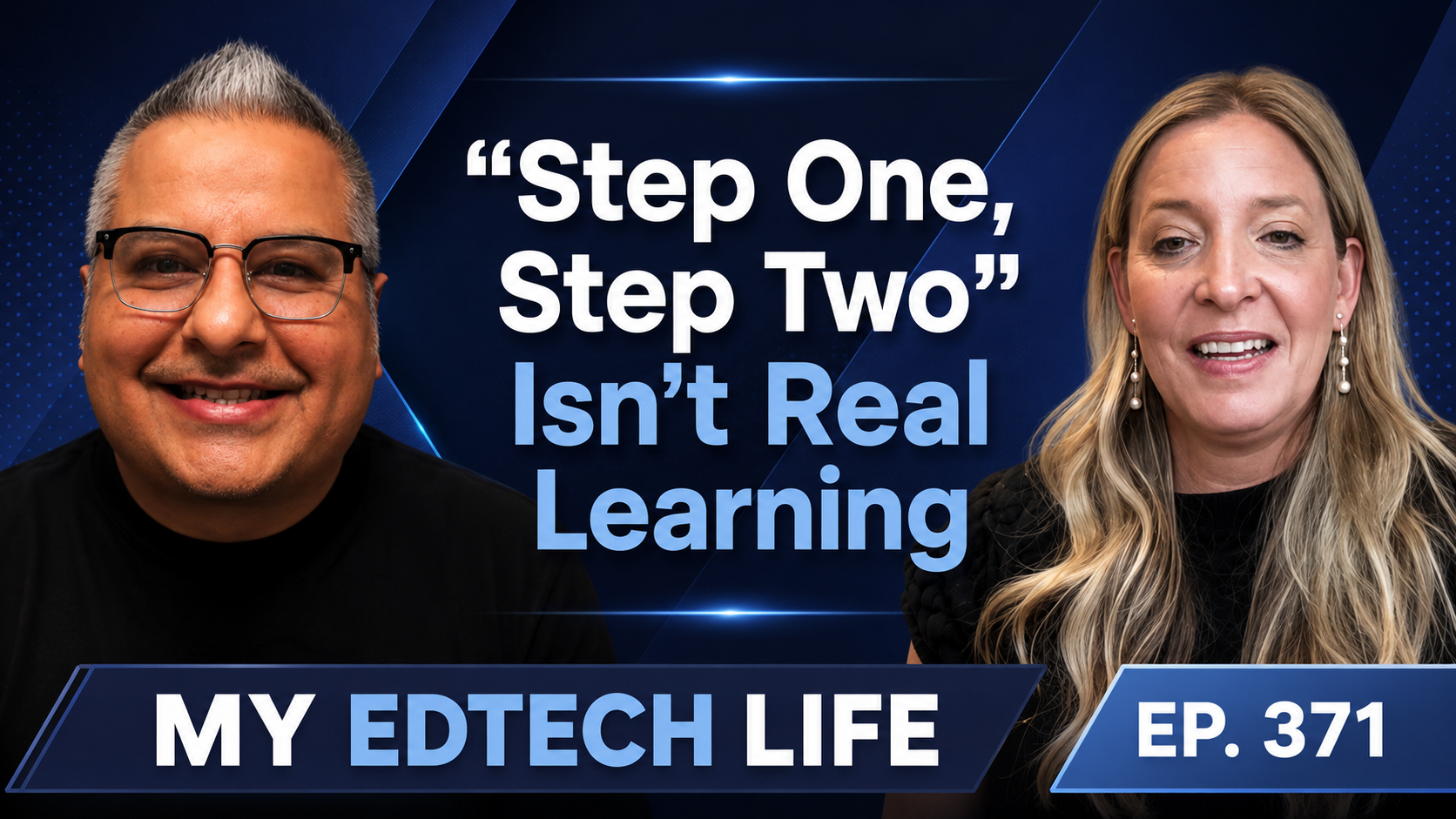
Why Step-by-Step EdTech Instructions Kill Student Critical Thinking
When teachers hand students rigid step-by-step instructions for digital projects, they often mistake compliance for genuine learning. Scripted edtech lessons teach children to blindly mimic a process rather than understand why a concept works. By focusing on open-ended goals and low-tech building strategies instead, educators can foster authentic critical thinking, creative problem-solving, and deeper content retention without adding screen fatigue.
Key Takeaways
- Rigid step-by-step instructions turn students into passive copiers rather than active problem-solvers.
- Technology should serve as a reference textbook or digital progress journal, not the entire learning ecosystem.
- Open-ended project goals give students multiple pathways to success, building vital critical thinking skills.
- Low-tech maker activities naturally spark higher student engagement and reduce tech burnout.
The Danger of Scripted Learning in Modern Classrooms
For years, the standard approach to integrating educational technology into K-12 classrooms has relied heavily on heavily guided, highly scripted workflows. Teachers hand out a checklist or a series of digital slides instructing students to click here, drag that, and fill in the blank. While this ensures that every student produces a uniform final product, it fundamentally undermines the development of genuine critical thinking.
When students are forced to follow a linear path of step one, step two, and step three, they do not have to think about the underlying mechanics of what they are doing. They simply execute commands. In a world where artificial intelligence and automated systems can execute commands instantly, the true value of human education lies in our ability to navigate ambiguity, troubleshoot failure, and adapt when a plan falls apart.
Compliance Versus Comprehension
Many districts fall into the trap of requiring 30 minutes of daily platform usage per subject to justify software investments. While digital platforms have their place, excessive daily screen time often morphs into compliance culture. Students learn how to game the system or click through flashcards just to hit the required time threshold. True comprehension requires students to struggle productively with a problem, test hypothesis, and experience failure in a controlled, supportive environment.
Shifting From Screens to Hands-On Problem Solving
As classrooms move past the heavy screen reliance accelerated by the COVID-19 pandemic, educators are noticing a strong desire from students to work with physical materials. Hands-on maker space projects—such as building cardboard arcade games from scratch or constructing physical scale models—tap into natural human curiosity. When students build a physical object, they encounter physical constraints that code cannot simply auto-correct.
If a cardboard hinge breaks or a marble rolls off course, the student cannot click undo. They have to stop, analyze the physical structure, and redesign their solution. This is where real learning happens. Technology still has a vital supporting role to play in this environment, but it shifts from being the star of the show to a silent partner.
Digital Journaling as a Support Tool
Rather than using screens to deliver passive content, teachers can leverage devices to document the physical learning process. Taking progress photos at the end of every class period allows students to create a digital journal of their journey. When a student struggles to remember how they constructed a mechanism three days ago, they can review their own photo logs, reflect on their progress, and figure out the next step independently.
Designing Lessons With End Goals, Not Scripts
To break away from the cycle of scripted instructions, educators must pivot toward outcome-based lesson design. Instead of providing a rigid manual, teachers should define a clear end goal and a minimal checklist of essential requirements. From there, students should be given the autonomy to determine their own pathway to reach that objective.
This approach mirrors real-world professional environments. Adults rarely receive a step-by-step manual for solving complex workplace problems; they are given a desired outcome and expected to use their resources, collaboration skills, and creativity to get there. Introducing this mindset early in K-12 education prepares students to become independent learners who are comfortable tackling unstructured challenges.
For a deeper dive into breaking free from rigid classroom instruction and balancing technology with hands-on learning, check out the complete podcast conversation. Listen to the full episode to hear more practical strategies from experienced educators.
Frequently Asked Questions
Why are step-by-step instructions ineffective for real learning?
Step-by-step instructions encourage students to mimic a process rather than understand the underlying concepts. This prevents them from developing essential critical thinking and problem-solving skills.
How can teachers use technology without overwhelming students with screens?
Teachers can use technology as a reference resource or a digital progress journal—such as taking photos of hands-on builds—rather than making the screen the primary delivery system for all daily instruction.
What is an alternative to scripted lesson plans?
Educators can establish clear end goals and minimum criteria while allowing students freedom and autonomy in choosing their own pathway to complete projects and solve problems.
How does hands-on learning improve student engagement?
Physical, tactile projects naturally spark curiosity, encourage peer collaboration, and give students a tangible sense of accomplishment that digital-only platforms often fail to provide.

Dr. Alfonso Mendoza Jr., EdD. Educator, host of My EdTech Life (360+ episodes), and a cautious advocate for pedagogy-first EdTech. Doctoral research on AI in education. Google Innovator (VIA20), Adobe Education Innovator, EdTech Digest Top 100 Influencer. 8,500+ educators trained. Servant leader at heart. Blessings.
Stay Techie ✌🏼
Why Digital Natives Need Emotional Intelligence, Not Just Chromebooks