

 Spotify
 Goodpods
 Apple Podcasts
 Amazon Music
 Pandora
 RSS Feed
 Whose Problem Is EdTech Solving? | My EdTech Life 374
Drawing on 19 years in EdTech, Jacob explains why district doors stay closed, how sales targets can get in the way of listening, and why even well-liked vendors can lose contracts when budgets tighten. We discuss involving educators in product development, asking better questions, and showing up when implementation gets complicated.
Key Takeaways
- District doors often remain closed because EdTech sales representatives focus heavily on meeting quantitative quotas rather than listening to the real, immediate pressures educators face.
- Jacob Kantor's role as a District Office Door Opener (DODO) emphasizes relationship-building, empathy, and genuinely understanding a school's core pain points before ever introducing a product.
- Successful EdTech partnerships require vendors to be transparent about what their tools can and cannot do, avoiding one-size-fits-all claims that fail to address diverse student needs.
- When implementation issues inevitably arise, having a pre-established, trust-based relationship ensures that schools and vendors can resolve problems collaboratively before minor hiccups turn into deal-breakers.
- Taking the time to show up in person, listen actively, and understand educators as human beings rather than sales targets creates long-term, sustainable partnerships in the education space.
In Episode 374 of My EdTech Life, Dr. Alfonso Mendoza Jr. sits down with Jacob Kantor, the Chief DODO, or District Office Door Opener, to explore what it takes to earn educators’ attention, build trust, and serve schools.
Drawing on 19 years in EdTech, Jacob explains why district doors stay closed, how sales targets can get in the way of listening, and why even well-liked vendors can lose contracts when budgets tighten. We discuss involving educators in product development, asking better questions, and showing up when implementation gets complicated.
Jacob also shares the personal motivation behind his work: arriving from Ukraine without knowing English and now using that experience to encourage his son through speech therapy. His story brings the conversation back to the children and families affected by the decisions adults make.
If you’re an educator, district leader, EdTech founder, or someone working alongside schools, this episode offers a candid look at what meaningful partnership requires.
Time
00:00 Welcome to My EdTech Life
01:00 Sponsor Thanks and Introducing Jacob Kantor
03:00 Jacob’s Journey into Education and EdTech
04:00 Becoming the Chief DODO
07:00 Connecting District Needs with Relevant Solutions
10:00 Why District Doors Stay Closed
14:00 When the Sales Pitch Replaces Listening
16:00 Budget Cuts and Difficult District Decisions
18:00 Showing Up and Understanding Educators’ Needs
20:00 Whose Problem Is EdTech Solving?
22:00 Building Products Alongside Educators
25:00 Trust When Implementation Gets Difficult
28:00 Relationships Beyond the Sales Conversation
32:00 Asking Better Questions and Making Connections
35:00 When a Company Isn’t Ready for District Introductions
37:00 Evidence, Fit, and Setting Boundaries
40:00 Client Commitments and Conflicts
42:00 Listen More and Give People Permission to Stop Pitching
44:00 The Five-Year-Old Behind Jacob’s Work
46:00 Final Reflections and Closing
💬 What is one problem you wish EdTech companies would listen to educators about? Tell us in the comments.
Subscribe for honest conversations that amplify educator voices and connect technology with the realities of teaching and learning.
🎧 Explore more episodes: https://www.myedtech.life/
Thank you to our sponsors: Comeback Coffee, Book Creator, Eduaide.AI, and Peel Back Education.
Stay Techie ✌️
Thank you for watching or listening to our show!
Until Next Time, Stay Techie!
-Fonz
🎙️ Love our content? Sponsor MyEdTechLife Podcast and connect with our passionate edtech audience! Reach out to me at myedtechlife@gmail.com. ✨
Frequently Asked Questions
Who is Jacob Kantor on My EdTech Life?
Jacob Kantor is the Chief DODO (District Office Door Opener) with 19 years of experience in the EdTech industry, known for helping companies build trust and establish meaningful partnerships with school districts.
Why do district doors stay closed to many EdTech companies?
District doors often stay closed because EdTech sales representatives frequently prioritize rigid sales metrics and product demos over genuinely listening to the daily operational and instructional challenges educators face.
What is a District Office Door Opener (DODO)?
A DODO is a role focused on bridging the gap between school districts and EdTech solution providers by fostering thoughtful, relationship-driven conversations based on actual district needs rather than aggressive sales tactics.
How can EdTech companies better serve schools and educators?
EdTech companies can better serve schools by co-designing products with educators, asking better questions about their daily problems, and maintaining honest communication throughout the entire implementation process.
00:00 - Welcome And Sponsor Shoutouts
02:20 - Jacob’s Path Into EdTech
08:40 - Becoming The Chief Dodo
13:35 - Why District Doors Stay Closed
20:45 - The Case For Relationship-First Calls
26:40 - Building What Educators Actually Need
34:35 - Trust, Community, And Being Memorable
40:35 - When To Walk Away From A Deal
44:55 - Stop, Start, And The Human Why
47:10 - Final Thanks And Where To Listen
Welcome And Sponsor Shoutouts
Dr. Alfonso Mendoza
Hello everybody and welcome to another great episode of My Ed Tech Life. Thank you so much for joining me on this wonderful day. And as always, wherever it is that you're joining us from around the world, thank you as always for all of your support. We appreciate all the likes, the shares, the follows. Thank you so much for engaging with our amazing content and for all the wonderful feedback and the wonderful connections. It has been an amazing six years, and we're just feeling I feel like we're just getting started and scratching the surface on some amazing conversations like the one we're about to have. But before we do, I want to thank some important people. Of course, that would be our sponsors. So I want to give a big shout out to Comeback Coffee that keeps us caffeinated and creative all at the same time. Big shout out to Book Creator, Eduate, and Peelback Education. Thank you for believing in our mission to bring you some amazing guests and amazing conversations. Like today, I am excited. Today is a great day. We have been trying to make this happen for a while. And I have followed our guests today for a while on LinkedIn, shares some wonderful content, amazing how much he puts himself out there and just sharing things from his life, from his world, from his work. And he's just an amazing creator overall. Like, I don't know if he considers himself a creator, but I would love to welcome to the show Jacob Cantor. Jacob, how are you doing today?
Jacob Kantor
Hey, uh, thanks for the intro. I can't believe you've been at this for six years. Uh, so kudos to you for sticking with it. I know uh, you know, myself being year 19 in ed tech on lots of different teams. Uh, you know, see I I know the the ups and downs on some of the times where family comes first, then you got to put this on the back burner, or this is your number one thing, and other things are on the back burner. So kudos to you for uh getting to year six. That's impressive.
Dr. Alfonso Mendoza
Thank you so much, Jacob. I really appreciate you and kudos to you. Like I said, I since I've been following you, it's just been amazing to see your trajectory, your work, and just how much
Jacob’s Path Into EdTech
Dr. Alfonso Mendoza
you put out there that for me has been wonderful to learn from, especially, you know, now transitioning into ed tech, but even during my uh doctoral research and just the posts and following those things and just really inspiring me to you know really dive in a little bit more and a lot more actually into this space. But I'm ready to have a great conversation today. But just in case, Jacob, for all our audience members that are listening who may not know or be aware of your work just yet, but I promise you after today, you will have some more followers that are gonna be hopping on onto your LinkedIn. Can you give us a little brief introduction and what your context is within the ed tech space?
Jacob Kantor
Yeah, I'm gonna take you into the way back reshitting. So family and I came from Ukraine that settled in LA, LAUSD to Cal State Northridge, to UCLA, to working for LAUSD, to McBra Hill, to like eight different ed tech companies as a sales uh sole contributor. So I carry the quota, and uh I was going four days a week in the field and delivering coffee, donuts, you name it. And then about three and a half years ago, as one of the projects kind of came to a wrap, uh, couple mentors, you know, and I give them the love anytime I talked to them. The Ben Cornells of the world and Paul Chad and John Small were like my good advisors that I run a lot of my weird ideas through. Um, kind of just all said, like, hey, you should just kind of go do your own thing. Like, we know you can do it, like this is the time to do it. I didn't know what that meant. I said, I don't know what you're talking about. But this idea of like uh ed tech consultant was born, and at first I found myself struggling to talk about the work because I was like, you know, I have like relationships and I sold to folks, and I've done lots of work on different projects with schools and districts, and now I can like introduce people for thoughtful conversations to see if there's a need and a there, and it was always hard, it was like long-winded, and then I spent some time with like a marketing friend, shout out Ian, and I took him through like uh the online call in the same way we're talking like this is what I do, this is what I tell them, and he was like on a meeting he's what I do. Kind of like this dodo, you're like a district office door opener, and I was like, Oh my gosh, like A, is there an emoji for that in my phone? B I don't like I would have to look up what a dodo bird looks like, like it's not a thing I like think about ever. But C, like, if this is branded to me, like that is great. And like that weekend, I'm really quick on like I have an idea, I test it, it doesn't work, scrap it. It works, continue it or modify. So I think that week, that weekend I was at a conference in Santa Barbara, and I I'm weird. I traveled with Sharpies, I have a backpack of charges, you know, all the snacks dad life over there. I got snacks, I got chargers, I got uh hand sanitizers, you name it. And that uh weekend I brought a Sharpie and on my badge I put Chief Dodo District Office door opener, and I was like, dude, either people are gonna hate it and I'm gonna have to like erase it, or they're gonna be like, What is this? And the second happened, and a couple of soups that I just met for the first time like literally like leaned in, grabbed my badge, and they were like, I've never seen anything like this. Like, what does this mean? And I was like, Oh, you know, I work with some companies and they're like the best in class, and like they want to talk to folks like yourself. So if you're ever in need of some products, like that's what I do. And they were like, Yeah, I need this, this, and this. Like, what do you got? And I was like, Oh, I think there's a thing here. I think there's a thing here, and that next week I think I like revised the entire LinkedIn, I changed everything. I said, Hey, I'm gonna like go all in on this, and now I can like confidently say if you land on my LinkedIn, you will in a minute know exactly what I do and what I could potentially do if you're a tech company out there. So it's really helped me cut through the noise because there's great consultants out there, there's great folks to do strategy, go to market, and SDR work, events, planning, sporting events, planning dinners, like you name it. There's folks that uh do a lot of things, and what I found that I uh what comes really easy for me is really trying to figure out who do I need to pair up with you for a very thoughtful conversation based on what I know about that person at their district or what they're trying to solve for or their strategic plan. If I know they have uh LCAP goal of really improving math scores, and by the way, that's a common one, everybody's struggling in math. But if I know that, and then I also have a math provider that I really believe in that has crazy evidence and efficacy and data to show, why would we not want to put them together and say, you have this really big goal? This company does this already with hundreds of schools and districts, and we can show you the data and efficacy and festivolials and everything. I think this is worth the conversation for you guys. And look, even uh even with all those data points, people still sometimes don't respond, right? So it's one of these games of like uh everyone is busy and we're fighting for attention, truly, right? Like uh my kids are seven and five, and they are now experiencing the dynamics of like you know, uh fucking screen time and all this stuff, right? Like they are now watching engineering videos and gardening videos and cooking videos, and like, you know, yeah, god forbid there's a ad that comes on, or we're watching the news and there's a commercial bridge, right? Like that the attention scale is not there anymore, so it's really uh, you know, how can you cut through the noise, make sure it's very relevant to somebody? And if we can do all those
Becoming The Chief Dodo
Jacob Kantor
things, then there's a higher probability that two people that are good people or try to do good work can be. And I think that's actually how we met, right? Like on LinkedIn, we just started chatting, and I was like, hey, like tell me more about your work and what you do at the district, and it was uh no real like uh, you know, I hope that when people listen or meet me, they're not like what's this guy's agenda? Because you know, that's not how I don't operate like that. I'm not okay. Look, do I think 10 steps ahead? Of course, right? But for me, I'm not like okay, I need to buy this guy lunch because in three years he might be this person somewhere, and that's like that's not how I work, right? Like, I everyone has a unique story, and we're all sharing our unique stories, and the more I can learn about other people's unique story, the better I can connect with them, and ultimately, like, we always have this one life, and like I rather make more connections based on shared interests than shared goals, and like that's just how I operate. That was the longest ring fixer ever.
Dr. Alfonso Mendoza
No, but that's great because it gives us some great insight, and this is everything that I have seen you do on LinkedIn, and just the way that you are so approachable, the way that you really do have a genuine intent of meeting and getting to know people and just getting to know their stories. And I think that's something that is very important, and especially in the ed tech space when everybody, like you said, is vying for everybody's attention and obviously for you know, uh money, you know, at the end, you know, because you're selling a product, you want to make sure that you share what you have and how that is going to make an impact on your students. So, I mean, there's a lot of competition there. So I want to kind of ask you now, uh, Jacob, in your experience in being a district office door opener, you know, what have you learned about why so many district doors may be closed uh to a lot of ed tech companies?
Jacob Kantor
Good question. Um I think some of it has to do with the fact that like a lot of sales ed tech organizations have queer goals that they have, right? As a company to keep the lights on, the reps need to talk to 10 people a day, and you got to have 40 meetings a month, and their metrics show that if the reps can have 40 calls every single month, three of them will move into the next stage. And of those three, one of them might move into some kind of contracting and go to the board, and they will close one deal per rep, right? So everyone's uh from the ed tech side looking at metrics of like we need to talk to this many people, we need to dial this many times, I have to call, I have to email, I have this, and like I did that as well, right? I'm McGraw. I visited four days a week, and I visited 20, 30 schools a day some days, driving around LA. So, like, that is a map quest feat. Thank you, map quest. Uh, I don't even know if they're around anymore, but I I say that because the reps that are get trying to get in front of the folks that are very, very busy at the districts sometimes forget that those folks are not thinking about anything ed tech related, they're thinking about is the bus on time, are all my teachers teaching properly today? Are any parents showing up that don't need either for whatever reason? Uh, are my spent teachers doing what they're supposed to be doing? Is the board happy? Are the things we haven't are the construction projects moving forward? Is everybody safe? Is everybody healthy? Like all these things that like are second nature to us, where you're like, oh, those are just standard things. Like those are the things that they are worried about every hour on top of the 10 things that their teams are asking of them. Then the ed tech side is interjecting ourselves into that to-do list, right? There's like 10 things they need, and then we're like, hey, we have this interesting thing, we'd love to talk to you. And here's the thing there's a very thoughtful way to do that, right? You like truly a thoughtful way to say, I've reviewed all of your data, and I truly think that there's a potential impact to be made here. I think we should talk for 20 minutes. But when they'd get those, you know, look, that's the thoughtful message that if you send to one of my folks, my folks would be like, hey, if it makes it past their stand filter, right? They're gonna be like,
Why District Doors Stay Closed
Jacob Kantor
it is homework. Let's let's see, right? But on those calls, you've probably been on many of them too. That like the way we're talking and building a relationship on this podcast is not how those sales calls go, right? Those sales calls go in like uh let me tell you about everything, I'm gonna show it to you. What do you think? And you've been on these calls, right? What happens when you log into a zoom and the person has a deck up or their website? You know what happens, the eyes shift to the second screen, and that person for a half hour is like clearing their inbox, and that is a terrible use of everybody's time, is if you can't have a genuine conversation about the districts, the struggles, the pain points, the things that they're saying day in and day out. And I uh some of this is truly, I feel like on the ed tech side, the sellers are really scared to report back to the people that manage them to say I didn't demo it, I didn't talk to them about all the shiny bells and whistles, I didn't use some of this stuff because they will be reprimanded by not doing that right. And I am the opposite. I'm like, I can go the whole hour 30 minutes and not tell you about any of this stuff. But I would like to know what specifically are you trying to solve yesterday? What if you if we could solve it for you? What would it be? And it might not be that cool, and that's okay. That is okay, right? But if it is related to that solution, that is a very thoughtful second conversation that you can have with somebody to say, hey, like on the last call, I learned this. I've like mentally prepped for this because I think we can help with that. Is it okay if I show you? Like, that's a great overall dialogue, but also process. But I'm convinced that it's tough out there. Like, this isn't COVID time, people aren't buying 20 million dollars of chat-based tutoring that you know they met at the RDI, right? Like, that this is not that time right now. So people are being thoughtful, people are looking at their budgets, people are cutting tools, right? I was on with the district uh a number of months ago, and uh a CTO friend, we were just catching up, and I was like, How are they still? He's like, It's a weird time because I have lots of vendors I really like, but we are in a budget crunch, and I'm gonna have to cut like 75% of the tools that I use, and like I'm gonna have unhappy teachers, I'm gonna have I'm like there's gonna be repercussions, but like if we do not have the money, do I want unhappy teachers or vendors, or do I want to fire the teachers and have unhappy parents? Yeah, those are two different things, right? Like, and that that's just kind of the reality we're living in right now is you know, yes, I live in California, so there's after school dollars, there's community school dollars, there's special ed dollars, so there's a lot of like great things happening here, but that is not the same for every single state. So it's like could you tap into some of those things? And if not, like I venture to say some of these are I mean, you've seen it, right? Like, there's been some crazy layoffs over the last month, and like I feel bad for the community, and folks are reaching out, and I'm like, How can we help? Like, what please please do some homework, find out who you would like to work for. Uh, and then if I have them in the network, let's connect the dots at the hiring, like, let's there's no bottleneck here, right? Like, all the tide lifts all boats. Yeah.
Dr. Alfonso Mendoza
No, and uh, you know, everything that you said there, it just really hits because I've seen it, I've lived it, um, reading up on it. And like you said, you know, the districts at this time, they're very busy. They're like you said, there's a cadence, the school year started, and obviously they're getting bombarded in their emails, you know, from companies, LinkedIn messages. I know you posted earlier also like people just getting messages, whether it's recruiters, whether it's ed tech companies, and so on. So they're getting demos, they're getting pitched, and you know, they're they're trying to do all of that in the middle of just the normal school day cadence and trying to make sure that everything's working. And one thing that I really like that you hit on, Jacob, was just that relationship aspect. And I think that, you know, even all sales calls don't have to be salesy. As a matter of fact, you know, I think uh in a conversation, I can't remember what podcast uh that you were on, you had a conversation where sometimes, you know, the best first meeting is where you barely even talk about the tool. And you mentioned that yourself. You can go a whole hour and night or hour and 30 minutes of not even mentioning what the platform is, but you're really just getting to know what it is that that school district with that CTO is needing. And like you mentioned, very that I love what problem were you trying to solve yesterday that we can work on and help with in the future? And I think those are some very important talking points that maybe a lot, hopefully a lot of our listeners here, and especially if you're in the ed tech space, are taking some notes because these are some wonderful, wonderful um pieces of advice that you've shared. Recently, I was just in Oklahoma for a week doing a roadshow and visiting campuses in person. And mind you, just the look on their faces of like, wow, you know, you're here, you're present, like, you know, and even if it's just to drop off some donuts and some flyers, but just say, hey, how are you all doing? How's your school year going? What are some things that, you know, we can be helpful with? You know, do you have your OUs set up? Do you have this set up? You know, what can we take off of your plate to help you? And man, just the response is just amazing. Just that being able to be there in person has really made a big difference. But like you said, it's all about those connections and just getting to know people, it makes a huge difference. Now, you know, in the ed tech space, you know, we talk a lot about solving problems, but sometimes I wonder, are we solving the problems that educators actually have or problems that companies really need educators to have? So, how can we tell the difference?
Jacob Kantor
Yeah, you know, it it's the common theme, I feel like, over the last 30, 60, 90 days, and even on my end, as I'm submitting some like proposals for self-by-self west and net tech week and FETC, uh, some of the themes that came up, and now obviously think uh Blessed AI, like uh all the the cods and the chats and the Geminis that help me with proposals now, where you know, in the past it probably would take me an hour to do a proposal, and now I can get 10 ideas in
The Case For Relationship-First Calls
Jacob Kantor
15 seconds with every popular topic in the uh educational idea today. So that's awesome. Uh, but not all those topics are good, right? And some of them are really like can you co-design with a school to help solve their problem? The challenge, uh, challenge or opportunity, I don't know, both, is some orgs that have built a great tool, yes, shiny, yes, spells and whistles, all of this stuff, they solve for one thing, which is X. And when you're on a call and you're building a relationship, and the school or the district says, I need help with why. Where does that conversation go? We don't do why. We're wishing you uh, like keep us posted if you solve for the smart founders and the smart companies would say, Can I get back to you? I would like to see on the dev side how big of a whip it would be to help you solve that. We are not that right now, but but we need to do some research. IOU follow up to see how hard that is, right? Pretty good. Maybe you do it, maybe you don't, but maybe there's a As some kind of follow-up. Others are saying, I'm in build mode. This is my second company. I had a very successful career doing XYZ. I'm gathering info. I'm in a research mode. What is the biggest thing that you need help with that if it was already there, that you would partner with, pilot with, get for free, use for year, whatever language we use, and then gathering that data, and then being like, I'm seeing themes, I'm seeing a theme for SIS, or I'm seeing a theme for whatever, whatever we're talking about. Tutoring, assessment, it doesn't matter, right? I'm seeing the themes now. If I go build this on my own, then I could potentially show it to them after, or can I thoughtfully say, I actually am thinking about building that thing that you need? Can I tap you once every two weeks to show you progress on it? Because you would be literally our ideal user, and for that, for your time, we will give you some kind of two-year license once we launch this. And some people still will say, I don't have the time to view that, right? But if you build a good enough relationship and somebody says yes, then you have a build partner, and that is a very difficult thing to get uh as an ed tech solution provider, right? Like uh through the like who from the organizations are that have build partners, right? Like the GSV Google fellows, there's 30 of them every semester, and they're not build fellows per se, but the these are folks that come together that the GSV team and the Google team do like deep wording with them and say, What are the things that are needed in your ecosystems right now? We want to tell you about the things we're seeing and thinking about, but that's us above, like that's not the district we're like uh above is not the light word, but like we're beside you, right? We need to hear from you because if we're working on the wrong things and you're not going to be solving for the things that we think are important, we need to re-evaluate what we are building and spending resources on, right? So, like this this idea of like being a thoughtful partner and thinking about it long term, and I think I told the story recently, right? Like during COVID, I worked for uh varsity tutors, I was their first hire, RIP varsity tutors. Uh, they uh their their business that sells to districts is not around anymore, but I was the first hire, I sold the first five million dollars. I was there for a year, I was there during an IBO. And the the thing I always come back to, like some of my best relationships right now that I text with all the time. We have conversations about shoes and life and AI, are folks that I met during that time because we bonded over shared needs. But you know what's fascinating is not all of those programs at their schools were hyper successful. They like some of them were okay, some of them were average, some of them were great, and the kids got exactly what they needed. But I tell a lot of the companies I work with is you need a good enough relationship that when stuff hits the fan, that you get the call because inevitably there will be a hiccup, there will be something that the board asked that you didn't have an answer to. There will be something about single sign-on that was not figured out until after the fact. There will be something about rostering that they thought was easy and it is not easy. There will be something about a parent being grumpy and saying, What I who approved this? Why are we doing this? Like, there will be something that comes up during that relationship that we cannot predict. And I would like then to like me enough to say, I'm gonna call our person and let's get this rectified. And if I get the call early, I can say I will get back to you. Like, I need a couple of hours, you're gonna hear from me within a couple of hours, and even if it's I need
Building What Educators Actually Need
Jacob Kantor
till tomorrow, and you'll hear from me, right? But I would like the ability to rectify whatever hiccup happened before it gets that hiccup turns into pneumonia, yeah, and it's uncurable, right? Because once it gets to that point, the relationship is still there, but the problem has gotten so large that it's not fixable. And I would like to get ahead of each thing, right? So I say that along with the story of like some of my folks I talk to the most are people that we were working through projects in 2020 2021 to solve what they needed. Some of them went swimmingly and they got what they needed, and others didn't. And we're still in contact now because I think from the get-go, I said, Hey, this is what it is, this is what we're looking to help you do. It's not gonna be perfect for everybody. Like, this isn't there's no one-size solution for every single one of your students at your district because they're all gonna be at different levels, and like we will do our best to do this, but it it's it I can't tell you with 100% straight face that this is gonna work for every single kid, and I think like hopefully that's the reason we're still in touch, or if not, maybe I have cool shoes, and that's the the pass-through line, right? Like, but um, yeah, it I think it's at the end of the day, just being genuine with folks and saying, like, hey, this is what I do, what do you need help with? And yesterday as a prime example, I was in San Diego all day with one of my great partners uh that does like special ed uh paraprofessionals subs. And we spent some time uh doing like a lunch with some of their existing partners, right? So this wasn't like a sales lunch, it was like you guys already work together, we are appreciating you. Let's go to lunch. Like, we're not talking about sales, we're not talking about updates, we don't need your renewals, we're just having lunch. And some of the fun conversations came out from that was their own partner saying, By the way, you know, there's an event in October that I didn't think about until literally us at this lunch that like you 100% have to be. You know why? Because Sally at the other district who we've talked about that you're trying to also work with, Sally will be there, and I know Sally really well. Sally doesn't pick up calls, Sally won't talk to vendors in this way, but Sally will be at that event, and that is how we can introduce you to Sally. It's like I was sitting there and I was like, this is so cool. Like, I had the weird, like, you know, in my brain, I was like, this is literally the like the coolest interaction that I am experiencing because your own partners are thinking about wow, I love working with you. I'm trying to figure out how to help you and for others to work with you too. That just gives me like the warm and fuzzies, right? Because that's a partner that's doing good work, they're celebrating the work, they're celebrating those educators, and it all works in a positive for them, right? And including we have like two parts. We also had like an evening event for everyone who could come to lunch. And I met some great uh people at the evening dinner too. And I said, Hey, like, where do you fit into the ecosystem? And some were their partners, and some were you know different districts that they've never worked with, but they're like best friends with other folks. So it was like just a jet, and there's no there was no presentation deck, we didn't do a PowerPoint presentation, we didn't even talk. Like, if somebody asked them, like, what do you guys tell me? Like, what do you state? How expensive are you? Of course, they talked about it, but it was more of like uh, do you have kids? I have kids, I have young kids, do you have older kids? What do I what do I need to learn about the next 10 years before they go to college? Those were the conversations, or we talked about you know, CTE programs, or we talked about raising money for their schools, or we talked about health journeys and people losing weight. So, like, there's interesting pass-through lines that we all deal with, even though we're educators and we're all trying to do right by kids and families. We all have our own things we're battling. If it's weight loss, if it's our kids' homework at night, which I'm bad, that's my battle right now. Or do you know for securator kindergarten around like homework time is a thing that I'm now my patience is uh learning about, but uh like everybody is fighting a battle that we don't know about, and when they are at their districts with their district person hat on, that is just one part of who they are, and when they go home, it's a completely other thing. And ultimately, I truly live by this is people want to do business, people want to spend time, people want to be friends with people they like. Yeah, if you as a vendor are not likable, we need to put you in some kind of Tony Robbins class on being likable because if folks don't naturally attract themselves to you, or you can't build a good relationship with somebody based on some comedy goals of having kids do it right by students, whatever professional development, Tony Robin, help kit, you whatever that topic is, like there are pass-through minds, and I don't know why my brain works like this. Might be because I listen to literally no music, and all I do is do podcasts and listen to people talk all day long. So I'm getting a flood of interesting questions, but also answers and information, and at times it's too much for sure, right? You ever go four days of not listening to podcasts, you're like, Oh my gosh, there's like 77 ominous lists. But like you can ask interesting questions and get to know people beyond the surface level, then you're likely to have better conversations the next time you see that person, and like um, there was a uh great Jay Shannon podcast that I listened to last night on the way home from St. Diego, and he interviewed somebody that literally is like uh uh a neuroscientist professor, a her like book that is coming out is literally about having conversations. Like, what questions can you ask others to go deeper faster without being like, hey, the weather today, huh? And I'm guilty of this too. So I say all this, I'm preaching and I don't, but I'm guilty of like, oh, I don't know this person, man, it's hot today, huh? So I think that we all naturally do that, right? But I think I can naturally be like, you know, this is the type of weather that like this bald head is not good for, like, no sunscreen here, and like uh I'm trying to keep my beard not gray. So, like, uh, bear with us. Like, can we move in the shade? And oddly enough, then you're like, Oh, how old are you? Like, oh I'm like, I'm 42, don't mind the hair, you know. Like, but like you could go quicker. Like I'm like, I'm the person you meet that I'm okay making fun of myself, I don't take myself that serious, right? So, like, I will quickly make fun if it puts the energy in the room in a better place. I will make fun of myself every single time. I don't take myself that serious. Clearly, I my background is like uh shoeboxes, poker stuff, uh, awards, and lots of other shoes. Like, this is you know, I hope when people meet me, they're like, that was interesting. But like, if I see them the next time at a conference, they're gonna remember me as that person with a whole bunch of shoes and uh random stuff, and hopefully they remember that they had a good
Trust, Community, And Being Memorable
Jacob Kantor
interaction and that I was genuine and that they liked what I was doing for organizations or the districts I work with, but ultimately, like, we live in this attention space, right? Like, if we can make a positive impression on somebody, like, why would we not do that? And then why would we not have that snowball into a further dialogue, even if it's not next month, maybe it's next year. But you have a a bright starting point.
Dr. Alfonso Mendoza
Yeah, absolutely, man. That is fantastic. Well, as we kind of start wrapping up, uh, I did want to ask you one question, Jacob, because I'm very interested in what you do. But I know sometimes there could be maybe just you run into a little bit of difficulties, obviously, sometimes because there might be some tensions where ed tech companies come to you because in the end they say, like, hey, we want to get into a district, but not every platform may be ready to get into a district or be bought by a teacher. So I want to ask you, you know, uh, how do you handle that? What makes you just willing to be walk to walk away immediately and just say, hey, you know what, maybe you're not ready, but maybe work on these things. How how does that work? Because I can imagine that you you do get a lot of companies coming to you. How do you how do you handle that?
Jacob Kantor
Yeah, uh, I will tell you this is uh work in progress in my own business. I would say year one and even year two, if you reached out to me and said, I'm working on this, can we have a conversation? I said, No problem. Here's my calendar book. What I found myself doing was I would look in my calendar and self-reflect at the end of the week, and I'd say, I've gotten no deep work done or nothing accomplished this whole week, but I'd met like 50 great people, and I could not reason with the like, do I need to meet more people or do I need to do the work that I'm scheduled to do? So I had this like epiphany where I was like, I can't service everybody, I have to have some mechanism of a filter to say, I'm excited that you reached out, truly, right? Like when people get messages from me, yes, that is a note that I saved, so I have it in my phone, right? But it is like, I'm excited to review what you built. I have a process because LinkedIn or my email is really messy. I would like for you to go on the website. There's like five questions. There should take you less than one unit, but it would help me guide the conversation when we do connect. And some of those questions are very intentional. Do you have data? Do you have efficacy? Are you already working with districts? If you're comfortable with sharing, how large is the organization? How many people do you have? Also, have you scoped a budget for working with somebody like and sometimes most times eight out of ten times? It's oh, we are very early and we are bootstrapping and we don't have any funding. And I'm rooting for that, I'm doing that too. I'm a solo business owner, right? Like, yes, I have a team now, and like we have uh like uh it's a much smaller organization than others, but I am in that same boat, and I would always challenge those founders that like if you are bootstrapped, I'm rooting for you. I want you to succeed. You are a little too early for me because the folks that are in my network are gonna ask me some critical questions about you before they agree to me. Do you have data? Do you have efficacy? Like all of the basics, and you saw the Department of Ed information that came out, like all of those things are now table stakes for every single conversation, and some of those orgs don't have that yet, which that's not to say they will have it. That's not to one prime example. Is like I talked to I swear to like Armon and Brisk, like the first six months that they were an organization at Common Sense, right? And I was like, this sounds awesome, but they were also like bootstrapped, they hadn't raised any money. We talked, and I was like, Hey, I this is my model, does not mean that it'll work for you if this model is something you want to talk about. Like, I'm here for you, and I'm generally rooting for everybody, right? But I've now realized in the you know, uh January will be my official fourth year, is I can root for everybody, but also make sure I'm mindful of how I spend my time, because spending time with somebody is a bigger investment of energy, which they everybody deserves everybody's energy except when there's no time, and when there's a supply and demand issue of time, it's hard to do it all. So, some of it now is when uh inquiries come in, if it's a referral, if it's on late day, if it's a cold message online, I will try to qualify them in some way to say what are you working on, but some of that is also like I have 10 plus companies I'm working with now. I wouldn't want you to talk to you if I already work with one of your competitors, not because I'm gonna like learn from you and go tell them, but I don't think it's fair to either of you. I have somebody I'm contracted with, they do what you do. I cannot really engage with you right now, even if we have a thoughtful conversation and you want to start. I can't start with you. I am contractually obligated by my client that I only work with one company in this vertical, one company in a different vertical, one company different vertical. And look, maybe that changes at some point in my business, and maybe there's 10 of me running around, and I can assign each of those
When To Walk Away From A Deal
Jacob Kantor
companies to a different mini dodo. Uh, but right now there's limited time, so I have to attempt to screen. I I don't know of a better way to do it yet. Yet.
Dr. Alfonso Mendoza
Perfect. Well, thank you, Jacob. But just as we wrap up, we're gonna put a final bow on this because I know uh, you know, you've got some other things to do, and I really appreciate your time. But just to wrap this up in a nice bow, if we can get an ed tech founder, salesperson, and a district leader in one room for three minutes, what would you tell them uh ed tech needs to stop doing, start doing, and never lose sight of if we actually want technology to improve education?
Jacob Kantor
Stop doing the marketing teams out there are gonna hate me. I just have never found that cold email worked. Like I always did very targeted messages. If I was going cold, I had the uh the data on why I was reaching out. So maybe be thoughtful on email outbound in back to school time when there's 10,000 things to do. So maybe that's the stock. Uh, start is maybe like being okay with the idea that it's okay to listen and talk less. And I'm guilty of this. I'm a talker, natural talker. Seven-year-old talks to a bunch of crazy like me, so I guess that. But it's okay to listen and ask thoughtful questions of others without having to be like, and I'm guilty of this too. So work in progress of like at dinner yesterday, somebody's talking about XYZ and what they did over the summer, and we're humans, we're inherently wired to be like, Oh, yeah, let me tell you about what we did, and that sucks. I don't like that about myself. If that happens, then your conversation to be mindful because you're like, we don't need to one-up each other, we also don't need to like share everything. Let that person talk and like reinforce what they're saying, and that person is gonna be like, you know what? This was thoughtful. I talked. I've never had anyone meet me and talk the most and be like, no, I didn't like that. You didn't talk at all during this conversation. That never happened. Everybody loves to give info and answer great questions and be engaged, so like start listening. It's okay to not pitch in meetings, you will build a longer-lasting relationship. Uh, so that's more for the sales directors and PPs. Like, empower your people to be thoughtful and humans, and it's okay to not have a clear takeaway, but have a clear conversation because when you reach out to that person the next time, they are gonna remember that you didn't go hardcore pitch and that you built a relationship where you talked about your family or the goals or whatever, your vacation. Uh, what was your last one?
Dr. Alfonso Mendoza
Oh, and what is something that they should never lose sight of?
Jacob Kantor
I think ultimately at the end of the day, why I'm in the space and not in AI or any other crazy hot field, that we could all be significantly richer. Is I do things for myself at five, right? Coming to America, not knowing any English, and I'm living the American dream. And I now have a five-year-old that like is working on speech therapy four days a week. And like I have to have him super motivated and dialed in to improve. But also, like he and I drive obviously for all these speech therapy acquaintances, and I'm like, hey, the way you're doing speech is the way dad was being pulled out of class to learn English. So like I get it, it's not always the most fun to spend time with a speech therapist or be pulled out of class for this, but like I did it too, and I didn't have any English. You understand we're just working on fine letter skills and speaking properly, like you're gonna be all right, kid. So
Stop, Start, And The Human Why
Jacob Kantor
to keep that version inside them, yes, we all have families, we all have mortgages, we all have bills to pay. We can all do that and still be thoughtful, good humans that have the kids' best interests at heart, or you sell to the teachers or the administrators. Like there's a it's not zero sum. You could be a good human, pay your bills, and serve people properly. You could be a great rep, hit your quotas, sell a lot, and still have happy customers that are being served. Like it's not one or the other, right? You could be all of the things, is it a work in progress? And is it a ton of work? Totally. This is your 19 for me. So, like, finally, in year 19, uh, I have a little bit of things figured out, but like we're constantly learning every single day. So, like I challenge uh everyone to uh adopt some you know uh alchemist slash Tony Robbins slash whoever your guru is that you look for for information. Like, we as much as we have figured out, I don't have anything figured out. This is a work in progress, we're doing our best, we're waking up, we're putting one foot down, we're putting one foot in front of the other, and like just attempting to do good work.
Dr. Alfonso Mendoza
Awesome. Well, Jacob, thank you so much for this very insightful conversation. And more than anything, it was a pleasure to get to know you a little bit better, a lot better, I should say. And I must say that the work that you're doing is something that is fantastic, and that I'm definitely one of those that is lurking on LinkedIn, just cheering you on. And it's amazing everything that you've been able to do, the places that you've been, the people that you've met, and just how inspiring that is for myself. And I know it's not only for myself, but for many others that are following in your journey too, as well. So thank you so much for filling my bucket today. This was such a great conversation. I really appreciate you. And we'll make sure we link all of your contact information in the show notes so all of our listeners can definitely connect with you. So thank you so much. And to everybody, please make sure you visit our website at myedtech.live where you can check out this amazing episode and the other 374 episodes where I promise you you will find some knowledge nuggets that you can sprinkle onto what you are already doing great. Big shout out again to all
Final Thanks And Where To Listen
Dr. Alfonso Mendoza
of our sponsors. Thank you so much for believing in our mission to bring you some amazing conversations into the education landscape so we can continue to grow not only professionally, but personally as well. So thank you all for that support. And my friends, until next time, don't forget, stay techy.
Chief DODO
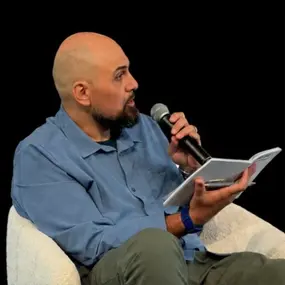
Jacob Kantor is a nationally recognized K–12 EdTech advisor, connector, and founder of JK K12, where he helps education companies earn trust, access, and traction with district and state education leaders. Known across the ecosystem as Chief DODO (District Office Door Opener), Jacob specializes in translating innovative solutions into real-world district adoption through relationships, credibility, and execution.
With 18+ years across K–12 education, publishing, test prep, and EdTech sales and partnerships, Jacob has worked with organizations ranging from early-stage startups to national nonprofits and foundations. His work focuses on helping companies navigate complex district buying cycles, align with superintendent priorities, and move from pilot to scale—while staying grounded in equity, efficacy, and human impact.
Jacob serves on the boards of the ASU+GSV AI Summit and National AI Literacy Day, contributing to national conversations around responsible AI adoption, AI literacy, and the future of learning. He frequently speaks, moderates, and convenes candid conversations between district leaders, innovators, and policymakers at conferences and private leadership sessions across the country.
Based in Los Angeles, Jacob is a husband and father of two young boys. He believes the future of education—and education technology—will be shaped not by hype, but by trust, relationships, and a deep respect for the people doing the work inside schools.



