Why School Librarians Must Lead AI Literacy Policies in K-12
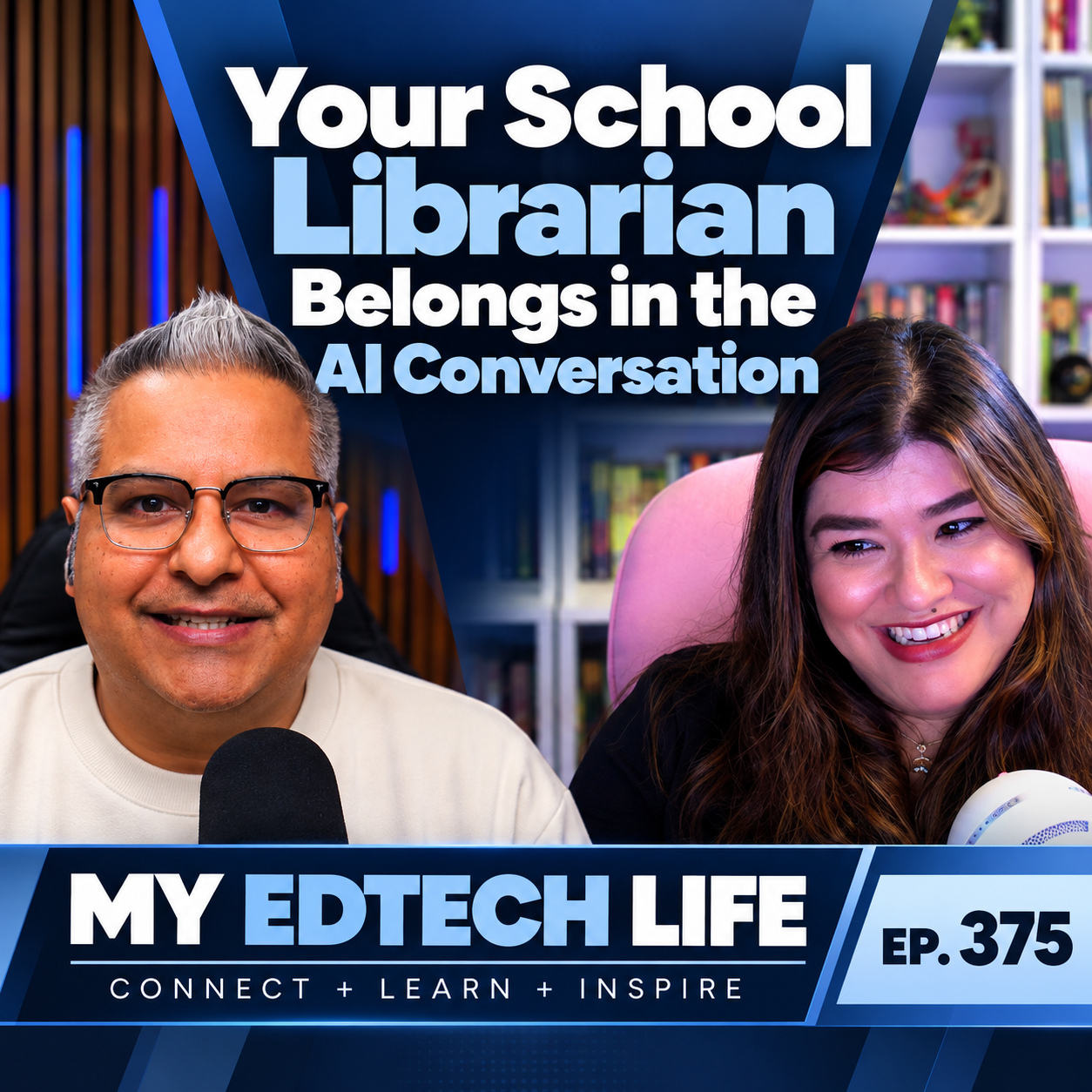
School librarians are uniquely positioned to lead artificial intelligence literacy initiatives rather than being relegated to support staff roles. By leveraging their core expertise in source evaluation, research frameworks, and information ethics, librarians can help school districts develop robust AI policies and practical curricula that teach students how to critically verify generative text and synthetic media.
Key Takeaways
- School librarians possess foundational expertise in information access, source verification, and media literacy that directly translates to generative AI challenges.
- Treating AI literacy as a separate, isolated week or checklist item fails; instead, verification habits must be embedded across existing library and classroom instruction.
- Librarians should have a direct seat at the administrative table when districts design AI policies, select tools, and plan professional development.
- The goal of AI literacy is not teaching students to completely distrust digital tools, but rather helping them develop healthy skepticism and the ability to determine what deserves their trust.
The Information Overload Crisis and the Modern Library
For decades, the primary challenge of the school library was helping students find information. In the era of the World Wide Web and traditional search engines, tracking down reliable sources required guidance, database navigation, and careful instruction. Today, students face the exact opposite problem: they are drowning in an ocean of information, where an answer, an essay, or a convincing image can be generated in mere seconds.
Generative AI tools dramatically lower the barrier to creating convincing, authoritative-sounding text and synthetic media. Because these outputs often look polished and grammatically correct, students frequently accept them at face value. However, an authoritative tone does not guarantee factual accuracy, and citations generated by AI tools can sometimes be completely fabricated. This reality transforms information literacy from a routine academic skill into an absolute emergency.
Shifting From Finding to Trusting Information
The core responsibility of the modern school librarian has never truly been about the physical books on the shelves; it has always been about how humans interact with information. Librarians teach students not just how to find facts, but how to evaluate them, make meaning from them, and use them ethically. In the age of generative AI, this means helping students shift their internal questions from simply asking "Can I find information about this?" to asking "Can I determine whether this information deserves my trust?"
This shift requires cultivating what educators call a healthy skepticism. Students must learn to pause, investigate who or what is behind a digital claim, trace quotations back to original studies, and compare information across multiple independent sources. By embedding these practices into daily library instruction, educators can counter the fast-paced, reaction-driven nature of modern digital media.
Elevating Librarians Beyond Support Staff
Too often in K-12 education, school librarians are viewed merely as support staff rather than instructional partners and leaders. This misconception severely limits a school's ability to navigate technological change. When districts draft artificial intelligence policies or evaluate new edtech tools, the library media specialist is frequently left out of the conversation, with implementation left entirely to IT departments or instructional coaches.
This oversight is a missed opportunity. Because librarians are already deeply versed in copyright, digital citizenship, research inquiry, and ethical information use, they are the most qualified professionals on a campus to lead conversations around AI ethics and policy. Giving librarians a seat at the leadership table ensures that AI integration focuses on critical thinking and academic integrity rather than mere technical compliance.
Practical Integration Without Adding to the Plate
A frequent and entirely valid concern among educators and media specialists is burnout. Asking librarians to take on a brand-new set of responsibilities on top of an already overwhelming workload is unsustainable. The solution is not to create isolated "AI weeks" or squeeze separate technology units into an already packed school calendar.
Instead, AI literacy must be seamlessly woven into existing curricula and standards, such as American Association of School Librarians (AASL) standards and ISTE standards. When students research historical events, librarians can introduce lessons on AI-generated search summaries. When students evaluate online media, librarians can introduce discussions around synthetic images and deepfakes. By applying traditional professional standards to a new information landscape, librarians can lead AI literacy effectively without reinventing their entire professional identity.
Conclusion and Next Steps
As artificial intelligence continues to reshape the educational landscape, our approach to teaching students how to think critically must evolve. School librarians are uniquely equipped to lead this charge, bridging the gap between technological innovation and timeless information literacy skills. To dive deeper into how school libraries are adapting to emerging technologies and protecting student critical thinking, listen to the full episode of My EdTech Life.
Frequently Asked Questions
Why are school librarians well-suited to lead AI literacy initiatives?
School librarians are experts in information access, source evaluation, research methodology, and digital ethics. Because generative AI presents fundamentally an information verification problem rather than just a machine learning problem, librarians already possess the core skill set needed to teach students how to critically evaluate AI-generated content.
How can schools integrate AI literacy without overwhelming librarians and teachers?
Rather than treating AI literacy as a separate subject or adding isolated compliance weeks to the calendar, educators should embed AI verification, citation ethics, and source evaluation directly into existing research assignments, digital citizenship lessons, and media projects.
What is the difference between information literacy and AI literacy in the modern library?
Information literacy traditionally focused on helping students navigate human-created sources across the internet and databases. AI literacy builds upon those exact same foundational evaluation skills, adding new layers focused on recognizing synthetic media, identifying AI-generated search summaries, understanding algorithmic bias, and verifying machine-generated claims.
Should school librarians be involved in district AI policy decisions?
Yes. Because librarians understand how students search for, consume, and apply information, they provide invaluable insights into AI tool selection, data privacy, and ethical guidelines, making them essential participants in administrative policy discussions.

Dr. Alfonso Mendoza Jr., EdD. Educator, host of My EdTech Life (360+ episodes), and a cautious advocate for pedagogy-first EdTech. Doctoral research on AI in education. Google Innovator (VIA20), Adobe Education Innovator, EdTech Digest Top 100 Influencer. 8,500+ educators trained. Servant leader at heart. Blessings.
Stay Techie ✌🏼
Why Digital Natives Need Emotional Intelligence, Not Just Chromebooks


 Goodpods
  Amazon Music
  Pandora
