

 Spotify

 Apple Podcasts

 RSS Feed
 Goodpods
 Amazon Music
 Pandora
Why Hands-On Learning Matters More in the Age of AI
Dr. Jennifer Berry from SmartLab, which builds turnkey, hands-on STEM labs and career-connected curriculum for school districts. A former professional dancer who has spent decades in education, Dr. Berry defines STEM identity in a way that reaches far beyond science and math: I belong, I can master rigorous challenges, and my ideas add value.


Key Takeaways
- Project-based learning is no longer a luxury in education; it has become a necessity in the age of AI to ensure students develop critical thinking and collaboration skills.
- SmartLab defines STEM identity beyond traditional science and math by focusing on three core pillars: I belong, I can master rigorous challenges, and my ideas add value.
- AI can easily generate answers and industrial-era tasks, making hands-on learning essential for fostering human communication, discernment, and durable skills.
- Turning environments like dedicated STEM labs and flex models empower teachers to act as facilitators of learning rather than simply being the sage on the stage.
- Connecting students with real-world community and industry mentors during hands-on activities helps them visualize future career possibilities and boosts self-confidence.
Project-based learning in the age of AI is no longer a luxury. It's a necessity. Dr. Jennifer Berry of SmartLab explains why.
In Episode 379 of My EdTech Life, I welcome Dr. Jennifer Berry from SmartLab, which builds turnkey, hands-on STEM labs and career-connected curriculum for school districts. A former professional dancer who has spent decades in education, Dr. Berry defines STEM identity in a way that reaches far beyond science and math: I belong, I can master rigorous challenges, and my ideas add value.
We talk about why hands-on learning matters more now that AI can produce the answer, how students build communication, collaboration, and discernment by working through real problems together, and why the best teachers act as facilitators instead of the sage on the stage. Dr. Berry also shares the story of a shy student who opened up to an engineer during a STEM Identity Day, and why SmartLab measures its impact with pre and post assessments instead of relying on anecdotes.
What you'll learn:
- How SmartLab defines STEM identity and why it transfers to any career
- Why AI makes hands-on, project-based learning a necessity
- The difference between a dedicated STEM lab and a flex model that brings projects into every classroom
- How to bring local industry partners into your school
- Why durable skills like systems thinking and computational thinking matter alongside communication, collaboration, and critical thinking
- What makes a program more than "random acts of STEM"
Chapters:
0:00 Workforce readiness starts early
0:28 Welcome and thank you to our sponsors
1:24 Meet Dr. Jennifer Berry of SmartLab
2:25 How SmartLab defines STEM identity
3:58 A turnkey STEM ecosystem, from the room to the community
7:30 From professional dancer to STEM leader
10:08 Why hands-on learning is a necessity in the age of AI
12:22 Two models: the dedicated lab and the flex model
16:19 From marketing to the math classroom
18:24 The twins story: hands-on learning and language growth
21:50 STEM Identity Day and a shy student's breakthrough
27:39 Measuring real impact beyond the test
32:50 Durable skills students need in the age of AI
35:33 Facilitators, not the sage on the stage
38:38 Relationships bring back the joy of teaching
42:30 Not random acts of STEM: SmartLab's five components
48:59 How to connect with Dr. Berry
Connect with Dr. Jennifer Berry:
SmartLab: https://smartlablearning.com
Join the conversation: Where have you seen a hands-on project spark an aha moment for a student who usually stays quiet? Tell us in the comments.
Thank you to our sponsors: Comeback Coffee
Subscribe for more conversations with educators and edtech leaders: https://www.youtube.com/@MyEdTechLife
Get the newsletter: https://www.myedtech.life/subscribe/
Explore all episodes: https://www.myedtech.life/
Become a show sponsor: https://www.myedtech.life/contact/
Connect with me:
X: https://x.com/MyEdTechLife
LinkedIn: https://www.linkedin.com/in/amendoza1381/
Instagram: https://www.instagram.com/myedtechlife/
TikTok: https://www.tiktok.com/@myedtechlife
Stay Techie
Thank you for watching or listening to our show!
Until Next Time, Stay Techie!
-Fonz
🎙️ Love our content? Sponsor MyEdTechLife Podcast and connect with our passionate edtech audience! Reach out to me at myedtechlife@gmail.com. ✨
Frequently Asked Questions
What is SmartLab?
SmartLab builds turnkey, hands-on STEM labs, customized learning environments, and career-connected curricula for school districts to foster student STEM identity.
How does SmartLab define STEM identity?
SmartLab defines STEM identity around three transferable concepts: believing you belong, knowing you can master rigorous challenges, and recognizing that your ideas add value.
Why is hands-on learning necessary in the age of AI?
Because AI can instantly produce answers and handle repetitive tasks, hands-on learning is required to force students to collaborate, communicate, and develop critical problem-solving skills.
What is the difference between the lab room model and the flex model?
The lab room model places students in a dedicated space for hands-on project-based learning, while the flex model allows teachers to pull STEM equipment and curriculum directly into their regular classrooms.
00:00 - Why Workforce Readiness Starts Young
01:40 - Meet Smart Lab And STEM Identity
05:21 - Aha Moments Through Productive Struggle
10:13 - AI Raises The Stakes For PBL
12:22 - Two Models: Lab Room And Flex
15:19 - A Classroom Story Of Belonging
21:47 - Community Mentors Spark New Futures
30:28 - Durable Skills And The Facilitator Mindset
38:38 - Project-Based Learning Beyond STEM Class
41:40 - What Makes Smart Lab Turnkey
51:14 - How To Connect And Next Steps
Why Workforce Readiness Starts Young
Dr. Alfonso Mendoza
The workforce readiness starts at such a young age. If we give them an opportunity, not that necessarily, like in kindergarten, they're gonna have to decide what it is that they want to be when they grow up, but that they're learning those skills along the way. Yes. And that to me is so important. I love the way that you describe that, you know, because that is what Smart Labs is bringing into the classrooms, bringing in those skills, sparking that curiosity. Hello, everybody, and welcome to another great episode of my ed tech life. Thank you so much for joining us on this wonderful day. And wherever it is that you're joining us from around the world, thank you as always for all of your support. As always, we appreciate all the likes, the shares, the follows. Thank you so much for engaging with our content. And I want to give a big shout out to our sponsors for believing in our mission. So I want to give a big shout out to Comeback Coffee. Thank you so much for always keeping us creative and caffeinated all at once. So thank you so much for that. And today I am excited. I have an amazing guest, and we're going to learn a lot of things, and especially because this is all new to me as well. And you know that when I bring somebody on, it's because we definitely want to amplify and share the work that they are doing because it's something that I feel should be known, and also to give more opportunities to be known as well and making those connections. So today I would love to welcome to the show Dr. Jennifer Barry, who is joining us from Smart Lab. So, Dr. Jennifer, how are you doing today?
Dr. Jennifer Berry
I'm so good. Thank you so much for having me. I'm I'm honored. I appreciate it. And I appreciate to all your listeners for listening.
Meet Smart Lab And STEM Identity
Dr. Alfonso Mendoza
Excellent. Well, thank you so much for being here. And I'm really excited to dive into this conversation. So, Dr. Barry, if you don't mind, can you give us a little brief introduction and tell us a little bit about what your context is within the education space?
Dr. Jennifer Berry
Yeah, absolutely. So you mentioned my name, Dr. Jennifer Berry. Um I've been in the education space for, oh gosh, a few decades. Maybe more, maybe more. Um, and I've done everything from nonprofit to for-profit to after school to supplemental education to in the school day to working with teachers to become more effective in their craft, to uh helping students with everything from, like I said, after school to social emotional to reading, writing, and math. Um, and now I've landed in this amazing organization called Smart Lab. And Smart Lab focuses on driving uh STEM identity for learners. And we define STEM identity, surprisingly enough, not in the context of STEM, but in the context of I belong, I add value, and I can master rigorous challenges. So we really define STEM identity as an identity that you can take and is transferable in any role. So it doesn't have to be very STEM focused, because as you and I both know, every industry and every career uses STEM applications. So we've defined it in a way that students come out on the other side feeling, I belong. I can master rigorous challenges and my ideas add value. And if you feel that in any industry and any career, you will be successful. And we do that through making sure that students get a lot of aha moments where they have these sudden realizations when they're working on a project. They have these sudden realizations, sometimes through failing, sometimes through working through others, where they have these moments of like, oh, that's why that didn't work. That's why that broke, that's why I couldn't get the answer that I needed, or that's why it did work. That's why I got the answer that I needed. So those sudden realizations where they have these aha moments. And we do that through hands-on project-based learning using STEM applications to drive uh uh projects that they can learn from, all aligned to industry pathways, all aligned to careers potentially that they could have in the future, or careers that don't even exist yet. So we do that through putting in school districts full STEM end-to-end turnkey uh ecosystems, everything from the furniture to a customized learning environment to the kits and equipment that we give the schools, to the curriculum that is all aligned to state standards and really aligned to industry pathways to professional development for the facilitators that are in the labs or the teachers that are bringing the STEM curricula into their classroom and support and partnership. And the partnership piece I'm really excited about because we believe that's what keeps this type of environment sustainable over time in a school environment so that the kids are constantly year-rear getting their STEM identity. And that partnership isn't just our partnership with schools, which we do do, but we bring the community into the schools. We bring industries around the schools that can talk to the students about their own STEM identity, how they maybe failed before they got to their career of choice, how they maybe discovered why they wanted to be in that industry. And so we really work hard to bring the community into the schools to really talk to the students about their own STEM identity. Um, and so that it we really surround the student, not just with the kits, not just with the curriculum, not just with the training for the facilitator, but also with the community so that it's not just the inside out and the school district and the school having to do it all themselves, but also the community outside in to support the learning for the
Aha Moments Through Productive Struggle
Dr. Jennifer Berry
student.
Dr. Alfonso Mendoza
That is fantastic. Uh, you definitely hit on a lot of talking points that I definitely want to go over, especially for someone like myself who uh is very passionate about STEM and being in the classroom and the hands-on learning. And really, I think you mentioned something that I really absolutely love, which is when you see a student just get those aha moments and being able to identify maybe an ability that they didn't know they had, because as you know, you know, during uh and I'm only speaking for myself, but in my experiences, you know, the school, the school year starts, there's a cadence, and it's like go, go, go, you gotta get through the curriculum by a certain point. And sometimes we feel very rushed that we may not have enough time to uh do some of these uh hands-on approaches and things of that sort. And and then we don't really get to give students that opportunity to, like we talked about, or like you just mentioned, getting those experiences, those aha moments, those things that they didn't know that they were able to do because they never had the opportunity. And I think that's something that's very powerful from what I remember being in the classroom, the students being able to have that hands-on approach, that collaboration, that uh communication skills, and of course those critical thinking skills that come with activities like this. And I love, like you mentioned, that you don't the way that you see STEM and the STEM identity is something that is great. And it really got me thinking about just the the approach to that. And, you know, I think that's fantastic. So I want to ask you. So for someone like myself who is not very familiar, maybe for a lot of my audience members that are just being very familiar with what Smart Lab is doing, you gave us kind of like that 30,000-foot view of what it does. But I want to ask, you know, during this time, you know, what is it that students are working on? What is it that the teachers are doing? And where where do we see that students are thriving once they get to see and that they're making their own decisions? So tell us a little bit about uh, you know, that experience.
Dr. Jennifer Berry
Yeah, I'll I'll I'll I'll pull it back a little bit because I think you said something that sparked uh a thought in my head. Um and it's in relation to how we we define STEM identity. I have a long, I can master rigorous challenges and my ideas add value. People ask me all the time. So I started as a professional dancer, um, then I was in the retail space for a year, then I jumped into the education space, which I've been now for the past couple of decades, as I mentioned earlier. But when people see me or hear about my background of a dancer, they say, What are you doing in STEM? Right? Like you weren't a doctor, you weren't an astronaut, you weren't a scientist, you weren't an engineer. What are you doing in STEM? You're a professional dancer. And I think about how we've defined STEM identity. I do believe I belong. I do believe I can master rigorous challenges because I have failed a lot in my career and in my life, and I've learned from that. I've taken a lot of learnings from the failures along the way, which has made me then more successful the next time I had to go about doing it. Um, and I really do believe I add value, right? Not always. Sometimes I get my own, you know, uh subconscious, like, okay, can I do that? Can I do that? But then I push through because I do believe in the end I do add value. So when I think about that definition definition and I walk back through my own sort of learning journey, I think about why I was a kid that couldn't sit still in class, right? I was constantly moving my chair. I needed to stand up and sit down, which is why my parents put me in dance at a young age, because they were like, we got to get this girl moving. Right. And I think about where I thrived in the classroom is when I was doing projects, when I could get out of my chair and move my body, when I could uh, you know, work with others to create something and to have each of us have a role in that creation, where maybe because I was the mover, I was like the storyteller and I could tell the story of what we created or what we were learning or how we got to the answer of some problem that we were working through. Um, maybe the other person was more analytical and they kind of got into the analytics of it and they were more quiet and they got into the analytics. But each of us added value in that, in that discussion, right? And now I'm watching it with my 11-year-old. I have an 11-year-old daughter. She just hit middle school. So she's in that sixth grade middle school change, right? From one teacher, one classroom to now she's going from class to class to class. And I'm watching how she's learning, I'm watching what she's studying, and I'm watching where she's getting excited. And every time she comes home, the classes that she remembers, the, the, the uh projects that she's really saying, this is where I'm learning something she's sharing with me is when they're doing hands-on projects in the classroom, hands down. And so I think about that journey, and I almost, and and I will tie it into AI
AI Raises The Stakes For PBL
Dr. Jennifer Berry
now. You know, education was built on the industrial revolution, where we were really training people to do things, right? To spit out information or to learn things in a pretty system or systematic way, right? And AI can do a lot of those things for us, right? Even now, with sixth grade math, common core math, my daughter's asking me how do you do this? The first thing I do is go to AI and ask it. And then I say, okay, great. Now I know, and I'm like looking over her shoulder and tutoring her and coaching her, not letting her use the AI, but I'm using the AI to help me help her learn, learn the problem. And so I think about that, and I almost think it's kind of a non-negotiable now to make sure we're we're embedding uh hands-on project-based learning into the classroom. Because if not, students on the other side, like when they graduate, are not going to collaborate. They're not gonna communicate with each other because AI can do all the things now. And so if we don't force ourselves to make them communicate, to make them collaborate, to really sit with a problem and critically think about how to get from point A to point B or what that prop that math process was to get to the answer. Um we are gonna have students on the other end that really are gonna struggle because the only thing they're gonna need know, need to know and do is just put a good prompt into AI and it's gonna spin out the answer on the other side. And we need students to be have really strong discernment. We need students to really be able to talk with each other and rattle around what is the real problem that we're trying to solve here, and then let AI maybe help them with that, scale it or whatever. But AI can't come up with the problem. They can't come up with the rigor of pushing through what maybe has already been done before, right? Because really AI is only pulling from all the things that have already been done before, right? So that kind of necessity to ensure that project hands-on project-based learning in a classroom or in a school district is kind of no longer a luxury, it's a necessity because otherwise we're going to raise kids that can't think and can't collaborate and can't communicate.
Two Models: Lab Room And Flex
Dr. Jennifer Berry
And so when you ask the question of like, what does Smart Lab do specifically in that environment? We do two things. One, we bring this turnkey lab that, like I said, we do everything from actually the customized learning environment so the kids can get up and sit down and move around a classroom to the kids and equipment and curriculum that's tied in to the professional development of the facilitator and to the partnership and support that I talked about earlier. We do that in maybe a closed room, if the school district's interested, if the school wants it, a closed room locked door where facilitators can be in there and really let the children play and do this hands-on project-based learning. That's one version of what we do. What we also do is what we call the flex model, which is how do you take that and embed it into the curriculum, embed it into a teacher's um uh process throughout their whole year. So they don't have to think about uh how do I get a hands-on project-based activity into what I already have to teach our students. So instead, they can pull from the curriculum, they can pull from the kids' equipment and layer it into what they already are teaching, and so that it just enhances the learning for that environment, an individual student and/or their classroom that they're trying to teach. So they can go through their curriculum and be able to pull things into and and and use the kids and equipment that are already in the lab, but pull it into their classroom rather than a student having to walk out of the classroom and go to the lab. So both exist. And the best, the best school districts do both. It's a yes and they have the lab where the kids can tinker and play and have some fun and you know, and maybe isn't directly connected to the curriculum, because that's also a really great way to learn. And also they will make sure that the teachers are walking into the lab, pulling what they need and putting it into their classroom so that they can actually enhance the learning for the students. And the labs that I walk into or the classrooms that I walk into, where the teachers are aligning the curriculum and pulling the content into the classroom, into their their day-to-day curriculum, are where the most aha moments are happening, where the most learning is happening, because the students are getting to see what the teacher was already designing to teach and already and masterful at teaching the students, but now getting to tinker and play and to try it on so that they can learn even at a deeper level, right? Because it's less about rigor now for a lot of a lot of these cases and more about going deep so that those concepts settle into the student's brain. Because in the end, AI will likely do the math formula for them in the future, right? They're gonna, it's gonna do the math formula. But we do need the kid to really understand how the math formula got there and really get to the depth of that so that then therefore they can be a really a good critical thinker and problem solver in the future.
A Classroom Story Of Belonging
Dr. Alfonso Mendoza
I love that. A lot to unpack there. But I know, but no, but but it's great though. It's great because you definitely hit on a lot of wonderful points that I I'll kind of try and break down just uh you know, as as we go through, because there's so many things that you said that I am behind you more than a thousand percent, if I can probably like infinity percent, because I have seen that myself.
Dr. Jennifer Berry
Oh, I like that infinity percent.
Dr. Alfonso Mendoza
Yes, infinity percent. I if that's such a thing, you heard it here first, TM, you know, but anyway, uh because I myself have seen it and I myself have experienced it. And I know that many times, you know, within different school districts, it it's people might be set in their ways, but when you do tend to think outside the box and in a very similar way, uh, like you, like you mentioned, you were a professional dancer, and then you got into education and came into the education field and have served in so many um different uh positions and seen so many things. I myself came from marketing and advertisement, and I came into education and I absolutely fell in love with it 20 years later. You know, here I am with a doctorate degree in education, which I always told myself I never want to be an educator. However, I absolutely fell in love with everything about it, but I I honestly want to say that that transition from, you know, the marketing and the sales experience, advertisement when I came into education really helped in the sense of getting to know my students very well, knowing that not every student was gonna buy algebra in the same way that I taught it. So I had to teach different ways to basically sell the subject to them in a way that they understand, you know, and so that really their brain works, because every student's brain works differently, exactly. Pro and that goes back to processing time, which is what I love that many times we don't talk about too much, or maybe when we do, it's just kind of like we gloss it over. But like you mentioned, not every student has uh needs well, every student may need different uh, you know, processing time. You know, not everybody's gonna be the first one to raise their hands, but because there are deeper thinkers, I myself consider myself just one of those that I you ask a question, I'm gonna sit there and I'm gonna really think about it because I'm playing all the scenarios in my mind that can happen as opposed to just being the first one to give the answer, because usually that's what gets rewarded. The first hand that goes up, it's like, okay, look, I'm gonna get rewarded, I'm gonna get the answer, or so on and so forth. But there's just something about being hands-on that to me, I feel is like an even playing field for everyone. Because I love that. Yes, because I have seen it, Dr. Barry. And and I know I've said this story many times on the podcast, but I think it's very relevant to what we're talking about. And I think I I definitely see this as that mission and vision that Smart Lab is doing in really truly uh helping each student feel that they belong. So here's my story, Dr. Barry, real quick. So we had a set of twins. My fifth grade, my fifth grade class, uh, when I was teaching fifth grade, we had a set of twins. One twin was in my pod, the other twin was in the other fifth grade pod. So they are coming in, they are emergent by emergent bilingual students, but you know, little, very little English. They're still, you know, learning, brand new to our district. And I was that teacher that checked out the Chromebooks for the whole year out of the library. We only had one two Chromebook cards, and I had one of them that lived in my room the whole year. But all of my I taught math, science, and social studies, but everything that I did as far as lessons were concerned involved a project. So you're either working independently or there were group projects. And the group projects were the ones that were just the best and amazing because you have many students that maybe never thought that they would ever be hanging out or be friends and so on. And now they're working together, they're getting to know each other, they're communicating, and they're they're creating a product that at the end they have to present. So I had this one one student, the the twin in my pod. She was always very quiet, very shy. She worked very well in a group, but she was just very shy and she never wanted to present at all whatsoever. However, her creations on the the Chromebook as far as slides and everything were some of the most beautiful and intricate, you know, presentations that I had ever seen. And I was like, she is showing me mastery, but also showing me the mastery that she has with technology involved. Well, we continued to practice, and as the the year went by, a lot of my class, a lot of my lessons involved self-reflection. So you had to either narrate a slide, tell me a little bit about what you learned, tell me what you might have found difficult. So they were practicing the language, proper uh content area language. At the end of the year, she told me, Mr. Mendoza, I want to present. She got up in front of the class, and everybody's jaws just dropped, and everybody just gave her a standing ovation because her language acquisition, her pronunciation, her fluency was just something amazing. What happened was the other sister, she was not able to exit the program, but the twin in mine was, and you know how that goes with parents and saying, hey, what's going on here? What happened from a sit and get pod to my pod that was very hands-on and with those communication skills. But going to that and making them feel like they belong, they were part of the whole group, they were all learning together, and that's where you have that collective aha moments that are amazing. And this is what I feel, this is what I feel that Smart Labs is doing with that. So I want to ask you in in your experience, and maybe you can mention uh you don't have to name a partnership school at all whatsoever, but is there a moment very similar to what I shared with you that to this day still resonates with you that you're like, oh my gosh, this is amazing.
Community Mentors Spark New Futures
Dr. Alfonso Mendoza
Like, I just got to tell the world about it.
Dr. Jennifer Berry
I mean, lots of them. I see them every day. Um, one that comes to mind that's recent um is we're in a district that has five of their elementary schools that That use have a smart lab. And I got to go in. We do what's called STEM identity days and we do it every November, which is um exciting because it's tagged on to National STEM Day, which is November 8th. So we usually tag on to that. We usually do ours on November 7th because it's a Friday, but also school schools do it whenever they want. They might do it on a parent-teacher night, or they might do it on their career day, or they might do it. So it doesn't have to be in November, but we label it November because it's connected to National STEM Day that's across, you know, the country. Actually, I think National STEM Day might be across the world at this point. Um so we were preparing to do, we're we are preparing to do um uh a STEM identity day for this whole school district. So there's five schools that are doing the STEM identity day. And what we do in STEM identity day is bring in partners from the community to come in and talk about their own STEM identity. I mentioned that earlier. And I can remember um and and this, and like I said, this this district is very invested in hands-on project-based learning. They have smart labs in every single one of their elementary schools. Um, now they're gonna move next year to get them into their middle schools and their high schools, which is also very exciting, but it's embedded into their elementary schools. And I remember going into the lab, and which I go periodically into these labs, um, it this particular um area periodically, because it's a big district of ours. So I like to, I like to go um see. But this particular one uh was really exciting because there was a young lady who was clearly very shy, and she was by herself on the floor show showcase playing with one of the robots. And there was speakers, the superintendent was talking, and the you know, principal was talking, and there was this woman that was there from an engineering firm. And I had this moment where I saw this little girl was tinkering with stuff. And I thought, you know, I'm gonna just walk over to this engineering woman and ask her, hey, do you want to come in and sitting on the floor with me? And I was a little nervous because I like to sit on the floor with the kids, but sometimes, you know, adults are like uncomfortable with sitting on the floor. Luckily, this young woman, she was a younger woman, was like, absolutely, I'll come sit on the floor. And we sat next to the girl that was kind of quiet by herself and tinkering with this little robot. And it was amazing to see that the little girl was like, wow, these two adults actually want to have a conversation with me. That was impressive to her because she had never, you know, first of all, she was shy. Also, she was probably like, What are we doing here? Why are all these people, big, big people talking about all this stuff? And she was sitting on the floor. And as the moments went on, both the engineer that was sitting with me and myself were working with her on like, what did you learn about this robot? Did you build this robot? What are you gonna do with this robot? What are ideas you have about this robot? And it was fascinating to see that the little girl light up and say, Well, what do you do? And the woman told her about her job and what she does to solve particular problems in her community as an engineer. And she was like, Well, what I could do with my robot is this that can help solve a problem. And even this adult engineer was like, I didn't even think of that, right? And she had this, it was just this very small micro moment of me getting aha moments, the engineer woman getting the aha moments, the student getting aha moments. And we were in sort of this synergistic moment between three women, you know, generations talking about what's possible. And I could see this little girl lighting up. A, these people care about me. They don't even know me, they care about me because they're on the floor with me talking to me about what I built and what I could build with it in the future and what what use cases could not just that I built it and how I got there, but what use cases it could have in the future. And then there was this moment of um, like you talked about with your woman that your young girl that all of a sudden wanted to present, that all of a sudden she just unleashed. I mean, she probably talked to us for 20 minutes straight and and didn't let us have a word in edge edgewise. So from a girl who was quiet by herself in the corner, and everybody was, every administrator was like, She's quiet, she doesn't talk much, to sitting on the floor with her and her just gushing for 20 minutes straight about all the things she was interested in, all the places she wanted to travel to, all the things that this robot could do, all the things of how it could connect to even this other woman's career and job and engineering world. It was just really fascinating to see how it isn't just about what the students learn, but it's it's also about how we surround them with people that care and give them a vision for what they could be in the future. And that to me was bigger than the learning. That to me was bigger than the big fanfare that was going on around us. It was that moment that that little girl saw herself in a job that maybe she could never see herself in prior to that moment, right? She now is talking about I could be an engineer one day. And that to me is really powerful because she maybe had never been surrounded by engineers before. She maybe never knew that she was tinkering with a robot and how that could connect to an engineer field. And that moment, you know, I I hope to look back in 10 years and see that that little girl is an engineer in real life. We'll see. I hope she is. But that moment and that um beyond the learning moment, I guess is what I'd call it. The beyond the learning learning moment to me was really powerful. And I feel like I see that in in places time and time again. I heard from an administrator recently that said that there was an afterschool program that was using Smart Lab that a student was in in one district, and they transferred to her district, who also has a Smart Lab. And the little girl was saying, Oh, I already built a prosthetic arm for this, for this other robot that I have. I want to now show the rest of the kids in the class how you can build prosthetic arms and why it's important to do that. And so she was transferring her learning from one place to another place and then sharing her knowledge. And to me, that's just so powerful because um, again, students can learn uh a lot in a classroom. And and educators have been teaching for years and getting students on the other side to pass the tests that they're, you know, required to pass and get through the curriculum that they're supposed to get through. But I think all of us as educators challenge, but what are they to what end? What are they really getting out of when they leave my classroom? Sure, I got a bunch of kids to get A's or B's or C's, right? Sure I got them to pass, sure they got X grades on the standardized test or X scores on the standardized test. But what are they gonna become? Right. Your best stories as an educator is thinking about that young lady that you saw blossom by the end of the school year, right? And be able to move on to her next, her next, uh, her next phase in her career, her academic career. That's the win for educators. The win is knowing that you've made an impact and that that student is gonna has been changed. That student has been changed, and not just because they learned something, but because they became something. They bel they have a different belief in themselves. And that's what I see time and time again in our smart labs. And really, to be honest and frank and frank with you, what I really push our product and develop team to think about when we're building our curriculum. Because all of our curriculum is lined to career pathways, but we consistently challenge ourselves and ask the educators and ask the school districts and ask the students, what did you gain from this? How are you seeing yourself different? We we we partner with you know outside assessors to assess students pre and post so that we can see, are we really getting the traction that we claim? Because we can claim a lot of things, but is it really working? Can we? I can tell a lot of anecdotal stories about that one student, but we want to get it, we want to make that impact for the majority of the students that come through our smart labs or that that teachers are using our smart lab curriculum in their classroom. So I think that sort of push to be better and think not just about how many more labs can we put across the country, but how much more impact can we make with each individual student through our curriculum and through our components that we sell at Smart Lab. That to me is where the rub hits the road for me as a leader of the organization. Because as a leader, I want to make sure that we're making sustainable and systemic change within students, not just putting more labs up across the country.
Durable Skills And The Facilitator Mindset
Dr. Alfonso Mendoza
Exactly. You know, that is a lot of wonderful things that I love to hear. And especially that moment that you shared also with the story, because it really led to a lot of the things that you followed up with. I mean, just that simple conversation also in empowering our students and then seeing themselves and saying, wow, like this conversation ties to this particular career. And like you mentioned, those career connections are very important. And I think what I'm hearing here, and that I love that I'm hearing, because again, just with my classroom experience and what you are letting me know here with Smart Lives is just the fact that you know the workforce readiness starts at such a young age. If we give them an opportunity, not that necessarily like in kindergarten, they're gonna have to decide what it is that they want to be when they grow up, but that they're learning those skills along those ways. And that to me is so important. And I love the way that you describe that, you know, because that is what Smart Labs is bringing into the classrooms, bringing in those skills, sparking that curiosity. And one thing that I absolutely love that you've mentioned several times that really hits is the community involvement. Now, for myself, you know, in my experience, every time I I would hear the word learning community, it's all like it just kind of made me cringe a bit because all it meant was superintendent down to teacher and student. Uh-huh. But what about the most important factor there too, which is the parent? If it wasn't for the parent, we wouldn't have students.
Dr. Jennifer Berry
Or the industries around that community.
Dr. Alfonso Mendoza
Exactly. And who else do we have around? And oftentimes we or the connection was never made there. And I think it was such so many missed opportunities in that. But I love that what you talked about here is being able to bring in who is close by, what industries are here, what is something that is growing, and how might we make that connection? And also so they can see the importance of the work that is being done at the school, and maybe also saying, hey, how might we be able to help support and invest in this future, you know, our future workers, you know, and uh and giving opportunities and continuing to grow our space here. But I that to me is yeah, I think it's necessary.
Dr. Jennifer Berry
Yeah, I think it's um it's necessary right now in the communities um that these businesses are in, right? I I personally, you personally have moved over to the education space the last couple of decades, and we I see it as my version of activism right now, right? When I look around the world and I look around the government and I'm like, oh, look, all these fighting people. Okay, what's my responsibility right now? My responsibility as a human is to make sure that my family and my daughter are becoming the best versions of ourselves, but also my responsibility is to the community at large. And to me, the the kids are where it's at. Because if we pour into our children, if we pour into the the youth, that's the next generation. That's the next generation. And they need to be empathetic, they need to be um uh resilient, they need to be um uh have these skills that we're talking about, all the the the the the the C's, right? All the communication, collaboration, critical thing, all those C's, but also they need to have deep, durable skills like computational thinking, systems thinking, right? We could name and and and on our website, there's like 15 uh durable skills that are beyond the C's, right? And those are so necessary right now, especially now with AI, because if you aren't a systems thinker, if you're not a computational thinker, you're gonna come out and not get a job because people are gonna say, How did you think from point A to point B? How do you use AI to serve you as a tool that you're leading, not it's leading you? And that is really key, I think, for students to really come out the other side of the other interesting thing about your story and and the story that I told was it it was less about us teaching them and more about letting them shine. And I think that's just a beautiful gift to give to young people. I watch it with my 11-year-old, like it actually brings tears in my eyes. Like they are so they have such beautiful, unfiltered ideas, and they know more than I think we give them credit for. And I think we as educators always want to teach, teach, teach, teach, teach, opposed to listen, listen, listen, listen, and layer in the teaching that can enhance their own abilities, right? And so that idea that you shared with your the twin story, you were just sort of the the catalyst for her to show her skills that she already had in her, right? That's what's beautiful. You you were the catalyst for that. You weren't teaching her how to build a PowerPoint, you were giving her the opportunity to show that she could build a PowerPoint and do it in such a beautiful, rich way. And so I think that the the future of education needs to be educators listening more and learning from our students versus teaching. Um, and that's why we actually call the facilitators and our smart lab facilitators, because we want to facilitate the learning so that sometimes it's okay to let the students fail because that's what has them go, oh, I didn't get that right. I need to figure that out, right? Opposed to just calling and telling and teaching and showing and correcting. And so that's why we call them facilitators, even though they're all, you know, beautiful teachers that have beautiful certifications. We want to make sure they feel like facilitators of the learning and we teach them how to like change their mindset to facilitate the learning versus uh be the stage on the stage.
Dr. Alfonso Mendoza
I love that. I love that you said that, you know, because to be honest with you, coming in and no teaching experience whatsoever, not even understanding what pedagogy was. And it was really like one of those things where it was from one day to the next, you know, jumping from industry into mathematics and then slowly. Yeah, and then slowly learning, having some great mentors, teaching me all of these things. But it it was always I I felt like the oddball because it was always for me that facilitator. I didn't know what that term was yet. All I knew is that this is what I'm doing. I am selling to my students, I want them to feel comfortable. They're not all gonna learn in the same way, but how can I sell it to them where they still learn the content?
Dr. Jennifer Berry
And it was And you were learning in the process, exactly.
Dr. Alfonso Mendoza
And I was learning from them because the more that I knew about them, the more I knew how to uh either simplify, adapt, uh, you know, improvise on the lessons so that they get, you know, the benefit of it and they learn it in a way that makes it easy for them too as well. And so it was just all about that. So when I changed my mindset, like you mentioned, from just being direct teacher, and and you know, there's a time and a place for that where the teachers in the front, but to actually change that mindset to be a facilitator and really just walk around and give them the opportunity and holding them accountable for the learning a little bit. They they they feel that struggle and they're raising their hands, and you know how they trick you, they just keep reading like I don't get it, I don't get it. And they want to frustrate you and they want to frustrate you, so you just give them the answers. But no, it's all like hey, it's part of that productive struggle and just allowing them to struggle, there was nothing wrong with that, and then just that it gave more to that learning. But I I think, like you mentioned, I think that mindset, that shift is very, very important. And and I love that you mentioned that in a term that I use from my great friend Kevin Doherty is uh calling them learning engineers, you know, and so that's what we that's another one that we use, like calling teachers, facilitator, learning engineers too. They're helping and engineer the learning and engineer the learning experience and all of that great stuff.
Project-Based Learning Beyond STEM Class
Dr. Alfonso Mendoza
But I love that.
Dr. Jennifer Berry
Well, that also that also ties in with this idea of it. Give most teachers that go into the teaching profession go in because they want to, you know, be a part of change for a student's life, right? They want to give them something that sparks something new in the student's learning journey, right? That's why most teachers go into teaching. And they soon quickly realize as they get into the classroom that, oh, I have to get through all this curriculum. I have to teach to the test, I have to make sure I get X amount of kids to pass, I have to deal with parent complaints, I have to deal with behavior management, right? Like all the things sort of get sucked out of their original reason for wanting to get into the classroom, which then takes away the joy of building relationships with our students, getting to know the students. And what I've seen in, you know, STEM environments is when you do this hands-on project-based learning, it takes a little bit of the pressure off of like all the criteria and instead gives you that moment to build relationship. And I'm watching it with my 11-year-old right now. She's got a social studies teacher. This is the first time she's had like history official, right? Because she before she was with one teacher in her fifth grade class, and now she's going from class to class to class. And her favorite class right now is her social studies class. And when I ask her why, it has nothing to do with social studies. It has to do with her teacher. It has to do with, you know, he's making her laugh, she's making him laugh. They have a relationship, they have a little bond. And guess what? When that homework comes, that's the first one she does. She wants, she wants to impress him, she wants to make sure that she's getting the learning in. She wants to make sure that she's, you know, hitting the criteria that he's put, you know, the rubric that he's put in place for the assignment that she just gave. He did this artifact thing where they had to pull uh an artifact from their family life and pull it together. So he created a project out of it where he's like, create a trifold based on this artifact that you found with your family, ask them a bunch of questions, put this artifact together, but put it in a trifold and add your artistic flavor to it to make it interesting. And she went to town on this assignment. And I can remember those days where you're like, oh, I just have to write an essay about this artifact and all the details, and I have to follow the props of da da-da-da-da-da. But he turned it into a project where she made it a trifold and she got to put her artistic flavor into it. And that just I know enhanced her learning in a way that not only because she has a relationship and she feels connected to this individual who's taken the time to get to know her, but also to the project. And I know she got deeper learning out of it because now she can't stop talking about that artifact. It can't stop talking about the learning she got out of it. And that was really exciting for me to see and very impressive. And that's that most people wouldn't see that as STEM. I see that as STEM, right? I see that as STEM because he created a pro hands-on project to deepen the learning. And I think that is a STEM application to deepen deepen the learning.
What Makes Smart Lab Turnkey
Dr. Alfonso Mendoza
And I love that.
Dr. Jennifer Berry
Yeah, I love that too.
Dr. Alfonso Mendoza
And you know, talking about that, it's like it's brutally that project-based learning too. And that's really what I loved, you know, and in doing those things. And you meant like the STEM environments. But now coming back to Smart Lab a little bit more, and just to give you a little bit of time also for our audience members, teachers, decision makers that might be listening and are already like, oh my gosh, I need to learn more. You know, for your learning programs, I do see that you do have the customized STEM environments and career-connected PBL PBL curriculum. Can you tell us a little bit about that? You know, some information so that you know our audience members can know a little bit more of what to look out for, what they can go ahead and share and really what to really look forward to when they reach out to Smart Lab and say, Hey, yeah, we're interested. Let us know more. Like we're all in.
Dr. Jennifer Berry
Yeah, yeah, yeah. I love that. So, what I'll say is there's many um really great STEM programs out there. We um like to say we're not random X STEM. Um, and many, many times um I put my daughter in summer school programs all the time that have or summer programs, summer camps that I would call a random accent of STEM. She gets a lot out of that week. Um, she learned some cool stuff, but it was random, right? Because it was one week. It wasn't embedded into her world um for for long, long periods of time. It was embedded in just for a week. And she gets a lot out of it. She loves it, you know. But what smart how Smart Lab is different is we talk about the five components of Smart Lab. And the five components you mentioned, career connected PBL curriculum is one of them. The the career the the the career connected PBL curriculum is all aligned to state standards, it's all connected to industry pathways, and it's all based on problems to solve in those industries. Um, and and it's problem-based. So it's um not just like linear in scope. It can move in many different directions. Now, our project hands-on project-based curriculum has to be tied because we're STEM environment, to kits and equipment. So there's actual kits and equipment there attached to it. So it isn't just like digital, it's in a digital format, but digital curriculum that you can just like go on and and and use at your fingertips. You also get with it all of the kits and equipment so that it's all connected and it's all aligned and integrated together, which is really exciting. Um, and that that hands-on tools and equipment, I think, is what takes it out of screen time in front of a screen and moves it into hands-on projects, right? So the screen time is the facility, the tool to learn, the learn whatever you're learning about that industry or about the problem. But then you get quickly up and out of your seat and get to use the kits and equipment in a hands-on way. So though that's the second one. But you can't do that without an amazing environment that is conducive to the learning, right? So that environment is really important because if you're just sitting at desks, how do you get up? How do you work with others? How do you collaborate? So we really curate and customize for the school district how to create an environment, whether it's just consultative and how to create your environment that you already have, or it's actually we can give you the customized learning environment so that it is conducive to this kind of learning. That's the third one. So the environment is really important that the students are in because the place matters and the way in which students learn matters. Then the hands-on project-based learning and the hands-on project-based tools are connected, matters. Well, you and I all know that the keystone species in any classroom is the facilitator. That's the keystone species because you could have a bunch of really cool kits and equipment on a shelf. You could have some really cool curriculum in a computer. But unless you have that amazing facilitator to help students with productive struggle, to help students use the STEM applications in a way that can help them solve problems, to set up the problem in that industry so that the kids get excited and want to solve that problem by using some of this equipment. So we not only give them foundational training on how to use our kids and equipment, how to use our curriculum, but we also teach them like how to get productive struggle, how to have the students get those aha moments, where to be the stage on the stage and teach and where to pull back. So we not just, we not only just give them like the basic foundations training, but we also coach them along the way. Um, and we add extend trainings on over time so that that facilitator can up level their craft and with badges and become become even more of a STEM leader in their space, whether they're a real STEM teacher or they're embedding it into their classroom. So they themselves get their own aha moments and can build their skill. So that's really important to us too, that we certify our facilitators and then we give them ongoing training over time and then a community across the country. So every facilitator has a place that they can go and ask questions to other teachers that are using the Smart Lab across the country because they might be the only one in their district that's doing this. And as you know, if you're the only one in your classroom or the only one in your district, there's not a lot of people that you can bat stuff around with or ask, how did you get your students to use this? Or how can I uplevel this idea? I tried it this year, it didn't quite work. I want to do something different next year. So we've got a whole community of STEM facilitators across the country that at any given time a facilitator can reach out to, form small working groups, find work with small groups, or just ask a quick question and get an answer from a peer, which I think is really exciting for many people. And we see our facilitators love this part of our program because they themselves sometimes feel like they're alone. But when they can reach across from California to New York and ask a question to a facilitator, another co-facilitator that's doing the work in their classroom, they get so many aha moments themselves that they can bring back into their classroom. So that's the other one. And then I talked about the support and partnership piece that we bring help the school district and the facilitators bring the outside community in. Because if we just told you, go get people in your industry and bring them in your classroom, you're like, I don't have time for that. I don't have time to go find an industry and go knock on their door and ask them to come volunteer in my school or give us resources or to pay or come into my STEM identity day. I don't have time for that. So we help with that. If you're interested in bringing the district that does the outside community into your classroom and you're in a smart lab, we will come in and say, great, we will go scour the industries around your neighborhood. We will bring them in and help have them help not only volunteer but bring resources to you so that you can add the new 3D printer or you can get the new drone set or you can layer on curriculum, you know, for your K tier because you only have three, five. So we really make sure that we help get the community in to help support the lab. Um, so really when you think of Smart Lab, we're turnkey STEM lab. We're not random acts of STEM. We're gonna come in and embed ourselves through the through the environment, through the kits and equipment, through the curriculum, through the facilitator and ongoing training in the facilitator and from the community. So we're like the whole one-stop shot.
Dr. Alfonso Mendoza
I love that. Well, thank you so much for sharing that. And we're definitely gonna post all the information there in our show notes. So we got smartlablearning.com. Now, Dr. Jennifer, also, if there's our audience that's listening to us and is very intrigued, I know that they can go to the website, but what if they might want to get a hold of you? Is are you available on social media? Anything you'd love to share?
Dr. Jennifer Berry
Find yeah, find me on LinkedIn, Dr. Jennifer Berry. I love when people reach out and just want to learn more and or get into a think tank with me because I want to always learn. I'm I'm one of those people that I want to learn what school districts need so that we can go back and say, all right, curriculum team, let's figure out how to build that for them, right? Okay, team, how can we uh meet the the districts where they're at? That's really important to me. So, yes, absolutely. I want to make sure that people reach out to me and feel feel free to reach out to me. I have an open door, not only to talk and share my wisdom, but also to learn for what school districts and teachers need in order to make our product better for everybody.
Dr. Alfonso Mendoza
I love that. Well, Dr. Barry, it has been an honor and a pleasure to have you here and just to hear your passion and hear just your love for the work that you are doing and myself also just learning more about what Smart Lab is doing and just really standing behind it a thousand percent, or actually say infinity percent.
Dr. Jennifer Berry
Infinity percent.
Dr. Alfonso Mendoza
Absolutely, because I love, I love what it is that you're doing. And like you said, it's just it's turkey, it's there, you are there to help support. But most importantly for me, it's just the the benefit that the students get from it, how it is that they can continue to grow, how it is that they can have those aha moments, and how they're learning those workforce-ready skills at such an early age that are transferable from year to year to year. And I'm sure that you probably have countless stories of you know, uh students that have gone through the Smart Lab uh uh program and just, you know, are thankful because of the opportunities that they got and the capabilities and abilities that they found themselves, maybe that they didn't know they had, but that were brought out because of this wonderful experience. So continue doing this amazing work. Thank you. It is fantastic.
How To Connect And Next Steps
Dr. Alfonso Mendoza
And to all our audience members, please make sure that you visit smartlablearning.com. We will definitely post that link in the show notes. We'll also post Dr. Barry's uh contact info for LinkedIn so that way you can click through in the show notes as well. And please don't forget to visit our website so you can check out the other 378 wonderful episodes that you can go ahead and check out where I promise you you will find some knowledge nuggets just like the ones that were dropped today that you can sprinkle into what you are already doing great. And as always, thank you for all of your supports, for all of your support and to our amazing sponsors. We really appreciate you believing in our mission so we can continue to help our education space continue to grow, not only professionally, but personally. So, my friends, until next time, don't forget, stay tacky.
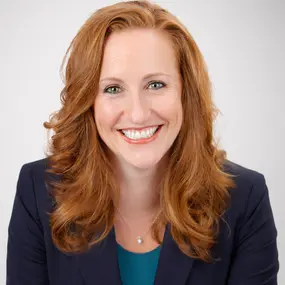
CEO at SmartLab
Dr. Jennifer Berry is a distinguished leader with nearly 30 years of management experience, specializing in strategic planning, human resources, talent development, capacity building, business development, financial management, and operations. As the CEO of SmartLab, she is dedicated to bridging the gap between today’s classrooms and tomorrow’s workforce. Her extensive background in K-12 education underscores her commitment to transforming the lives of future generations through innovative, career-focused STEM education solutions.



