Spotify
 Apple Podcasts
 RSS Feed
  Goodpods
  Amazon Music
  Pandora
 AI Can't Steal Your Voice | My EdTech Life 370
Can AI take away a student's voice or help protect it? In this episode of My EdTech Life, host Dr. Alfonso Mendoza, a top voice in the ed tech space, sits down with virtual education leaders Larisa Black and LaKeshia Brooks to dig into artificial intelligence in education, digital literacy, virtual teaching, and the growing backlash against ed tech in K-12 schools.


Key Takeaways
- Virtual educators Larissa Black and LaKeshia Brooks emphasize that ed tech tool selection in K-12 education should always prioritize accessibility and student accommodations above all else.
- Generative artificial intelligence in virtual classrooms functions best as a collaborative thought partner rather than a replacement for critical thinking and independent problem-solving.
- Authentic, process-based assessments—such as asking students to explain their thinking or utilizing version history tools—help educators evaluate true student understanding in the AI era.
- Lumping every educational technology tool into today's broad AI backlash narrative risks stripping away essential learning accommodations and support systems for vulnerable students.
- Teacher training and digital literacy must precede student AI training to ensure educators understand guardrails, hallucinations, and ethical tool integration before introducing them to the classroom.
Can AI take away a student's voice or help protect it? In this episode of My EdTech Life, host Dr. Alfonso Mendoza, a top voice in the ed tech space, sits down with virtual education leaders Larisa Black and LaKeshia Brooks to dig into artificial intelligence in education, digital literacy, virtual teaching, and the growing backlash against ed tech in K-12 schools.
With a combined 34 years in education, Larisa and LaKeshia share their personal journeys from classroom teachers to virtual education leaders, and how their approach to generative AI shifted from early excitement to grounded, cautious advocacy. This conversation covers what actually matters when selecting AI and ed tech tools (accessibility and accommodations first), how to assess student work honestly in a virtual classroom, why authentic assessment beats AI-generated worksheets, and why lumping every ed tech tool into today's "AI backlash" narrative puts students who need accommodations at risk.
If you're an educator, instructional coach, virtual school leader, or ed tech decision-maker trying to navigate AI adoption, digital citizenship, and screen-time policy debates in 2026, this episode is packed with practical, classroom-tested insight.
What You'll Learn:
1. How virtual teachers moved from "move fast, break things" to cautious AI advocacy
2. Why accessibility and accommodations should drive ed tech tool selection
3. How to talk with students about AI use without a power struggle
4. Why authentic, process-based assessment matters more in the AI era
5. The risk of lumping every ed tech tool into the AI backlash narrative
6. What personalized AI tutoring could mean for educational equity
7. Why teacher training must come before student AI training
8. The future of virtual schooling in an AI-driven education landscape
Chapters:
00:00 Introduction to the Conversation
02:59 The Role of AI in Education
05:57 Personal Journeys in Virtual Teaching
09:05 Mindset Shifts in Using Generative AI
12:00 Digital Literacy and Student Engagement
14:51 Navigating EdTech Backlash
17:50 Selecting Effective EdTech Tools
20:56 Assessing Student Work in a Virtual Environment
23:41 Empowering Student Voices
26:46 Future of EdTech and Student Learning
30:54 Navigating AI in Virtual Education
36:21 The Role of Educators in AI Adoption
41:26 Reflections on AI Integration
41:55 Future of Virtual Schooling and AI
47:49 Connecting with Educators and Resources
50:28 Edu Kryptonite and Growth Mindset
53:13 Kindness and Perspective in Education
Connect with our guests:
LaKeshia Brooks — @msmathminded (TikTok)
Larisa Black — @TeachWiseAI (TikTok)
A huge thank you to our sponsors who make this show possible:
☕ Comeback Coffee
📖 Book Creator-Use code MYEDTECHLIFE for premium access.
Love the show? Support us and get exclusive perks: https://buymeacoffee.com/myedtechlife/membership
Interested in sponsoring My EdTech Life? Reach out — we'd love to partner with you.
Stay Techie ✌🏼
Thank you for watching or listening to our show!
Until Next Time, Stay Techie!
-Fonz
🎙️ Love our content? Sponsor MyEdTechLife Podcast and connect with our passionate edtech audience! Reach out to me at myedtechlife@gmail.com. ✨
Frequently Asked Questions
How do virtual teachers handle AI in virtual education?
Virtual educators navigate artificial intelligence by shifting away from the initial honeymoon phase toward cautious advocacy, teaching digital literacy, and using AI as a supplemental thought partner rather than a shortcut for coursework.
What are the best ways to assess student work in virtual classrooms with AI?
Educators combat AI-generated cheating by implementing authentic assessments, utilizing document version histories to track student writing processes, and having students visually record themselves explaining their problem-solving steps.
Why is accessibility important when selecting ed tech tools?
Accessibility ensures that students with diverse learning needs, including those requiring accommodations or hard-of-hearing supports, can fully engage with digital learning platforms without being left behind.
00:00 - Welcome And Guest Introductions
04:30 - From Air Force To Virtual Math
07:40 - Ten Years Online Teaching Science
10:45 - The AI Honeymoon Then The Pause
15:10 - Digital Literacy And Citizen Skills
19:05 - Screen Time Backlash And Virtual Schools
22:40 - Choosing Tools That Actually Support Learners
29:10 - Assessing Learning When AI Exists
37:10 - AI In Virtual Vs Brick And Mortar
41:30 - What We Wish We Knew Earlier
45:25 - The Future Of Tutoring And Teacher Value
49:55 - Where To Find Them And Join Lives
52:10 - Speed Round Kryptonite Billboards Trades
57:35 - Final Thanks Sponsors And Closing
Welcome And Guest Introductions
Dr. Alfonso Mendoza
Hello, everybody, and welcome to another great episode of My Ed Tech Life. Thank you so much for joining us on this wonderful day. And wherever it is that you're joining us from around the world, thank you as always for all of your support. As you know, we appreciate all the likes, the shares, the follows. Thank you so much for just uh engaging with our content and obviously for all the great feedback and all the love. As you know, we do what we do for you to bring you some amazing conversations with amazing educators. And I definitely want to give a big shout out to our sponsors that really help us bring these conversations to life. And I definitely want to give a big shout out to Comeback Coffee. Thank you so much, Comeback Coffee, for keeping me caffeinated and creative at the same time to continue to do these wonderful shows. Big shout out to Book Creator, big shout out to Eduaid and Peelback Education. Thank you for your support. And today we have a wonderful, wonderful show. I just want to let you know that I have been following these wonderful women uh for a while. And every once in a while I land during their lives and they have such great conversations, having some wonderful points that they're sharing about education, about AI in education. And as you know, for our show, it's very important that we amplify voices, we amplify the work that is being done. And so today I am honored to have Larissa Black and Lakeisha Brooks on the show. Ladies, how are you doing this evening? Wonderful. Thank you for having me.
Larissa Black
I didn't know who was to talk first. I am we're so excited to be here.
Dr. Alfonso Mendoza
Excellent. Well, no, I and I know you are because I am very equally excited because, like uh, I was talking to Lakeisha uh, you know, earlier, and I was saying, you know what, it's just amazing how you two have started, you know, doing having these conversations on TikTok and really trying to bring, you know, conversations to the community, sharing your experiences. And I love the you know how well you do uh your conversations, the back and forth and uh, you know, different perspectives. And that's what I love. I mean, just hearing the people that are using it, the educators that are out there, and I think that's something that is very important, as you know that, you know, with the ed tech backlash right now and generative AI being booed at many commencement speeches and so on, there's a huge divide between the no, I don't want to use it at all whatsoever, AI is bad, but then we do see that positive side. And I've always said, hey, I like to be in the middle, you know, and just kind of hear both sides, but also to bring those voices together and see where it is that we might be able to meet. So I'm excited to have you both here and hear your perspective. So I'll start off with Lakeisha. Lakeisha, can you give us a little brief introduction and what your context is within the education space?
LaKeshia Brooks
Well, once again, my name is Lakeisha Brooks. I am a virtual teacher in Wichita, Kansas. This is my 17th year of teaching um math. Um, I come from a completely different background. I was in the Air Force before I transitioned to teaching. And so just bringing that kind of mindset, like you know, you can do it, you know, always thinking of, you know, creating opportunities for students to be successful. Um, I started virtual teaching during the pandemic. And so once that started, I saw, you know, so many creators online just, you know, you can do this and you can do this. And they really empowered me to just begin looking at ed tech as a form of engagement for kids. And so I was just like, I, you know, kind of hit the ground running. And so I am a huge advocate of using AI, you know, in my classroom and just really teaching different tools to teachers because a lot
From Air Force To Virtual Math
LaKeshia Brooks
of times they don't even know where to start. And like you said, there's a great divide of who wants to use it and who's like is just absolutely not um a part of my lesson planning, but just looking forward. And I think that's what brought me and Larissa together is that it is something that if we want to see that engagement, that connection with kids that they need to be successful, we've got to start.
Dr. Alfonso Mendoza
Oh, I love it. And thank you so much for sharing that background and you know, especially being virtual teachers. Oh my goodness, you know. Talk about, I mean, the the huge difference between having them in front of you and being able to read a room and make adjustments and how much more difficult that may be on that virtual side of it. So that's definitely something that we'll talk about because it blends in well with obviously the conversation around ed tech. Now, Larissa, can you tell us a little bit about yourself and what your context is in the education space?
Larissa Black
Sure. So I have also been in education for 17 years, and um, I originally got my degree in biology, so I wasn't going to be a teacher, but there's teachers in my family, and I just kind of fell into it, loved it, and was like, you know what, I'll go back for my master's, get my master's in science education. So did that, and um, I've actually been teaching virtually for the last 10 years. So before it was cool with COVID, not that it was ever cool, but you know, that before it was one of those things that everyone had had to do at some point, um, there weren't many resources back then, honestly. Uh, I started, and I thought to myself, how how am I going to do this? Right. And so then we had someone come in and talk to us about EdTech like two years into it. And this was, you know, there was Kahoot, you know, Kahoot had been around for a little while, and there were a couple other things. Um, Ed Puzzle was one that just like I loved, and I have to shout out Manny and Ed Puzzle for actually connecting me and Lakeisha. So there's he these are two online teachers. We don't get many of those anymore, you know? And so he was the one that actually brought us together. And then I started following her. She started following me on social media, and we said, you know what, we need to start having these conversations live. And so we went out of our comfort zone, very much out of our comfort zone, and tried something new because we we've been posting to TikTok, but it's never gone live. So I'm like, there's nobody else better to do it with than Lakeisha. She is so supportive, and we just were like back and forth, like laughing about how there were little things that that were different than going on Zoom, you know? Um, so I have been uh teaching online earth science, uh, all the different sciences, physical science, all that for about nine years. But this last year was my first year without students. I, well, actually, all of the students were my students this year because I was the technology and innovation coordinator. So I was helping the teachers to use the ed tech tools, which are so important in the online world, because that's where we get a lot of our engagement.
Dr. Alfonso Mendoza
Yes, very interesting. You know, I but what I love is just your background and how you were able to connect. You have similar backgrounds, obviously, with virtual teaching, now serving in
Ten Years Online Teaching Science
Dr. Alfonso Mendoza
you know different capacities, but still helping virtual teachers and working with students. Like you said, Larissa, although you may not be, you know, working with students, you know, virtually, but you are affecting in a positive way, you know, with ed tech and having that engagement. And I think that's something that is so important. And so this is great in hearing from virtual teachers and hearing their thoughts too about AI and AI in education. So we'll start off with you, Larissa, just because uh of the change, because what when I got to know you uh and connect, you know, connecting and seeing, you know, the Edge Guardians and connecting with everybody and such a wonderful group. I mean, you were posting consistently, you were sharing, you were amplifying your voice and sharing your experiences there. And now that you're here in a new role, I want to ask you from the time that you really started using the tools, the generative AI tools with your students till now that you are serving in the capacity of um helping teachers use the tools. Have there been any, you know, mindset shifts from the very beginning of maybe just like, hey, let's move fast, break things to, whoa, let's kind of slow things down and and see, you know, be more methodical about things. So, you know, tell me a little bit about that experience.
Larissa Black
Yeah. So it has been an interesting journey. It's kind of like that curve that happens where you're so excited about something new, and I'm like, oh my God, all the things we could do with this. And I just, you know, got going on how great it could be in so many ways, thinking about the positives. And then I as I'm researching and doing more and you know, like just hearing from others, reading up on Substack and all these other things, I was like, oh, let me let me pause for a second because not all of it is great. I mean, there's bias, there's hallucinations, people are using generative AI for deep fakes, they're using it for bullying online, they're using it for scams. So, so part of me was thinking, okay, now we really need to not just be looking at how cool these tools are, because that's what got honestly, that's what got me into it to begin with, but we need to be looking at how to be more literate with them, how to be more fluent, to understand what's behind the curtain. You know what I mean? Like the Wizard of Oz, like not it's not necessarily what you think it is. And it's really important that our students really understand that. So that's that's where I really started to become passionate about it and thinking this is the future. Our students deserve to understand this technology because it is going to affect them for the rest of their lives.
Dr. Alfonso Mendoza
Absolutely. And we're starting to see that, you know, more and more so, you know, as far as what we see being put out, not only in academia, but in the news and obviously just that sentiment. And then right now, too, with so much talk with uh, you know, educational technology backlash, you know, reducing screen times, bills going up, like, you know, in Kansas, you know, saying like, hey, we want to limit screen time to like maybe 45 minutes
The AI Honeymoon Then The Pause
Dr. Alfonso Mendoza
per day and things of that sort. So a lot changes. However, your world is that a little that much, very much different than the brick and mortar world. So uh Lakeisha, I want to ask you, uh, first of all, also I want to know a little bit about your journey with generative AI from introduction to implementation till to now. What are some things that you feel you yourself have kind of changed? And, you know, as far as maybe was there a pause now? Is there a little bit more of that cautious advocacy? Run me through that because I just want to hear your experience.
LaKeshia Brooks
Yeah, actually, so as a teacher, I kind of was hearing what Larissa was saying. We start off when we're so excited about all these things that we're able to do. But when we start putting it in front of our students, it's like you almost have to have a change of heart. Not necessarily a change of heart, but you almost start thinking if I'm giving them access, do I really know everything that goes along with it? And so I started working with common sense education and started a digital literacy class at our school because I'm like, our kids are on their devices 24 hours a day, seven, you know, seven days a week. Their parents, you know, are probably like, you can't have a phone, but you know, we're giving them this device so they have access to all these things and they need to be digital citizens. They need to be literate, they need to know that there are things out there that will, you know, that will unfortunately will expose them to things they might not be ready for. And so as a teacher, I think when I kind of got past that honeymoon phase, maybe when you think about it and you're really excited, like your cahoot and your ed puzzle and your way ground, you're just doing all of these things and it's exciting, you're thinking about the long-term effects of being online and how it can affect our children. So I think it was probably two years ago. I was like, um, and so I had been virtual for four years, and I started looking a little bit deeper at as a teacher, how can I set my students up for success? Because for them, accessibility is key. They have to know what AI is, they have to know, you know, how to use it in a way that I always use that is a thought partner that is not going to take their cognitive, you know, ability away for them to be able to problem solve and to do all the things. So, what better way in a virtual setting is just to set them up from the time, you know, they come in in sixth grade and say, hey, here are all the lessons through, you know, common sense media, and you know, just go through it step by step and let them know the dangers, you know, about bullying and access and chat bots. And so I've just really had the autonomy within my space to kind of create those things for kids. And so it's not just for my kids, I think it's something that all students should have access to.
Dr. Alfonso Mendoza
Yes, absolutely. So I I want to ask because I know you said a couple of things here, you know, starting off with, you know, us even in the classroom, even before 2020, and then a little bit after 2020, we had to provide that engagement. We had to have those tools. So it wasn't just like, okay, here's the worksheet and so on. It's like you have to go through the lessons. Uh I feel like, you know, uh there's a lot of great tools that are out there, but what happens now, because of what we're seeing in the news, they all get lumped together. Like, hey, all of this, we're we we everything, you know, they're bad. They they may have a generative AI piece. It may be subtle, but it may not be anything major, not like a you know, a chat GPT or something that's just gonna create something for you out of nothing. But what happens is now that we're hearing all that tech backlash, it's like they're just lumping all of ed tech together. And like I was mentioning, you know, the the news and many states wanting to limit that screen time. But for you all to function as a virtual school, I want to know how that works. What is the sentiment? Because I haven't heard too much as far as a mention of virtual schools. It's just been more of the brick and mortar. So, Lakeisha, I want to start with you. What have you heard? Have there been any kind of regulations also uh kind of wanting to creep
Digital Literacy And Citizen Skills
Dr. Alfonso Mendoza
into the virtual schooling space as well?
LaKeshia Brooks
And you know, that's a great question. I was watching the news today and they were just sharing some of what you're saying. Like if ed tech become like if kids are using their devices, are they using it for something that can help them? If it's not, you know, them using it for something specifically for class, they shouldn't be using it at all. And I think right now we're just at the beginning of this. So, really, on my end, as a virtual teacher, I'm waiting to hear like what that's gonna look like for us. So I don't even have the answers at this point. I'm interested to see as they're having those conversations with the state school board, what that's gonna look like for the students of Kansas.
Dr. Alfonso Mendoza
Oh my goodness, yes. And how about you, Larissa? Have you heard anything, you know, uh, you know, or just anything from the news or any other schools, like have they mentioned anything as far as also being strict on limitations with virtual schools?
Larissa Black
As of right now, there's nothing in South Carolina that is saying, hey, we have to restrict, you know, certain amounts of um ed tech tools and things like that. However, I will have to say, as a school, we try to stick to the ones that we know work for us, that follow our pedagogy, that you know, we we don't want 12 different tools. We want like three or four that are not doing the exact same thing. So that's one thing that we have been talking a lot about because there are budget cuts. We are a charter school and a virtual charter school on top of that. So in South Carolina, they have cut the budget a lot this past year. So I I'm lucky that I am at a school where we're gonna cut other things before we ever cut teachers. So um that's that's one of the things I love about my school is that we know that even though we're virtual, it is the humans that is do that are doing the hard work, right? And those relationships are so important.
Dr. Alfonso Mendoza
Excellent. Now, Larissa, I'm gonna come back to you because you being in your new role and uh, you know, me serving in a role, I guess I would say it would be pretty similar to that prior um to getting into the ed tech space as a digital learning coordinator. I know budgets are huge and it's a big thing, and I know it's being a talk for the whole United States as far as budgets being a lot tighter. I want to ask you in your current role and working alongside, you know, your stakeholders, what are some of the things that you, through your level of experience, not only as a teacher, but now, you know, working with teachers and training them with ed tech tools, what are some of the look fors that, you know, and maybe some advice that you might be able to give somebody else that might be in your role or in a virtual school to select just the right type of tool to help your students and help your teachers?
Larissa Black
Yeah, that is a great question. And I think that we have to think about this constantly, right? And it could shift, you know, but one of the things I like to do when I'm looking at specifically AI tools, chatbots, things like that, is I try to break it. Like I'm like, hen, what would a student, a teenager, do to try to break this? How can I make it so that the guardrails are down so I can somehow get past those guardrails? Because you know that's what students are going to try to do, especially the tech savvy ones. They're gonna be like, let me see if I can get this thing to tell me something absolutely ridiculous. Um, so that's one thing that I do is I try to act like a student and and break the thing when it's uh AI related. Um, when it comes to other ed tech tools, I really want to see that, you know, they're engaging, of course, but I want to be able to get the data on my end. So make sure that it's not something that is just for fun. I mean, we want to use that data, formative assessment, to make
Screen Time Backlash And Virtual Schools
Larissa Black
decisions on what the students need to focus on next, you know, whether or not they need to get pulled to tier two instruction. I also am always looking for accommodations. Do they have accommodations built in? That's very important to me because we have students that need lots of different accommodations on all different levels. So I really want to make sure that whatever ed tech tool I'm choosing, it's not going to be an issue for a student who might be hard of hearing or something like that.
Dr. Alfonso Mendoza
Excellent. And those are all great points because I know accessibility is a big thing. And I know that for, you know, as far as making decisions, I I'm kind of taken back a little with some schools and school districts that I hear are really going to say, like, hey, you know what, we're not going to have a devices until just like sixth grade and up and so on. But then I'm thinking to myself, are they thinking about the students that do need accommodations that new de that do need additional supports? Why would we not offer them those, you know, those uh tools that they really need in order to impact their learning in a positive way? So I'm, you know, in hearing these conversations, it just kind of takes me back. So Lakeisha, I want to ask you, how about in in your experience, what is it that you are your main look for when you say, you know what, this is a tool that I know is not only going to be engaging, but it's also gonna enhance the student learning and also help the student, you know, for if they do have or need any additional support, you know, what what other advice can you give some of our listeners as to what to look out for?
LaKeshia Brooks
And so I feel like for us, we are a Microsoft Showcase School. I think she might have found it. And so a lot of the things that they have are can you hear me?
Dr. Alfonso Mendoza
Yes, we can hear you now. No worries. Yeah, just go ahead and start from there.
LaKeshia Brooks
Yeah, just go ahead and um accessibility based, having access to um that it will read for them, or that it provides SEO, or it um they have reading coach, math coach, just different things like that. So as far as the things that we can get that are on the internet or the different apps, there are so many. I think it's coming back to what Larissa said is that it has to have the accommodations that kids need, way ground, change like well, quizzes before they changed a lot of different things that they had for students. And so that's one of the things that we've started using within our building. So I've noticed that you can get the data from there, you can put things in there to help, you know, retrieve that information or give that formative assessment so that we know next steps and how we can support our students. So that's one that we've been using here recently, but a lot of things that we've used. um through Microsoft just using all the different tools that they have. And there's a lot even within, you know, their teams that can support what students need every day.
Dr. Alfonso Mendoza
Awesome. That's good to hear. Now, again, coming back to the the virtual space, because, you know, even in a brick and mortar there we are always concerned about obviously students offloading work to LLMs or, you know, things of that sort. But now in the virtual space where you can't have them in front of you to kind of read the room or kind of just see, you know,
Choosing Tools That Actually Support Learners
Dr. Alfonso Mendoza
a little bit, you know, that teacher intuition, that sixth sense that teachers have that they can tell when they're talking to a student, like, hey, you know, just want to make sure this is your work. I want to ask you, how has that been for you? And I'll start off with you, Lakeisha, and then we'll go with uh Larissa, but Lakeisha, what has been your experience? What how do you kind of just work through that with students?
LaKeshia Brooks
That's a great question. I'm still learning to work with students through that because as a math teacher, what is, you know, as how do I put it a lot of students, that is their their struggle. Like as soon you can give them a worksheet, the first thing they're gonna do is open that up and they're gonna be like, I have no idea what to do. So just teaching them that, hey, you might not have the answer, but what are some things that you can do? What are some resources that you can use right to help you? So just thinking of, and we talked about this in our last podcast that authentic assessment, like changing how we assess what they know. Because if we're just doing a worksheet, you know, you can upload that into any you know any AI model and then it'll spit out what you need. But how do kids know if it's even right? I think kids have to understand that it's still learning just like they are and they have to be willing to, you know, take some of that ownership like, okay, I understand this is there to help you, but ultimately I need for you guys to know what to do and not just take you know what you're getting your output as face value and that's it because it's not always correct either. So just having those conversations I think with kids and just letting them letting them know that I want them to be responsible. I want them to have the confidence to know what to do and if they use AI, that's fine. But it's not the be all end all I need for you to ask questions. I need you to be willing to you know just start over if it's not right to you know reach out if you need help. Just a lot of different things. And that's why I said I'm still learning even as a virtual teacher, you know, how can I help my students to connect with what they're doing instead of just saying I'll just get it from you know Chat GPT or wherever and then I'll just turn it in and I'll let that be my A for the day. And it's like oh that's not your A.
Dr. Alfonso Mendoza
That's somebody else's A, you know okay no but what I love that you mentioned was kind of just changing the way that we assess too as well as as opposed to you know I know in person you have a worksheet or a test on paper. You know, then that of course in for virtual it's a substitution of okay here's that same worksheet but now it's just digital but now it's like maybe even augmenting or even modifying now with the technology that we have instead of just like hey you know here's that worksheet where you know that they might be able to find answers uh through a different method or just even with their phone snapping a picture. But now explain to me how you solve the problem. You know, record yourself you know uh doing the problem or explaining it to me how did you do it to get into the thought process. And I think that for me before any of this back in 2016 when I was still in the classroom is really one of the ways that I started assessing my students is really just explain the learning to me. And I think that's something that is very helpful. And I know that that's kind of what I hear from various school districts and now that they're trying to really reshape the way that they assess and making it more of a visual assessment and and a combination thereof like be able to do it on paper but justifying their answer. But Larissa I want to ask you now that because now you have that experience in two roles tell me a little bit about your experience as far as the classroom teacher of record and then now how do you work with your teachers to train them up on how to deal with these situations?
Larissa Black
Yeah and we know this is the million dollar question everywhere, right? Whether you're in an actual brick and mortar classroom or outside of one because you're gonna be bringing kids are bringing home homework, right? Now we've always known that like parents could help them or siblings could help them um so you never always know that what's coming back is actually essentially theirs. But one thing I I think that it's a mind setting shift kind of of talking to the students about your voice is powerful. Your voice is powerful. Don't let AI take your voice away that is one of my biggest things like I'm constantly talking about to teachers, to students and even though I didn't have my direct own students this year, I still would go into different live lessons and and help out and um was able to you know give my spiel to the kids right so um another thing that I feel like has been helpful both as a teacher and now in my role of supporting teachers is having students create in Google Docs. We are a Google school now so that makes it a little bit easier and using brisk teaching to be able to see the entire creation of an essay or something like that. So basically just taking the version history which is directly in Google and being able to see it. And that's that's great because not only do you know okay it's probably the student's work I mean you really don't know who's typing on the other end and whether they have an AI agent doing it for them. That's a whole nother mess, right? But you can ask very specific questions about hey why did you write the conclusion before you wrote the rest of this or hey what you copied and pasted this from somewhere else where did you get that information and are you you know verifying it and all of that. So I think it it helps to start conversations and that's where we are at right now is we're not going to say oh my gosh this student used AI now we're gonna just you know it's gonna go and have we're gonna have a power struggle if we start with that right the question is be curious right like I'm curious about my students' work how did they come up with it? Where did they get the ideas all of that type of stuff? Um
Assessing Learning When AI Exists
Larissa Black
another platform that is helpful with this like you said being able to see the thinking basically of our students is Snorkel. Snorkel is one of my favorite apps because I feel like it really does a great job like fit Flipgrid used to of the students being able to present. But however you can still have them do that in Canva. I mean we have our students have Canva they can record themselves they can explain their thinking you just have to give you need to make sure that you're giving them the instructions on how to do it because not everyone is super tech savvy. So I think that's part of the digital literacy part you're you're working up to that. But there are so many different tools and so many different ways of being able to see that student's learning process and that's where we are able to jump in and say okay well that that thinking might not have been completely correct. Like here's where you need to shift to um it's but it this is a constant struggle. It's going to be a constant struggle of making sure students are doing their own work and coming up with different ways to assess.
Dr. Alfonso Mendoza
Great, great great insight and that's something that's fantastic that I truly think will definitely help in that aspect and the wonderful part about this is that ed tech has those tools that can make it happen. But like I mentioned it's like right now it just seems like everybody's just putting all of ed tech together and no tool is good right now. Everything is evil and you know and that's just that sentiment. But I think they'll soon realize you know I I I think once we get back into this school year it I feel like it's gonna start off strong with that sentiment. But once they start realizing like oh well wait a minute we didn't account for our students that need those additional supports you know the accessibility features and then I I feel like that'll kind of level out and stuff like that. But right now like I said it's just that narrative is so strong but just to hear what your experience is and it it really helps me and I know it's gonna help our audience too as well and especially getting that virtual teacher perspective that virtual education piece I think that's something that is huge. So I want to ask you and Larissa we'll start off with you I want to ask you is there anything about or what would you say about virtual teaching is there one thing that makes the AI adoption a little easier than it would be in a traditional classroom being that the students are already on a device or do you find that you feel it would still be about maybe equally difficult to be able to you know adopt the AI in the same manner in a than a brick and mortar?
Larissa Black
Yeah that's a great question. I honestly think it's about the same and and maybe it's just because I've been in virtual teaching for 10 years. So I do know the nuances that go along with it and I know which ed tech tools to use for different strategies. But honestly I I do think we're all kind of in the same boat when it comes to AI integration AI literacy and giving students the power to use their own voice instead and choose when AI is appropriate and when it's not excellent.
Dr. Alfonso Mendoza
Now Lakeisha I want to ask you the same question in your experience you know what are what are some of the things that might make it easier and maybe some of the things that might make it a little bit more difficult if you've experienced that.
LaKeshia Brooks
I feel like Larissa does when it comes to that it's very it will be very interesting to see how this all plays out because we're in that age where we've spent you know the last five years on devices and now we're like no phones in schools, you know, all these things. So now you want to say let's use AI and I think it's really I don't know it's just one of those things that I feel like unless we can give students teachers first, then students, because that training has to be done that mindset shift has to start with you know the educators that if we're gonna use AI in the classroom, we're gonna teach you how to use it. We're gonna show you you know the strengths that are in it. We're gonna show you the pitfalls that are in it. And so we can, you know, the kids are going to photo math and do all the things that kids know how to do because they want to go, you know, do something else or make TikToks or dance and stuff. But the mindset shift I think is going to have to be with like where Larissa's capacity is now going from you know an educator now she's in a completely different you know position where she has some voice that she you know can share with you know those who are in the position of power to say using AI, it's not just another thing that when we're teaching students how to use AI in a way that will benefit them, that will strengthen them, that will, you know, prepare them for their future careers, you know, that's the thing. But we're like you said we're in that kind of desert you know right now that tech desert where we don't you know we're gonna you know pull everything back. But in doing that, we're throwing the baby out with the bathwater. You know, we have to you know find that balance. So I think it's gonna take you know you know people like you, you know, that are sharing you know this information and saying hey there are things out there that we can use that can, you know, take some of that strain off of teachers that can help students, you know, to get the accommodations that they need so they can be successful in the classroom. So it it I'm like this because it could go either way, but I just think it takes us, you know, sharing what we're sharing and saying hey it is a good thing but we have to give kids the tools teacher tools first to teach the students what they need and how to use it.
Dr. Alfonso Mendoza
Absolutely you know and I I think that's such a great point in what you're doing too like you said like like myself and many other podcasters out there in this space that are looking for wonderful educators like yourself, seeing the work that you're doing and that really is a form of advocacy for us and just as long as we can put it out there and have just the right people listen because as we know oftentimes and you know maybe sometimes decisions are made with not everybody in the room and you know and that goes at the district level many times not the right people are in the room all of a sudden a decision is made and it may not be the best decision but here we really what we need to do is have those voices be heard like you know like you mentioned with Larissa now in her role too you Lakeisha in your role as an educator and myself just really taking your voices to and amplifying them through my networks that hopefully you know people would start listening because you're right. I mean right now just uh as much as a cautious advocate as I was and then at the very beginning I was like really like move fast break things then I had to slow down when I started doing more research and then for a while I was just like no no no no like but then I was like you know what I I need to be I want to be that connector of both sides so we can have these conversations and hear everybody's perspective on it because I'm not saying that you know there aren't things that shouldn't change you know maybe you know depending on the screen time vetting those types of platforms and and for me I'm just gonna be honest I'm not a big fan of those platforms where it's like okay this platform is for math and you have to do your 30 minutes per day per subject because it becomes more of a compliance than actual learning. It's more like okay well I did my 30 minutes
AI In Virtual Vs Brick And Mortar
Dr. Alfonso Mendoza
here's my check I did my 100 problems for the week but did the student actually learn and oftentimes you know there I think there was also a little bit of that backlash where we may have seen at some point educators that'll just say okay let me like click click click okay guys here's your lesson just get on the Chromebook and you know I'm done for the day. And you know those are a lot of things there, but are they things that can be fixed? Absolutely we just have to have the right conversations select the right tools and listen to educators like yourself, you know, Lakeisha and Larissa what you're saying and just be able to start making some of those changes in a positive way and not just like you said throw everything out the window and say nope, no tech. We're all going to be just paper and pencil the whole time while everybody else moves forward, you know, with technology and then what? So I'm kind of having that mindset now of yes we still need to be cautious but I'm there's so much positive that comes from this still for all of our students and I'm I'm loving it. So I'm loving having this conversation. So as we kind of start kind of wrapping up a little bit I do have uh you know a couple of closing questions for you so I'll start off with you Larissa I want to ask you if you could go back to November well we'll go back before you know 2022 November 2022 what is one thing that you can tell yourself or that you would tell yourself before you started using AI in your classroom I would tell myself to start learning about AI before before ChatGPT came out because you know whenever we talk about AI we automatically think generative AI we ought with their understanding the actual artificial intelligence the algorithms the patterns everything that goes into it I think that would have been really helpful as I went into learning about ChatGPT using it and understanding the positives and negatives of it. Lakeisha how about yourself what would be one thing that you would tell yourself you know coming into 2022 you know and using AI in your virtual classroom?
LaKeshia Brooks
Learning all the ins and outs I mean we're on the same wavelength because there is so much there and I think we hear you know the space is as vast and a lot of people are sharing information and we're like right there, we're garbling it up but sitting there and taking the time to, you know, we talked a little bit earlier about the theory and you know all the things you know that all the educational side but there is some value to that because that sets the foundation for us to understand what it is and where we go from there. So I I agree with Lorisa just starting off with the very beginning what is it? What is the difference? What do I need to know? Where do we go from here? And then being able to make an educated decision about what to do next because I'm I'm a firm believer knowledge is power. Like whatever space, whatever vein you're in, when you know what you know what it is, then you're able to you know make educated decisions about how you move forward. And once you have that and you we're doing it right now we're sharing it with other people. So just having that information I think initially would have helped a lot like we're learning so much every day and I'm thankful as a virtual teacher to have the autonomy to you know I can if I don't know how to do something, you know, we go over here we look it up and you know we, you know, you kind of run back and forth and get what you need but just having that foundational knowledge I think November 2022 would have been like we're gonna have class now. You know you're gonna learn the ins and outs and it's gonna go from here but you're gonna be able to have everything you need to be able to do it as well. And it's not like that. It's like you're not gonna wake up one day and have everything you need. It is definitely a hodgepodge and it's growing you know every day.
Dr. Alfonso Mendoza
Absolutely and so just keeping up with head absolutely so Larissa I want to ask you or and well we'll start with Larissa first but this question is for both of you too as well I mean as fast as AI
What We Wish We Knew Earlier
Dr. Alfonso Mendoza
is moving I mean today we we got a release of another cloud model you know and as fast as these models are are are shifting they're evolving they're getting better and better I want to ask you and I'll start off with Larissa what do you think the future of virtual schooling will look like with you know as fast as AI is changing and what are some things that maybe you are excited about but maybe some things that might concern you as well.
Larissa Black
Yeah I think that um I'm concerned that the because chatbots are going to get better at tutoring because they're gonna be more personalized that someone a leader at the top of the school district will say well I hope we've got this and why do we need teachers right? Like that's that's a thought process which I'm like no because teachers are there to form relationships to help students along like there's only so much a chat a is going to be able to do ever like ever right um so that concerns me um that maybe some leaders might think that this is actually a doable thing or something that should be happening and I feel like from a humanity standpoint that should not be happening. One thing I I am excited though to have more personalized tutors that don't take over where teachers left up but like that are available when students really need it because you know nine o'clock at night while Susie's trying to study for the test that's tomorrow and she's having a hard time with linear equations well mom and dad might not be able to help out right like that's that's stuff that it's been a while since they've learned it and me myself I'm a science teacher but as I'm helping my son with math in sixth grade I'm like I need to remind myself how to do this. Like I need to go back and kind of relearn and then teach him and he gets annoyed with me but that's fine. I'm like you know what I'm showing you that I need to learn it first. I'm showing you how to do that. So I'm trying to model um but I am excited to have the ability to have more personalized tutoring available at a cheaper rate because yes we know that students do wonderful with one on one tutors, but most people cannot afford that.
Dr. Alfonso Mendoza
Absolutely no you're right. And and that's something that I I love that you mentioned because it's really just it it's an extension of what is happening in the classroom. So this is an extension of what the teacher taught. But like you mentioned, I mean, I I think that for me, when I thought like, oh my gosh, everybody has a device at home and so on, it's like I think the perception or or maybe the the thinking was, oh, everybody can learn at any time, you know, so you know, you you have access to that learning, but like you just hit uh on a very, you know, something very important that maybe the environment at home is not conducive to that learning, as far as maybe the parent not having that knowledge of linear equations, or maybe they did math a different way than the math that is being seen now, which is a little bit more pictorial, uh, not necessarily just the algorithm, but now there's you know uh pictorial representations and it's more concrete and so on. So having that extension of in a tutor form, I think that that's something that's very useful. Now, Lakeisha, I want to ask you the same question. What is one thing that you are excited about, one thing that maybe uh gives you keeps you up at night, I should say, or you know, gives you concern?
LaKeshia Brooks
I'm excited about the fact that it will continue to grow. I think virtual is, and that's what excited me, I feel like, about the whole process is that families have the ability to choose where they want. Like you're in a charter school,
The Future Of Tutoring And Teacher Value
LaKeshia Brooks
Larissa. And so when you think about virtual schools, families, you know, you can have flexibility. So I'm excited about that part. Like I know that will continue to grow. Um, but I am concerned that they think virtual will be easier than if they went to school every day. Because the connections, you know, that kids get from school, that they get from their friends, that they get from their teachers, and being in an environment where they know that people care about them, that's what concerns me. Because um, the tutoring part, and I that was on the news again today, they were talking about they want to give, you know, a certain number of students tutors to kind of support them, not to take the place of teachers, but to support students where they are. I think that part is exciting. But if we begin to look at virtual school as something that takes a place of, like a device taking the place of teachers and to do the things that teachers do, we wear so many different hats. And it is not I understand that a robot or a chat bot cannot take the place of you know, the smile that kids get or the reminder, oh, you got a haircut this weekend, you know, or you know, just the things that teachers do, just being a part of a student's life. So excited about the growth, but then also, you know, just concerned that you look at it as if I give everybody one-to-one, you know, then that access will make their lives easier. That's not what is set up for it. It's to augment to augment, but to just encourage and to strengthen what they're doing rather than take the place of. So that's how I look at it.
Dr. Alfonso Mendoza
Great answers. Thank you so much, ladies. Now, before we wrap up with our last, last three questions that I always ask their little mini speed round at the end. Hopefully you did get to see the the questions on the invite. But I want to uh give you a little bit of time uh to let my audience that's listening that has gotten so many great gems from you all regarding virtual school, regarding, you know, AI and education, how what would be the best way that they may connect with you? And how often, you know, do they do their pods? You do you do your podcast that they can connect with you? So Lakeisha, we'll start off with you.
LaKeshia Brooks
So um our podcast, we did an end of school year um podcast in May. Um it's the summertime, and I recently went back to school, but we're usually on TikTok and we usually try to let um folks know when we're gonna have another session online. So it'll be sometime in July. Um, but they can find us on our socials. I'm Middle School Math Minded. So just you have to spell out the word, or you can also just MS and then Middle School Math Mind it at on Instagram, on Facebook, and all the things. Perfect. Larisa, go ahead.
Dr. Alfonso Mendoza
Yeah, I was just asking about the the show, like you know, the podcast, like how often do you go live and how might the audience be able to connect with you also on TikTok or social media?
Larissa Black
Yeah, definitely. So I'm on there as Teachwise AI, and um you can if you follow me or Lakeisha or both of us, then you'll see when we jump into a live. And we tried to send out like a a post the day before, just saying, hey, by the way, you know, we're doing live if you want to come in. And we love seeing familiar faces and we love seeing non-familiar faces too. So jump in, you know, if you see us on live. We're gonna try to make it more regular, but you know, we're both moms, we're both full-time workers. Sometimes it's tough to make it like, okay, every month at this specific time. We usually like our Friday nights, though.
Dr. Alfonso Mendoza
Yeah, awesome. And I I guarantee you guys definitely stop by, jump in the conversations, and it's great. So they share some great insight. And I think it's fantastic when you're hearing it from the people that are doing it. You're, you know, they're interacting with students, they're interacting with teachers, and it's always great to just get different perspectives. And sometimes, so you may not feel like, oh, okay, I'm not the only one going through this. And then you build your network and you connect and you continue to grow together. And I think that's what's something that is fantastic. And building up your professional learning family is
Where To Find Them And Join Lives
Dr. Alfonso Mendoza
something that is fantastic. So you definitely want to connect with uh both of these wonderful ladies on TikTok and just uh die or jump in into their podcast too as well. All right, so here we go. We're gonna go ahead and do our little speed round here, and I'll start off with you, Larissa. So I want to ask you uh, as we know, every superhero has a pain point or weakness. So for Superman, kryptonite is what weakened him. So I want to ask you, Larissa, in the current state of education, what would you say is your current edu kryptonite?
Larissa Black
I think when an ed tech company comes in and says, this is going to be life change, like this is gonna change education, this is gonna be revolutionary. Please don't use the word revolutionary ever again because this is there's never been just one ed tech platform that has changed the world. Like that's just not the case. It takes a lot of hard work on all of our parts to support students in a variety of ways. It's education we know is much more complicated than here's the the the end all be all that's going to make everyone read and everyone write and everyone be great at math. Uh so I would say that's my kryptonite. Like if I have to hear the word revolutionary again, I'm just gonna throw my computer out the window, you know.
Dr. Alfonso Mendoza
I love it. I love it. All right, Lakeisha, on to you. What would you say is your current edu kryptonite?
LaKeshia Brooks
Oh my goodness. Disconnect. Disconnection. When we're disconnected from one another, it just makes it that much harder for us to do what we do. Yeah. Students, teachers, admin, you know, those who are, like you said before, fonts in the room that are making decisions, when we're all disconnected, it makes it harder for us to do our jobs as educators.
Dr. Alfonso Mendoza
Powerful. That was powerful. Great answers, though, both ladies, too. Because, you know, you get those buzzwords, you get the new uh platforms, and all of a sudden it's like, oh, you know, it's like we're so tired of it, you know, we've heard it and it didn't happen. But then also that disconnect portion, very
Speed Round Kryptonite Billboards Trades
Dr. Alfonso Mendoza
important. All right. So, Lakeisha, we'll start off with you for question number two. If you could have a billboard with anything on it, what would it be and why?
LaKeshia Brooks
I think I thought about teachers in that regard. That I'm a teacher, allow me to grow and try new things so that I can help my students grow. I'm very much in like that growth mindset, even though that's a buzzword that I think we've heard so much. But I think as educators, to really help the next generation, we have to be in that growth mindset. So as a teacher, allow us to grow, reflect, and to try new things so that we can help the next generation.
Dr. Alfonso Mendoza
Oof, I love that. Like, I'm a teacher or we are teachers, let us grow. Like that's something that's great. That's like powerful. I love it. All right, Larissa, how about yourself? What would your billboard say?
Larissa Black
It's gonna be real simple. Be kind, be kind. Uh you know, you never know what other people are going through. If you assume the best intentions and try to think of, like, you know, sometimes someone will say something that seems very direct or rude. Well, maybe they were having a bad day or they didn't mean it that way, or whatever it is. I think that if we were all a little more kind, it would be a little easier of a place to live.
Dr. Alfonso Mendoza
I love it. All right. Yeah. Last question, Larissa. We'll start off with you on this one. If you could trade places with anyone for a single day, who would that be and why?
Larissa Black
Oof. Um, if I could trade places, um, I would trade places with my house cat because I would like to just chill and enjoy like not having to pay taxes, not having to pay bills. Like, I mean, what a life, right? I want to come back as a house cat.
Dr. Alfonso Mendoza
Yeah. I mean, kitty taken care of, you're inside, and then you have humans that'll do anything for you. So that is fantastic.
Larissa Black
I like great answer.
Dr. Alfonso Mendoza
All right. Lakeisha, how about yourself? Who would you trade places with for a single day?
LaKeshia Brooks
If a Frenchie, he would probably yeah, all the things too. But what I thought about was actually just students. Just change it for a day. Just be a student in like my classroom and be like, okay, and like see, like, am I really doing all the things that I could be doing? Or would I be that kid that raise their hand and be like, you know, just just to be that kid again. You don't have to be the perfect kid either. You could be that kid and be like, I'm gonna call your mom. Like just to be a kid, you know, to be a kid again, to be in the class, to just have recess, have lunch, get to hang out with your friends and just, you know, have some of that time back. Because I think as a kid there, you know, we all had those good days, we had those bad days, but when you were a kid, it was like the best, you know, some of the best times of your life, I feel like. And you greatly great answers. I love it. Well, ladies, it has been Yes. So we would know, are you really as wonderful as you think you are?
Dr. Alfonso Mendoza
I love it. Ladies, it has been amazing. It's been an honor and a pleasure to have you both. Thank you so much for spending a little bit of your time with me here today and sharing your stories, amplifying that and that I get to amplify your voices and your work. Thank you so much for all the insight that you've shared. And again, to our audience members, please make sure that you definitely follow Lakeisha and Larissa. They are fantastic. We will make sure to drop those links into the show notes as well, where it is that you can connect with them. And I promise you, they share some great insights. So please do so. And for our audience members too, please make sure you stop by our website because not only do you get to see and hear this wonderful episode, but you get to listen to the other 368 episodes by the time this is released. So I promise you, you will find some knowledge nuggets like you did today that you can sprinkle onto what you are already doing great. So thank you as always for all of your support and to all our sponsors. Thank you. I, you know, you that means so much to me that you believe in our mission to bring you some amazing uh conversation so our education space can continue to grow. So thank you so much. And if you're interested in becoming a sponsor too, please make sure you shoot us an email. We would love to partner up with you to continue our work and bringing you some amazing guests like you have, like you've heard today. So thank you so much for your time. And until next time, my friends, don't forget, stay tacky.
Innovation and Technology Coordinator
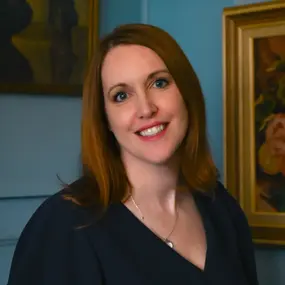
Larisa is an Innovation and Technology Coordinator, AI literacy coach, and former science teacher of 16 years. She began her career at a small Catholic school in Upstate NY, moved to a large city district, then eventually moved to South Carolina and started teaching virtually in 2016. She and her husband have 2 children who are both currently in middle school.
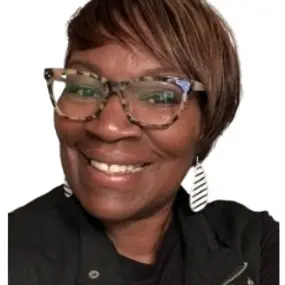
Teacher Leader/EdTech Enthusiast/Wife/Mom/Veteran
LaKeshia Brooks
Teacher Leader | Virtual Math Educator | ISTE Certified Educator | EdTech & AI Integration Advocate | Co-Host of AI Is Not Just Another Thing Podcast
I am a teacher leader, virtual math educator, and edtech advocate with more than 17 years of experience supporting students, families, and educators. I am an ISTE Certified Educator, Microsoft Innovative Educator Expert, Microsoft Certified Educator, and Canva Education Trainer. I am passionate about helping teachers use technology in meaningful, practical, and student-centered ways.
As a virtual math educator, I focus on building student confidence, encouraging productive struggle, and helping learners see math as something they can access, discuss, and grow through. My work centers on using AI and educational technology as thought partners, not shortcuts, to support deeper learning, reflection, creativity, and equitable access.
I am also the co-host of the podcast AI Is Not Just Another Thing, where Larissa Black and I explore how educators can navigate AI with curiosity, clarity, and purpose. Through my leadership, presentations, and professional learning work, I am committed to empowering teachers to try new tools, ask thoughtful questions, and create learning experiences that help students think, grow, and thrive.