

 Spotify

 Apple Podcasts

 RSS Feed
 Goodpods
 Amazon Music
 Pandora
Every Student a Founder: Entrepreneurship in the Age of AI | 381
In Episode 381 of My EdTech Life, host Dr. Alfonso Mendoza talks with Jeff Meade, Director of Entrepreneurship at Paul Quinn College, an HBCU in Dallas, Texas. Jeff founded Every Quinnite Is an Entrepreneur, a program that makes starting a business a graduation requirement for every student. After two decades building ad agencies, he left consulting to help more Black and minority students build businesses and break the cycle of intergenerational poverty.


Key Takeaways
- Every student at Paul Quinn College must start a business as part of a team in order to graduate, ensuring practical real-world experience before entering the workforce.
- Jeff Meade emphasizes that AI should be used to handle the easy busywork and accelerate the launch process, but it cannot stand on a stage and sell an idea for a student.
- Students learn to identify "aspirin problems" rather than "vitamin problems," focusing on acute pain points that real customers are actively willing to pay to fix.
- Despite leveraging AI and vibe coding to build business websites in a single three-hour workshop, customer research remains strictly analog, requiring students to put devices down and talk to people.
- Grading student businesses focuses less on total revenue and more on whether students built something from nothing and developed critical workplace skills like creativity, decision-making, and adaptability.
What if every student had to start a business to graduate? At Paul Quinn College, they do, and AI helps them launch faster.
In Episode 381 of My EdTech Life, host Dr. Alfonso Mendoza talks with Jeff Meade, Director of Entrepreneurship at Paul Quinn College, an HBCU in Dallas, Texas. Jeff founded Every Quinnite Is an Entrepreneur, a program that makes starting a business a graduation requirement for every student. After two decades building ad agencies, he left consulting to help more Black and minority students build businesses and break the cycle of intergenerational poverty.
Jeff walks through the whole founder journey: a six-week Summer Bridge where freshmen hunt for real problems, a pitch in front of 200 students and real investors, and a fall semester where AI and vibe coding turn ideas into working businesses. His rule for AI is simple: "AI is gonna take care of the easy stuff." It cannot stand on a stage and sell your idea for you.
Key takeaways:
- Every Paul Quinn student starts a business to graduate, always as a team. "If you can't convince one of your peers on your idea, you're not convincing anybody else."
- Look for aspirin problems, not vitamin problems: pain people will actually pay to fix.
- Students vibe code a website for their business in one three-hour workshop, then iterate based on real market feedback.
- Customer research stays analog. Students have to put the device down and talk to real people.
- Success is more than revenue. The goal is students who can build something from nothing and become entrepreneurs of their own lives.
- Middle schoolers pitch fearless, big ideas. K-12 schools can start this work early.
Frequently asked questions:
What is Every Quinnite Is an Entrepreneur?
It is Paul Quinn College's entrepreneurship program, founded and led by Jeff. Every student must start a business, as part of a team, in order to graduate.
Why teach entrepreneurship instead of only job placement?
Paul Quinn's goal is to end intergenerational poverty. Its work program places students in jobs, while entrepreneurship teaches them to create jobs. Jeff says employers unsure of how AI will reshape work want people who are creative, think on their feet, and make decisions without all the information.
How do students use AI in the program?
To move faster. AI handles the busywork, and students vibe code a business website in a single workshop so they can test ideas in public. Jeff's point: AI can get you to the stage quicker, but it can't pitch for you.
How are student businesses graded?
Revenue is one measure, but Jeff looks harder at whether students built something from nothing and developed the skills employers want. Teams that barely break even can still earn strong marks.
Can K-12 schools do this?
Yes. Paul Quinn manages four middle schools that run the same program, and Jeff says their eighth graders pitched bigger, bolder ideas than many college students.
Chapters:
0:00 AI can't pitch for you
0:29 Welcome and thank you to our sponsors
1:11 Meet Jeff Meade of Paul Quinn College
3:10 From ad agencies to academia
8:15 Why entrepreneurship, not just job placement
11:55 What AI means for entry-level work
13:17 Inside the six-week Summer Bridge
14:55 Aspirin problems vs. vitamin problems
16:48 Using AI to launch faster
19:05 Beyond startups: franchising and acquisition
25:27 Vibe coding a business website in three hours
28:56 Why students must talk to real customers
32:00 How do you grade a student business?
35:08 Every student an entrepreneur of their own life
38:27 What eighth graders taught Jeff about big ideas
43:52 Lightning round and the Quinnite introduction
46:13 How to connect with Jeff
Connect with Jeff Meade:
Website and speaking: https://jeff-meade.com
Paul Quinn College entrepreneurship: https://paulquinn.edu/entrepreneurship
Mentioned in this episode:
Episode 377 with Crevita Moody: https://www.myedtech.life/crevita/
Join the conversation: What problem in your community would you want your students to solve? Tell us in the comments.
Thank you to our sponsors: Comeback Coffee, Book Creator, Eduaide.AI, and Peel Back Education.
Want to sponsor My EdTech Life in 2027? Reach out: https://www.myedtech.life/contact/
Subscribe for more conversations with educators and edtech leaders: https://www.youtube.com/@MyEdTechLife
Get the newsletter: https://www.myedtech.life/subscribe/
Explore all episodes: https://www.myedtech.life/
Connect with me:
X: https://x.com/MyEdTechLife
LinkedIn: https://www.linkedin.com/in/amendoza1381/
Instagram: https://www.instagram.com/myedtechlife/
TikTok: https://www.tiktok.com/@myedtechlife
Stay Techie ✌️
Thank you for watching or listening to our show!
Until Next Time, Stay Techie!
-Fonz
🎙️ Love our content? Sponsor MyEdTechLife Podcast and connect with our passionate edtech audience! Reach out to me at myedtechlife@gmail.com. ✨
Frequently Asked Questions
What is Every Quinnite Is an Entrepreneur?
It is a foundational program at Paul Quinn College founded and led by Jeff Meade that requires every student to start a business as part of a team in order to graduate.
How do students use AI in Paul Quinn College's entrepreneurship program?
Students use generative AI and vibe coding to quickly build business websites and eliminate the friction of getting started, allowing them to test ideas and iterate rapidly in public.
Why does Paul Quinn College teach entrepreneurship instead of focusing solely on job placement?
The college's primary mission is to eradicate intergenerational poverty by teaching students how to create jobs and think on their feet rather than solely preparing them for traditional employment.
Can K-12 schools implement entrepreneurship programs like Paul Quinn College?
Yes, Paul Quinn College successfully manages middle schools that run the exact same program, proving that younger students are fully capable of pitching bold, innovative ideas.
00:00 - Why AI Won’t Save Your Pitch
01:11 - Meet Jeff Mead And Paul Quinn
08:16 - Entrepreneurship Against Intergenerational Poverty
13:50 - Summer Bridge Problem To Pitch
24:28 - Generative AI And Vibe Coding MVPs
28:58 - Old School Customer Discovery Conversations
31:14 - Grading Startups Without Perfect Metrics
37:44 - What K-12 Can Learn From Pitches
44:00 - Lightning Round And The Quinnite Intro
47:24 - How To Connect And Support
Why AI Won’t Save Your Pitch
Jeff Meade
And one thing I have to say is I'm not scared to use AI. I'm not scared for my students to use AI. I want them to be completely comfortable using AI. I always tell them AI is going to take care of the easy stuff. It's not going to be able to like shelter you when you have to get on a stage and for five minutes sell somebody on an idea. And if you didn't do the work, if you haven't thought about this seriously, you will get exposed. But AI will help you get to that stage quicker.
Dr. Alfonso Mendoza
Hello everybody and welcome to another great episode of My EdTech Life. Thank you so much for joining me on this wonderful day. And wherever it is you're joining us from around the world, thank you as always for all of your support. We appreciate all the likes, the shares, the follows. Thank you so much to our amazing sponsors. I want to give Comeback Coffee a big shout out. Thank you so much, Comeback Coffee, for always keeping us caffeinated and creative all at once. So thank you so much to all our wonderful sponsors for helping us bring these conversations to you where we can continue to grow in our education space, not only professionally, but personally.
Meet Jeff Mead And Paul Quinn
Dr. Alfonso Mendoza
And today I would love to welcome Jeff Mead to the show. Jeff, how are you doing today?
Jeff Meade
I'm doing great. I'm doing wonderful. Thanks for having me.
Dr. Alfonso Mendoza
Excellent, Jeff. Well, for our audience members that are not familiar with your work yet or maybe haven't connected with you, which I promise you after this episode, you will probably have more people connect with you. Can you just give us a little brief intro and what your context is within the education space?
Jeff Meade
I am the director of entrepreneurship for Paul Quinn, Paul Quinn College. We are an HBCU located in Dallas, Texas. I've been running the entrepreneurship for the past two years. Founded the entrepreneurship program and been running it the last two years. Our program is called Every Quinnite is an Entrepreneur. And it's just like the title says every quinnite, every Paul Quinn student has to start a business in order to graduate. It's a graduation requirement now.
Dr. Alfonso Mendoza
That is amazing. Now, there's so much to unpack there because I know as I was doing a little bit of research, I was like, I definitely need to uh get Jeff on the show because I have some issues that I'll probably bring out later on in just a second. But a good conversation, so not issues with your work. But you know, with me, I I felt like maybe I didn't get that experience. And I believe that at least every business school, you know, should start offering that. And I know maybe during my time, maybe things were different. It was a little bit harder, depending
Jeff Meade
on
Dr. Alfonso Mendoza
what the case was. But boy, do I wish that things would have been a little bit different. But we'll get into all of that in just a second. But I just want to ask you, Jeff. I I know that you have also just an extensive background too, you know, in business and so on. But I want to ask you, what what made you, you know, become part of Paul Quinn and to continue to do this work?
Jeff Meade
It it's a funny story. So, you know, uh three years ago, let's let's call it just three years ago, someone would have said, Do you see yourself in academia? I'd have said no, and probably laughed, right? Like I just, it wasn't any part of my vision that I had for myself. But I tell you what did happen. And and so prior to this, I was running a management consulting firm. And our target audience was ad agencies, marketing agencies, creative agencies, and and that's because that's been my world for the past two decades. I've built ad agencies, I've had ops offers to acquire my ad agencies, and so that's that's been my world. And so I was doing management consulting, and you know, really what happened was we were pretty successful, and our clients were pretty successful, and and ultimately what I noticed was none of my clients looked like me. And I just was like, man, there really are no minorities in this space. Um, you know, and and I say minorities, first there wasn't any black folks, um, but just really there wasn't really any minorities in the space. And so I was just trying to figure out like what's going on. And so I just had this thing, and I was like, I just want to figure out how to get more clients that look like me. I think this is a great way to build wealth in the black community. And so that that was kind of just the goal, and I was like, I'll I'll figure it out, and started pulling on some strings and realized it was a much bigger problem. It wasn't just that they were in a lot of black ad agencies or black creative agencies, they were in a lot of black businesses, um, wasn't a lot of black startup founders. And so I saw that this because this was a much bigger problem, I I got intrigued, and I said, Man, with all of my experience, this there's probably a way to figure this out and and really write this wrong. And and so I came up with this idea, and I said, Man, this this could work. And and so I started pitching it to schools, and I said, Yeah, this is I think we should build like this lab, this academy, you know, I didn't really know how to title it, but I was just trying to throw the idea out, and and really as I started having more and more conversations, I realized one, that academic institutions don't move that quickly, right? And so I was like, this this is gonna this is gonna be a Herculean effort. Uh and two, I realized I needed to be inside, and it was one of those moments where you know, you have an idea, you kind of model it out, you'll do a SWOT analysis, you'll do all these frameworks, and I just kept coming back to I gotta be on the inside for this to work. And and that was a realization that I I just I wasn't comfortable with at first. I was like, oh my god, what am I saying? You know, am I saying that I'm not gonna do the consulting anymore? And and I realized this was bigger than me. Um, it was bigger than what I was doing. And and truly what I love about what I'm doing now is, you know, through the business, it was great. Um, you know, I did really well. Um but it was very, it was a very selfish endeavor. Um, and and what I'm doing now feels like I'm giving back in some way. Uh, and really helping young people have the opportunities I didn't have. Um, I remember coming out of undergrad and starting a business and and being very lucky. Uh, we were successful, but there was a ton of luck involved. And then there was a ton of there was a ton of good luck at good luck at first, and then there was some bad luck. And and when the bad luck came, uh, I had no one in my circle to turn to. Uh you know, me and my business partner. We we had no no aunts or uncles, just no one in our circle that we could turn to. And I thought to myself, I never want that to happen to someone again. And so that's really how I got here, this kind of circuitous route of I saw a wrong that I wanted to write.
Dr. Alfonso Mendoza
I love that. You know, and that's such a great story, and it really just uh I feel you, you know, in that sense, because I myself, like you mentioned, you never meant thought that you'd end up in academia, and yet here you are, and you're making a wonderful difference. I myself, I never thought I would be in education, and 20 years later, you know, here I am. And I and actually I come in from the marketing uh background and uh marketing and advertising. So I did that for a couple of years, and then it was just one of those fork in the road moments where I had to make a decision, and you know, I I was like, okay, here we go. And I was thinking, like, man, did I make the right decision? But as soon as I came in, I was like, I absolutely fell in love with education and everything about it. So yeah, so it and making that huge difference and impact. But kind of going back to your story, Jeff, which I really love because it really, you know, speaks to you seeing something and then taking action. And one
Entrepreneurship Against Intergenerational Poverty
Dr. Alfonso Mendoza
of the things that I really uh find interest in here is uh the goal of Paul Quinn's. It says so is Paul Quinn's stated goal is eradicating intergenerational poverty with entrepreneurship. So I want to ask you why entrepreneurship rather than just job placement, and especially right now with AI reshaping the entry-level work.
Jeff Meade
We we I'll unpack that a little bit. So we we do do jobs as well, and and about 15 years ago, yes, it's coming up on 15 years, we we started the corporate work program, and and essentially what that is, is that every student who comes to Paul Quinn who lives on campus, there's a distinction. Um, but any of our on-campus students have to have a job while they're on campus. And so the way it starts out is your freshman year, you're given a job around campus. Like in my department, I have an intern and they help out, right? And the goal for us is we gotta coach them up so that come sophomore year, they're ready to go out and work in corporate America, right? And and so ideally, a year working with me should have them ready to work with any of the companies in the DFW Metroplex. What's fortunate about us is being in Dallas, tons of Fortune 500 companies, tons of big businesses, so we can place students. And and that's been going really well for us. Uh, really, really well. And a couple years ago, what happened was we said, all right, we're we're accomplishing this part of the goal, and we're training students for really good jobs. Uh, but then we started asking a bigger question, right? And and it stemmed from, it actually stemmed from during COVID. And during COVID, and this is before I got there, but during COVID, you know, everybody's going to virtual classrooms, and the president and his cabinet, they just asked a really big question. And they said, all right, we're we're kind of rolling out this virtual stuff. If we have to be honest with ourselves, we're not great at it, right? We're just figuring it out. But this is an opportunity for us to say, if we were starting from this point right now, what would we do differently? Right? And nothing was off the table. And so they looked and said, Well, corporate work's going pretty good, but what if instead of people just getting jobs, we had a program where they could create jobs for themselves and for the community? And so that's that planted the seed. And they were like, Yes, we got to figure that out. And so that was kind of planted, and then they said, Well, we need somebody to to run that, right? Like, like we gotta figure out, we gotta find somebody. And what's funny about that is they've been looking for somebody for years, and little did I know that when I came and actually got to pitch my idea, that in the background they were looking for somebody. I had just through a friend of a friend connected with the president of the school and said, I have this idea, I have no idea where you guys' heads at, but I think this might work. And you know, and funny enough, in the background, they're they've been looking for somebody to kind of launch this entrepreneurship program. Uh and so though that's really our two-headed monster in a way that we attack intergenerational poverty. And so as as we start to look at how AI impacts that, it really is it's funny because a lot of companies are telling us with everything that they're investing into AI, they're saying we don't really know what the market's gonna look like in three to four years, which is terrifying if your window with students is three to four years, right? Like we get students in the door and we gotta figure out what kind of outcomes can we create for them in three to four years. And the people that we want to partner with to create those outcomes are telling us we don't know. And and so where entrepreneurship comes in as it relates to AI is that we are creating students who are comfortable thinking on their feet. We're creating students who are creative, uh, who are comfortable making decisions when they don't have all the information at their disposal. Right? And that's that's essentially what corporate has said the type of person they want. They're saying we don't know what they're gonna do, but if we can get this type of person, we can figure it out. And and that's what the entrepreneurship program does. Um, in addition to ideally, some of these businesses will grow and scale, but you know, statistically, we know that most folks are probably gonna end up getting jobs, and we want to be able to create the workforce that corporate America is looking for.
Dr. Alfonso Mendoza
Excellent. That is wonderful. Now, James, like here in the K-12 space, we have what we call like project-based learning. And I know it's a little different with you, it's more like venture-based learning. So, I mean, you're talking about like real stakes here, and like you mentioned, you know, part of the program is building a business, you know, you're coming out of there as an entrepreneur, you know, and learning all of this. And so, can you walk us through, you know, maybe uh you know, for all our audience members that are listening and and are curious about maybe the program and the way the program runs,
Summer Bridge Problem To Pitch
Dr. Alfonso Mendoza
can you kind of walk us through how the program starts, you know, as somebody as soon as somebody comes into the program, what are the expectations, how long is the program, and of course, just a little bit of that process, how you kind of onboard them, bring them in, and then you know, they just go ahead and start like you know, finding creating a business, you know.
Jeff Meade
Right, right, right. It it's it's fun, it's fun for me at least.
Dr. Alfonso Mendoza
Yes,
Jeff Meade
so they uh we onboard them quick, and so it the way the program starts, it's cohort base, and so we go by class. And so, for instance, this this current class, this freshman class, before they started their semester, they had me for six weeks before everybody else was on campus, right? So before any of the upperclassmen, any sophomores, juniors, seniors. For six weeks they had to campus all to themselves, and they were with me for three hours a day. And for six weeks we went through problem solving. Identify a problem that you've experienced, identify a problem in your community, uh, identify a problem that your friend has. And so it was all about finding problems. And then the next step was all right, let's see if we can come up with a solution. So they find a problem, a solution, and then we said, all right, is anybody willing to pay for that solution? Right? If not, they go back to the drawing board. I gave them a distinction from the consulting world. I said, you know, there's there's your vitamin problems and there's your aspirin problems. No one cares about vitamin problems, right? It's it's a nice to have. We want aspirin problems. So they go through this whole thing. And it's a very quick, iterative process because at six weeks, you will be standing in front of 200 other students and you will be pitching your idea to some judges, uh, and judges who've invested in businesses. They don't invest in businesses at the six week stage, but they know what questions to ask and they know and they're not pulling punches, right? And so students get up there and they're like, oh, this is very real. Uh and so that's how the program kicks off. That's how we onboard them. And then it's just about us getting curriculum real estate. And so in the fall, they go and they this class extends. And so now we're just like, how do we actually bring some of this stuff to life? It's through this next 15 weeks in the fall where they're actually trying to build it up, and we are fast tracking them, and we we leverage AI here. And and a backstory on that is when I was an undergrad, uh, Babson College, my undergrad, has a program that I've kind of modeled our program after. And so it was called FME. And so freshman year, everybody had to start a business. Uh, but we went through a whole year of coming up with like business plans, of running SWATs, of running all of these frameworks. And so I did what Paul Quinn did back in 2020. I said, Well, if I'm starting this program now, what would I do differently? Well, fast forward, they didn't have AI when they started that program, right? Like a lot of these things, I'm like, if we infuse AI, and one thing I have to say is I'm not scared to use AI. I'm not scared for my students to use AI. I want them to be completely comfortable using AI. I always tell them AI is going to take care of the easy stuff. It's not going to be able to like shelter you when you have to get on a stage and for five minutes sell somebody on an idea. And if you didn't do the work, if you haven't thought about this seriously, you will get exposed. But AI will help you get to that stage quicker. And so that's essentially what we do. So there's 15 weeks, we layer on a ton of AI to just speed us up. Uh, anybody who works in in the undergrad space, or just with students in general, know that their biggest thing is time. They do not know how to time manage. I completely remove the excuse of time because AI is speeding us up so quickly. And so then we're just we're putting together these ideas, and and this is the pivot point for students. At this point, they can say, Yeah, this is great. Oh, we've made a little bit of money, I would like to go further. And then for us as the institution, we can then say, uh, this isn't this a good idea. Maybe we will invest. And so that's when students can decide if they want to go further. But for us, once they have tried to make money, we're building out a marketplace, once they have gotten to that point, for us, they've cleared that hurdle of starting the business, right? Like they've started something from nothing, they have made money, and oftentimes those first few sales are friends and family, but they get the feeling of um actually selling something. And once they sell it to a friend or family, which isn't easy because they still have to spend money, uh, then they can see how to you know really sell their idea to other folks. Um, but that's that's how it launches, and then we have more advanced classes, like there's a class I'm teaching now for upperclassmen, it's all about finding capital, finding investors. Um, and so there's there's a lot of upper level classes where we can really help people scale their ideas, and you know, a lot of the ideas aren't at a stage where they're looking for outside capital, but for a handful of students, this is where their head is at. And so we give them that exposure. Uh, but I will say that is what I just described is the startup part of our program. I am now layering on different parts because I recognize that we have been too focused on the startup mentality, and so as I look at the different sides of entrepreneurship, I'm saying we should be doing something with franchising. Uh, we should be doing something with entrepreneurship through acquisition. And so we're starting to figure out how to layer on those experiences. And and for one, uh we're actively looking at buying a franchise right now, and the plan is for our students to work in that franchise, and in two or three years of working in that franchise, then they will be in a position to start their own franchise. Um, and so we're just giving them all these opportunities, right? It's all these immersive experiences, it's experiential learning with stakes in order to break the cycle of intergenerational poverty.
Dr. Alfonso Mendoza
I love that. You know, everything that you describe is just wonderful and amazing, just and it really pumps me up. And thinking back to my undergrad, and I was thinking to myself, I was like, man, like I I wish I had that experience. As a matter of fact, I have a colleague that I work with, and uh, you know, we graduated from the same uh same university, uh, you know, different you know, slightly different undergrads. His was computer science, mine was, you know, more on the marketing side. And one of the things that we talk about is, man, you know, wouldn't it have been great that we would have already had an LLC by the time we graduated? If we would have had, you know, just something already a foundation that when we get out there, we already have something and we're not starting from any from nothing, you know.
Jeff Meade
And
Dr. Alfonso Mendoza
so I love this taking it to that next level. Like, I mean, this is real life, uh a real life example. So for my my teachers, educators that are listening, my my superintendents that are listening right now, you're listening to to the uh what they're doing in this program firsthand and and sharing with you a little bit about the ex the importance of having that experiential learning in classrooms, those project-based learning, um, uh, you know, project-based learning, pro yeah, project, excuse me, project-based learning, you know, all those projects, thinking about all the critical thinking skills, collaboration, the creativity, the ability that you start to gain to improvise, adapt, and overcome. Because that's it, life comes at you fast. And in business, it's gonna come at you fast, where that idea was great, you started off with, and then you mentioned, you know, sometimes you're gonna have to pivot and see, okay, now maybe like we did, where we thought, like, okay, this is where I'm at, and then we ended up in slightly different roles than we thought we were gonna do. But we had to adapt and now we pivot and now, you know, we're being successful in that. And I think that this is something that is wonderful that your students are taking that experience to that next level. And I remember back in 2000, I want to say maybe fifteen, sixteen, or maybe around there, I'd gone to my very first EdTech conference, and that's where I was just like, this is it, this is my world, this is where like I found my people and everything. But I I can't remember the name of the gentleman, but I will never forget the line that he says, you know, and he says, education is a disruptor of poverty. And, you know, right now, what it is that you talked about too is we want to make sure that we disrupt that, break that cycle. And I absolutely love what it is that you share. And and it's not just, you know, here, let's get your core hours, but like you mentioned, you know, the importance of that summer bridge program where they're with you and finding problems, not necessarily finding the ideas. It's like finding the problems and then seeing, okay, where can I get a product from here? Can I start something from here? And so it really makes me happy to hear the what you are doing in this program and how these young men and women, future entrepreneurs, future businessmen and women that are going out there and then, like you said, too, are going to one day have the ability to create jobs as well. That is something that is wonderful. And and also they're coming in, like you mentioned, you know, three or four, even five years from now, we don't know how the workforce is gonna look. But one thing that I do know, and I just had uh maybe I think it was last week, I interviewed uh Kravita Moody, who is uh who is a data scientist too, and she said, you know, some of the main skills that she's talking about with her friends that are building AI is, you know, if you're a systems-oriented person, if you are a critical thinker, if you are able to adapt, if you're able to improvise, if you're able to do those things, you know, you're gonna be okay because you can pretty much get any piece of tech and just kind of roll with it. So you'll be able to get any ideas and be able to take them to that next level. So that is fantastic.
Generative AI And Vibe Coding MVPs
Dr. Alfonso Mendoza
Now, I want to talk to you a little bit about that generative AI use because, and again, this is just my voice as always being a cautious advocate. You know, I I'm I'm one of those, and I've always said I'm just very cautious with everything. I I am I am all for it. You know, there there's a lot of great things, but then, you know, it's just those things that sometimes happen. You see, you hear the news, and then all of a sudden it's like, oh, you know, let me let me like you reel back a bit. But you know, you can live in that fear all the time. But again, I I'm just cautiously advocate and just tell people to always be cautious. So I just want to ask you, as far as the the use of generative AI, you know, I know that with the projects that they do, what are some of the projects that they do with AI? Or is there like are you using vibe coding? Or you know, I'm just kind of curious at that level, because you said, hey, we can use AI, what are some of the major things that they're using it for?
Jeff Meade
Vive coding. Vive coding, definitely. Okay. That that is definitely where we've sped things up. And so when I first got there, students kind of went through the whole process I told you about. And after we went through the pitch, they had pitched their ideas, I realized that there was a lot of friction. And so it's like they had these ideas, but everybody was just like it just wouldn't start. And I felt like it was we would sit down, we would talk, all right. I like it, do something, but it just seemed like it was hard to actually get something done. And so I I just had this idea. I said, what if we just created a website for your business, right? And then you just had to put it up. And you know, a couple years ago, that would have taken forever. Now we I mean, we'll hold a three-hour workshop, and at the end of that workshop, you got a vibe code website, it just has to be done. And and that was the key. I felt like that was a huge unlock for us. Uh and so that's where we that's where we leverage it the most. And and what it helps with is my classes on kind of marketing and really selling the vision, because for so long people keep talking about the idea, or it could be this, or it could be that. But when you have to put it out into the world, you get really focused on what it is you're trying to say and who it is you're trying to say it to, right? And so that that has been really helpful for us uh just to just to help students with their message, and then it remove it removes the friction, and then they can get back to actually, all right, what is it that I'm trying to get out into the world? The beauty of removing that friction is that then they can iterate in public. Um, and so my whole thing is what is the minimum viable product I can have these students create? Once they have that, let's just go, and then we'll iterate once we get feedback from the market. But what we won't do is we won't come to class every day and talk about should we change this or should we change that? I mean, we're just throwing out opinions, let's see what the marketplace wants.
Dr. Alfonso Mendoza
Excellent. So I just wanted to ask there too, you know, because as you're talking about this, we're talking about also how fast now that you stu your students have the tools, actually, now that everybody has the tools,
Jeff Meade
yeah.
Dr. Alfonso Mendoza
You know, we definitely can move a lot faster. But I want to ask you, you know, as far as the iterative process and as your students are working through these projects, do they pause? Is there that exchange and discourse of ideas of saying, hey man, can you take a look at my project? You know, feedback. How are they learning how to ask for feedback? Is that something that for a lot of them was, you know, very new for them now that, you know, still having to communicate properly and say, hey, um, you know, can I get some of that feedback? Because sometimes I feel that we can definitely move fast with the tools. And, you know, I'm I I'm also like that too. I I say it's like I I feel like I'm a speedboat, you know, move fast, break things sometimes. Uh but we know that sometimes speed can hide a weakness in an idea. So how do your students manage that, you know, through still keeping that maybe human aspect, that feedback loop? Can you walk us through how they'd normally do that for their projects?
Jeff Meade
Absolutely.
Old School Customer Discovery Conversations
Jeff Meade
The the first part of the summer bridge is actually very analog, right? Until we get to that part where they're creating their websites. But before that, it's pretty analog. And, you know, as they're trying to find those problems that they may have experienced or they may have seen others experience in their community, right? That's the first iteration, and then they start looking out at the world at large, like, what are some problems that I want to fix? Um, before they do that, it's all about um finding the problem and and actually going to talk to people, which which is actually really scary for young people. They don't have too many opportunities where they don't get to hide behind a device uh and actually go out and talk to people. And so when they're doing the research on their ideas to truly see if this is a problem, to truly see if it goes back to those aspirin problems I mentioned before, they actually have to go out into the world and talk to people. Um, and that's that's really tough. But that's when they get their real feedback and they learn a lot, right? There's so many ways you could do research now, um, but we we truly make it old school where it's like talk to someone and see what they think. And is this someone that is actually a potential customer, right? And so, you know, it's one thing for me to say that, but they freak out when they find out they actually have to go talk to people. That's like the toughest part of it all.
Dr. Alfonso Mendoza
That definitely is, you know. I think communication, there there has been definitely a change, and you know, it's a little noticeable. And and I know I see it a lot on social media, things of that sort, you know, but you know, when you experience it firsthand, you know, there there is some differences. And even for myself, you know, growing up, I was definitely just very shy. I'm more of one of those people that is just an observer first, and so sometimes I can be very quiet, but man, there are some people that can walk in and can just own the room and just you know start conversations with everybody. And you know, it just it does take some practice, but that is something that is great that they are able to go out there, you know, take those ideas, get that feedback, and even as they're building, you know, working along with their their peers and also being able to get feedback not only from them but from you as well. So that's something that is
Grading Startups Without Perfect Metrics
Dr. Alfonso Mendoza
great. Now, as we continue with this, and you said, okay, here's what your final project is, you know, your final project is gonna be, you know, having a business, business plan, you know, as so as that you continue from here. I want to ask you, what are some of the major points that maybe you and your colleagues, how do you all assess these projects? Um, you know, at the end, what is that final product supposed to look like? Is there a rubric? Is there what are the expectations for you to say, all right, you know, you have gone through the program, you have met our expectations, and now you are ready to ready to go, you know, start your business. What are some of the how does that work there at uh Paul Quinn?
Jeff Meade
Yeah, the the the interesting thing is we're we're on year two, so we we haven't gotten a full cycle yet. Oh right. I'm I'm still my oldest cohort are sophomores right now. Um and and that's actually a good question, uh, you asked, because uh one way we're looking at it right now is we're looking at the the groups, and one thing I didn't mention is there are no solo businesses. Um, everybody has to start as a group. And you know, students push back on that. They're like, I have this idea, I don't want anybody else to do it. And I say, if you can't convince one of your peers on your idea, you're not convincing anybody else out there, right? So just get over that and figure out how to galvanize people around your idea and and figure it out, right? Um, so so that's part of it. Um, the other part is really just looking at so we look at revenue. Uh that's one. Uh, but that's not a great one, right? Because there's still students who try and they'll make money and their business will cost a lot to make to make those dollars. And I'm like, ooh, you're barely breaking even. But they're doing all the right things, right? And so those groups still, at least from a grading perspective, have still done well, right? And so what we're trying to see is can they build something from nothing? Right? Uh, can they go through this process of actually running an enterprise? Because we know going through that process, they will have the skill sets that we want. They will have this entrepreneurial mindset, right? Like there's gonna be the creativity there, they're gonna have enough reps making decisions when they don't have all the information, right? And so we're looking at that as well. Um, but as we start to come up on this four-year cycle, where you know, as my as my cohorts get older, and I've been talking to folks at other schools about what they're using as metrics, and and I've heard things like, you know, how many businesses have failed, right, as a possible metric. I haven't embraced that one yet, but but I like it because it just shows activity. Um and not activity like people are doing stuff, but it actually shows that people are trying and failing fast, right? And then they can move on to something else. And so I think there are many ways to look at this. Uh, the key is we are working in partnership with our corporate work program, and so we do have skill sets and and and tools, and you know, just as we look at what we want students to know for the workplace, we're like, all right, we are we are building the students that we know will survive in the workplace, and so um they they're gonna have the competencies that we know employees are looking for and that we want them to have. And so that's key for us right now, right? This is very much a there's gonna be a handful of businesses that break out. Uh, we know that, um, but for the most part, we just want to make sure that they have the right competencies to succeed in life, right? Like what starts my strategic plan is I want every student to be an entrepreneur of their own life. And and that means a lot. That means that they'll take agency in their life, right? They're not waiting for somebody to make decisions about their life. And so, so for us, it's it's you know, we're we're doing it right now and just trying to figure out the right rubric to um assess that. Um, we don't have it fully down yet, but but we see the process, right? We we see how it's going.
Dr. Alfonso Mendoza
Hey, progress over perfection. But I mean, I but this is what I love, you know, that it's something that you are growing right along with them too. And so this is what is so interesting about this to me and the work that you're doing, because it this is something that is brand new, but it could it's almost like you yourself too are using your entrepreneur skills, and this is that business of now you are bringing in and you know, building you know, the next the next entrepreneurs in the next two years when your sophomore cohort graduates and then graduates and they're out there, you know, you are building that pipeline, and that is so impressive. And I think that that really speaks volumes to really uh I and I'm gonna say it like your heart that you have in that you saw that there weren't like you mentioned, as you were consulting, you didn't have clients that looked like you. And you know, taking that back even into the K-12 space coming up as a teacher, that was something that I often saw as a teacher when I'm teaching here in the deepest part of South Texas. I mean, I live right along the border of Mexico, so a lot of my students were Spanish first, Spanish speaking students coming in, and you know, as we're going through our material, as we're going through, you know, our curriculum, the there there there was no connection there. So what I started doing is I would bring in people locally from the community and so on. And one of the the greatest comments that I got, they're like, sir, I had no idea that I can do that. He goes, He looks like me, and and he's doing that. And you know, it it's it's just one of those things where yeah, you really have to make those connections. So I really applaud the work that you're doing, and that I'm glad that your students are are in there already, your second cohort, you know, you've got your sophomores, your freshmen that are coming in. Uh,
What K-12 Can Learn From Pitches
Dr. Alfonso Mendoza
but I want to ask you, uh coming kind of staying here in the K-12 space as a question, what are some things that you've had the opportunity to observe as now you've had these two cohorts come in that you might be able to tell our listeners? And again, you you you can be as honest as you can, but what would you say were some things that maybe you felt that your students were a little behind in, or that they lacked maybe some kind of skills that you thought would have already been developed by the time that they graduated? Anything that comes up?
Jeff Meade
Yeah. Uh so two things. Uh so one thing is we we actually do have some experience in the K-12 space. We we took over management for four middle schools. Um, and so my program is I I have four middle schools that are going through the every Quinnites and Entrepreneur program. And so one thing I've learned from them is we had our first pitch competition last year, and and theirs is different, right? You know, I was one of the judges, we had some other folks, um, but it was more of a community feel, right? Like the parents came out, the teachers came out, and so it was really cool. And I remember what I told the teachers there, and they just did such a great job kind of making the program relevant to their students. Uh, I just remember saying, it's amazing how they're not afraid, right? And so, even at even with my college students, there's this recognition of something might be too hard or that's gonna take a lot of work. But what was really compelling about the middle school students were they just had this hubris, and it was beautiful because they were like, Yeah, I'll just figure it out. I was like, I was like, this is amazing, and and as a result, their ideas were so big. I was in my head, I was like, How are you gonna do this? But I didn't want to rain on anybody's parade, but I loved how big and exciting the ideas were. So, so I think one thing I would say in the K-12 space is think of these experiences where you can put students in and just let them run wild with it, right? Like just see what they come up with. Because given the stage, you know, these students, they were still eighth graders, right? So some of them, you know, they got stage fright when they had to come pitch. But then there were others who you were like, oh my goodness, how are you in the eighth grade? This is phenomenal, right? So it's just how can you kind of create those experiences where they could show off and just share the ideas that they have, right? And get feedback and start to build on that, right? Could you imagine coming up with an idea in middle school and then someone pours into you for the next couple years? That that's phenomenal. Um, so that that's I would definitely say that.
Dr. Alfonso Mendoza
I love that. No, and that's something that is so important that I, you know, before all of this and these conversations, you know, when I was in the classroom, it that's what it was all about. It was just being hands-on, sharing ideas, having discourse, having discussions, and everybody just, you know, tell me what you're thinking. And and I tell people, I I think coming in from that marketing background, where for marketing is I gotta know my customer. So imagine that coming in as a brand new teacher, not not knowing anything about pedagogy at all, coming in just because I had enough math credits, uh, became a math teacher, they're like, Okay, you're an algebra teacher. I was like, perfect, sounds good. And now it's like I've never taught, I've never been in front of kids, never practiced in front of kids. But then it was all about, you know, okay, let me just use what I know, my marketing skills, and say, okay, now I get to know my students a little bit first in the very beginning before I even start teaching. And then now I know how to sell them algebra because not every student is gonna buy algebra the same way. So I think that was something that was very important, but also allowing for voice and them expressing themselves, their ideas, telling me what their thought processes are or processes were and things of that sort for solving things and a lot of projects, a lot of hands-on, and really getting them to work through things, critical thinking, being able to, like we mentioned, I always say my my my three favorite words that helped me be successful is improvise, adapt, and overcome. So to be able to pour that into them and then be able to see those things in action as they worked through things and um, you know, with something beautiful. So yeah, I think that's something that is very important. And I hope that our listeners right now in the K-12 space, superintendents and so on, you know, I know that we need to do curriculum and we need to kind of be at certain points at a time, but we do need to allow for our students to be able to work through projects like this where they may be there and hopefully working together to collaborate and learn from one another and see the importance of that as they get to where you're at now, you know. So that's something that's fantastic. Well, Jeff, thank you so much. I really appreciate you being on the show today and just sharing your experience and sharing the amazing work that you are doing, which I cannot wait to put this episode out so everybody can listen to this because this is something that is exciting for me. Um, just because to me it's something novel and it's something that's great. And I feel that it's wonderful that students getting out of a program already with a business that is something so beneficial. And like you mentioned, the the opportunity to break that cycle and be able to be productive and create jobs too, you know, be able to bring their business to life and so and build communities, you know, and that's amazing. So thank you so much for that. But before we wrap up, I just want to do just a couple two questions, lightning rounds.
Lightning Round And The Quinnite Intro
Dr. Alfonso Mendoza
Questions here. So I want to ask you here, you know, coming from your standpoint and in your experience, I want you to finish this sentence for me.
Jeff Meade
Okay.
Dr. Alfonso Mendoza
AI will never replace the founder who
Jeff Meade
the founder who thinks on their feet.
Dr. Alfonso Mendoza
All right. Nice. I like that. I like that. All right. Now, um, I and I got this question here from doing some research, but you know, can you tell me a little bit about um Paul Quinn? How do students introduce themselves in Paul Quinn?
Jeff Meade
Uh they do a quin eye introduction. All right. It's beautiful. So they say their name. So anybody comes to campus and students will say their name, uh, where they're from, and the dream that they have for their life. And we do that because essentially uh if you don't share your dream, people don't know where they can help you, right? But once they know the dream that you have, they may be able to plug into their network and say, huh, I know someone that can help you in some small way achieve that goal.
Dr. Alfonso Mendoza
Perfect. So my question for you is, Jeff, can you give me a quinite introduction of yourself?
Jeff Meade
Yes. Uh Jeff Meade, I'm originally from Boston, Massachusetts, and the dream I have for myself is to create more black millionaires.
Dr. Alfonso Mendoza
I love that. I love that. Thank you so much, Jeff. That is fantastic. And I think that it I feel I thought that that was such an important piece there, you know, because like you said, you know, being able to plug in, being able to network, being able to share, and somebody, you never know who it is that you're gonna be meeting, you never know who it is that you might be talking to. And the way that you introduce yourself in that way, I think it's just something that is fantastic. And so, Jeff, thank you so much for everything that you do. And please tell us how can our listeners connect with you and follow uh the every quinnite is an entrepreneur story.
Jeff Meade
Yeah, two ways. So you can go to my website, it's jeff-mead.com and that's meademeade.com. And Jeff is with a Jay, so jeffhymead.com. And that has everything I'm working on. And if you were interested in bringing me in as a speaker for your institution, you could find the information there. And then you can go to Paul Quinn's website, so paulquinn.edu backslash entrepreneurship. Good overview of everything we're doing with the program. And if anybody wanted to support it, that's where you'd go to support it. So those two places you can find everything you need.
Dr. Alfonso Mendoza
Perfect. We will definitely link those in the show notes. So you heard it here, everybody. So those of you that are interested in learning more about the work that Jeff is doing, please make sure that you check out our show notes and make sure that you click on those links and you get all the information that you need. Connect with Jeff. Again, Jeff, thank you for your time and thank you for sharing this wonderful experience with me. Like really fills my bucket to hear about the work that you're doing and just already thinking ahead to the great future that these students will have and the great opportunities that they will have. So keep doing what you're doing.
How To Connect And Support
Dr. Alfonso Mendoza
All right, everybody, and please, all our listeners, make sure that you visit our website, myedtech.life, where you can check out this amazing episode and the other 379 episodes, guys. Six years strong. We're still going, and we are so excited to continue to bring you some amazing, amazing conversations like the one that we just had today with Jeff. So please make sure you visit our website. And I promise you, those episodes that are there too, you will find some knowledge nuggets that you can sprinkle on to what you are already doing. Great. Also, we are looking for sponsors for the 2027 year. So if you are interested in sponsoring our show, please make sure you visit our website and go to contact us, and you can go ahead and uh you know, shoot us an email. We are definitely interested in showcasing and sharing the great work that you guys are doing, also as well. So please make sure that you support our show. And thank you as always to all our listeners and my friends. Until next time, don't forget, stay tacky.
Director, Every Quinnite is an Entrepreneur
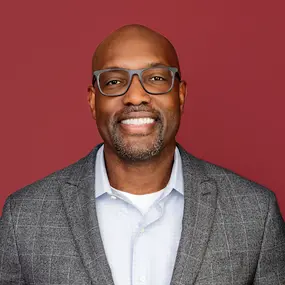
Jeff Meade is the Founding Director of Entrepreneurship at Paul Quinn College, leading Every Quinnite is an Entrepreneur, a venture-based learning model built to close the job-readiness gap. With more than 20 years of experience scaling multimillion-dollar businesses and advising growth teams, Jeff applies enterprise-level execution systems inside higher education. His approach turns so-called soft skills into observable performance in communication, leadership, problem solving, and ownership. Learners are trained to perform under pressure, not just speak in theory. His work has been featured in Harvard Business Review, Fast Company, and Entrepreneur.
SUGGESTED INTRODUCTION
Today’s guest is Jeff Meade, Founding Director of Entrepreneurship at Paul Quinn College, where he is redesigning how talent is developed for the modern workforce. Jeff leads a venture-based learning model that treats employability as a performance skill. Students build, test, and refine real ventures so they graduate ready to execute on day one. Before entering higher education, Jeff spent over 20 years scaling multimillion-dollar companies and advising growth teams. His insights on workforce readiness and entrepreneurship have been featured in Harvard Business Review, Fast Company, and Entrepreneur.



