Spotify
 Apple Podcasts
 RSS Feed
  Goodpods
  Amazon Music
  Pandora
 Why AI Won't Save a Classroom Without Curiosity ft. Olivia Odileke | My EdTech Life 364
What if the missing ingredient in your classroom isn't a new tool, a new curriculum, or another PD session, but curiosity itself? In this episode, I sit down with Olivia Odileke, founder of Spark Curiosity EDU, Education Week contributor, and creator of the Spark Curiosity GPT Coach. Olivia brings an industrial engineering background into the world of education, and her perspective on how we teach, how we evaluate, and how we use AI in classrooms is one you don't want to miss.


What if the missing ingredient in your classroom isn't a new tool, a new curriculum, or another PD session, but curiosity itself?
In this episode, I sit down with Olivia Odileke, founder of Spark Curiosity EDU, Education Week contributor, and creator of the Spark Curiosity GPT Coach. Olivia brings an industrial engineering background into the world of education, and her perspective on how we teach, how we evaluate, and how we use AI in classrooms is one you don't want to miss.
We get into why so many teachers are burning out trying to cover the curriculum instead of letting students uncover it. Olivia shares her seven-minute teacher talk rule, her Spark Task method with multiple entry points for every learner, and the powerful idea that the smallest unit of school improvement is a teacher who feels psychologically safe to try something new.
We also dig into AI in the classroom and how Olivia is using it to amplify student thinking, not replace it. From the Spark Curiosity GPT Coach to her Fearless Educator Radio project with 100+ AI-generated songs for educators, Olivia is showing what it looks like when teachers use AI as a thought partner instead of an answer machine.
Plus, get all the details on the Spark Curiosity Conference, July 31 to August 2, 2026 in Austin, Texas, where Olivia and her team are modeling what a curious classroom can actually feel like.
Chapters
00:00 Welcome and Guest Intro
02:38 Olivia’s Path to Inquiry
10:00 Engineering Mindset in Teaching
14:05 Seeing Students and Sparking Curiosity
34:26 Fail Forward Culture
39:04 Spark Curiosity GPT Coach
45:27 Curiosity With AI
49:26 Conference And Closing
Connect with Olivia:
🌐 Website: https://oliviaodileke.com/
🤖 Spark Curiosity GPT Coach: https://ai.sparkcuriosityedu.com
🎵 Fearless Educator Radio: https://fearlesseducator.com
🔗 LinkedIn: https://www.linkedin.com/in/olivia-odileke/
A huge thank you to our amazing sponsors who make this show possible:
☕ Come Back Coffee https://comebackbev.com/
📚 Book Creator https://bookcreator.com/
🎓 EduAide.AI https://www.eduaide.ai/
💛 Support the Show:
If My EdTech Life has given you some practical ideas to build on what you're already doing well, consider becoming a Producer or Super Producer through our Buy Me a Coffee membership. Your support keeps the conversations coming.
👉 https://buymeacoffee.com/myedtechlife/membership
Stay Techie ✌🏼
Thank you for watching or listening to our show!
Until Next Time, Stay Techie!
-Fonz
🎙️ Love our content? Sponsor MyEdTechLife Podcast and connect with our passionate edtech audience! Reach out to me at myedtechlife@gmail.com. ✨
00:00 - Welcome And Meet Olivia
02:20 - From Engineering To Inquiry Teaching
05:42 - Covering Content Vs Uncovering It
10:00 - Fast Feedback And Academic Engagement
14:27 - Title I Classrooms And Student Potential
18:02 - See Me First Then Teach Me
24:10 - How Schools Kill Curiosity
28:26 - What Classroom Walkthroughs Reveal
34:40 - Failing Forward With Team Support
40:01 - Spark Curiosity GPT Coach Explained
46:43 - AI As A Curiosity Thought Partner
50:20 - Spark Curiosity EDU Conference Preview
57:28 - Rapid Fire Questions And Closing
Welcome And Meet Olivia
Dr. Alfonso Mendoza
Hello everybody and welcome to another great episode of My Ed Tech Life. Thank you so much for joining us on this wonderful day. And wherever it is that you're joining us from around the world, thank you as always for all of your support. We appreciate all the likes, the shares, the follows. Thank you so much within for engaging with our content. We really appreciate all that feedback. But also, I would love to give a big shout out to our wonderful sponsors that make this show possible. Thank you so much, Comeback Coffee, for keeping us highly caffeinated and motivated to continue to push through and do some amazing episodes. Appreciate Book Creator, Eduate, and Peel Back Education. Thank you for believing in our mission to bring some amazing guests and amazing conversations into our education space. And today I am so excited because today, for my audience members, that you definitely came at a right time or you're listening to the show at the right time because I met uh the guest today, Olivia. She is fantastic. I met her in Puerto Rico at the Tech My School conference, and she is so energetic. She definitely brings that positivity, that energy, and she definitely knows how to spark curiosity. So I am so excited to welcome Olivia Odelecke to the show. Olivia, how are you doing?
Olivia Odileke
Um, whoop-woo! I love that introduction. I am fantastic, and I always tell people I'm successful.
From Engineering To Inquiry Teaching
Dr. Alfonso Mendoza
I am so excited that you're here today. And again, we met at the Tech My School conference. Uh, we definitely got to do kind of like record like a mini conversation there and so on, and just your energy, your thought process, your story. It it's just something that is wonderful. And I said, you know what? I definitely have to have you on as a guest on the show, and just so everybody can feel your energy and also just amplify the work that you're doing because you're doing some very great things that we'll get to in a moment, and we'll talk about a conference that you'll be holding also, and uh in a moment, also as well as we get to that. But before we dive into the heart of the matter, Olivia, I just want to ask you, you know, if you can give us a little brief introduction and then what your context is within the education space.
Covering Content Vs Uncovering It
Olivia Odileke
Oh, that's I'm gonna try to keep it simple. Um, started off on the untraditional path and went into industrial engineering. While I was working on my degree in industrial engineering, I was went on several studies abroads. I went on a study abroad with the College of Education, I went on a study abroad with social workers, and I went on the study abroad with Caribbean Studies. They were like, Are you sure you want to be an engineer? But what I realized is that all of those things, I was driven by curiosity to learn about people, to learn how other professions look, you know, because I think sometimes we get in a degree and we forget what it's like to look at other professions, to what is it like to be in their perspective? And and what I've realized in my life is everything is connected. There's so many things that are connected, and I really believe in this kind of whole person curriculum where we can start kind of looking from all these different a um angles. So I went the untraditional route, I went into the Peace Course right after college, and I actually started working with the College of Education, um, realized that I was a natural teacher. I young people flocked to me because I was authentic. And I think that's sometimes what we're missing in in the teaching diaspora is that it's not all about knowing the answers, sometimes it's figuring it out with the kids and them knowing that you're figuring it out too, and it makes it more authentic. So I did have study um a technical background. I did come back and do some technical work, but then I just I kept coming back to teaching. I kept, I seemed like I was always training. I end up um working at a STEM school because I really wanted more people to go into STEM, but what I realized it was very boring, extremely boring in middle school. And I'm like, this is a STEM program? Y'all trying to kill people over here. Y'all sure y'all want them to go into math and science. And then when I would kind of bring math and science together, the kids would be like, Why are you doing science and math? Why are you doing math and science? I'm like, because boo, they connected. And that kind of started making me curious about engagement. It made me curious about how can we get kids to actually start thinking. And then later on, I'm teaching full time. I go to a workshop by Dr. Ching from the University of Central Florida. He was a mechanical engineer and he was saying that all these engineering students was coming to him and they weren't thinking. So he started this inquiry institute. I went to it for three days, changed my life. Went to it for three days. Um, he had created a lot of these books, but it was like my first introduction. But he was doing like full lessons every day. And I quickly realized that wasn't practical. So then I started coming up with my own little thing. Um, the the micro version. Like, what's the micro version to get people interested in a unit of study? And that was kind of my journey. But he flipped me upside down those three days and just changed my whole paradigm and said, we gotta stop giving kids so much information and give them an opportunity to figure things out.
Dr. Alfonso Mendoza
Oh, I love that. And you know, what kind of going a little bit into that? That's a nice segue into this next question. But before I ask that, I think I I really love that last portion that you said is that we do give our students so much information. It's like so much so that they are bloated with that information, but they don't have an outlet to demonstrate that learning or discuss that learning or to show that learning. Because at least from my experience of what I've seen, it's always curriculum, go, go, go. Here's the cadence, here's six weeks, here's where we need you to be this semester, and so on. And it just seems like everything is just they're consuming, but they're not creating or demonstrating or showing or have that creative outlet to be able to go in deeper to the subject. So, you know, that that really that last statement that you made really, really stuck with me there because I was like, oh yeah, I know exactly what it is that you're talking about. But I I want to talk to you a little bit about it.
Olivia Odileke
I was in a panel. I was in a panel and I put it in two sentences. We are so focused on covering the curriculum that we burn ourselves out, versus letting the kids uncover the curriculum. Let them uncover and discover it on their own, and we're gonna spend less time, we're gonna have less burnout.
Dr. Alfonso Mendoza
Yes, yes. No, and I agree with you on that. You know, one of my practices when I was still in the classroom, and and this was an elementary, was really what I loved is that you mentioned being authentic and me coming in from industry, coming in from, well, you know, from sales and marketing and coming into the classroom. Uh my way and my view of thinking and teaching was a little different in the way that I presented the material because it's like I I need to know my customers. I need to know who it is that I'm selling the math, the science, and the social studies to so they can buy it. In other words, really engage with it, getting to know my students so I can leverage their likes and dislikes and see how I can use that to obviously spark that curiosity, help them work. But the one thing that I always knew is that I didn't know everything. I I wasn't the subject matter expert that I thought out to be. However, in the activities that we did do, like you mentioned, it was more of them doing the the the deep the work, the digging in. And I just presented what was the tier one. Here are our objectives, this is what we're looking at. Let's have a discussion. However, you are going to build, you're going to create, you're going to design. And then at the end of the week, we're all going to present and show and share our findings. And so that really helped me just to kind of really truly be kind of that guide on the side and be that learning engineer and engineering those learning experiences for them where they're the ones that are going in deep and really looking and diving in and finding those gems within the content that they later get to present. And I think that's something that is very important. And I do agree that it didn't cause me to burn out because we were all learning together. And more often than not, they're the ones that helped me look good because that first class made me look good for that second class, and then that first and second, by the end of the day, I looked like an expert. And but that we were all learning from one another. So even what I shared with my last classes, it was things that I learned from my first two, my first three classes. So that's what I loved. No burnout. It was all passion and it was all creativity and amplifying their voices. And it was amazing. It was a wonderful experience. But keeping that kind of uh engineering, like I mentioned, learning engineer. I know that you, you know, coming you coming in from that background, even as an educator, you still have kind of that engineering brain, that engineering, you know, sort of design for a lesson and a training. So I want to ask you, what do you see that a lifelong educator might miss, you know, with your experience in in the, I guess, in engineering and in teaching, what are some things that we could be doing better within the classrooms?
Olivia Odileke
Well, the first thing I initially noticed making the transition was the efficiency of a of a teacher. Um, I immediately had started grading papers and I was doing it over the weekend, and my engineer brain said, Olivia, if you keep doing this, you're not gonna you're not gonna stay a teacher long. Hey, I said um, so that is actually when I got into ed tech. I was like, okay, Edmodo kind of was out on the scene. I was figuring out, I just jumped into it. I just jumped into it and said, hey kids, jump on here. We're gonna throw assignments. I'm gonna give you feedback immediately, like in 24 hours, because I had read this paper that if you can't give students feedback in 24 hours, don't give it to them. And so this taking a test on Friday and getting the results on Monday, X, it's the wrong philosophy. If you are gonna give them a test on Friday, it needs to be electronic. They need to immediately see the feedback so they know going over the weekend, I need to go back over this information that I didn't quite understand during the week. But that was my first thing. My first thing was how can I give them feedback faster without me burning out over the weekend and not spending time with my family? So that was my first one. Then my second one is, you know, as an industrial engineer, we spend a lot of time analyzing processes and thinking about what are your bottlenecks, what are the things that are taking the most time? Well, we know lesson planning takes a lot of time. Um, but it's not enough just to write the lesson. The next part for me was what is the experience? I spent a lot of time observing the experience of the students because I was looking at my students. I wasn't talking to them, I was feeling what are they experiencing when they're in my class, you know, and people always say, Oh man, everybody having a good time. You know, people answer because I'm I'm sitting here always thinking about my users, you know, who are my clients? Like you said, you came from that marketing. The mindset is a little different because I don't just look at them as people I'm giving stuff to. I want them to leave satisfied. I want them to leave like they challenged themselves and they grew and they brain herted a little bit because that was my thing. Like if you left my class and your brain didn't hurt, there was a problem. So the first part was, what am I spending my most time on? I gotta be a little more efficient. I need them, you know, to get this feedback. And then I used to, I was reading a lot of books too, because I'm like, I'm green, I didn't go the traditional teacher route, but I was reading it from teachers who were practitioners, people who were like in the classroom doing this, not you know, at some university talking about what's going on in the classroom. I need people who know kids today. And then the the biggest problem, though, that I noticed and in my mindset was how can we get this engagement? And it's not just engaging them, clap, clap, clap, you know, snap, snap. We engage. No, no, no. It's academic engagement. How can I get them academically to engage, academically to retain, and not make it feel boring?
Dr. Alfonso Mendoza
Yeah, and you know, and that's something that is very, very important. And and which kind of leads me to this next question because I I want to get to the part where, you know, we unpack a little bit about what you say, which is see me first, then teach me. But before we get to that, before you became, you know, this very well-known national voice, and obviously national and international, you know, did going to Puerto Rico, and also, you know, we'll talk about your conference that is coming up. But you did spend. And I went to China.
Olivia Odileke
I did I spent like a week in China presenting. That was like the best experience. And they said they love me, they want me to come back.
Dr. Alfonso Mendoza
There you go.
Olivia Odileke
Now look at that.
Dr. Alfonso Mendoza
Now, I want to ask you here, because you did spend some time in Title I schools before all of this and all of the success and everything that you're doing came about. But I want to ask you in those years, what is it that you learned about curiosity that you wouldn't have otherwise learned, maybe in a different district that was maybe, you know, the demographics were maybe a little bit different, or maybe that you couldn't or wouldn't find in a research paper?
Title I Classrooms And Student Potential
Olivia Odileke
That is a very good question. Um, because pretty much my whole experience has been at Title I schools. Um, what I found is I kept hearing that word Title I, first of all, and it was confusing me. Um, because I'm like, what is this Title I stuff? And then, oh, because we have the free and reduced lunch, and our kids come from, you know, social economic backgrounds. So it's okay. Um, but that I didn't see that. Like I just saw bright minds coming to me every day who were super intelligent and who were hungry for more. But again, I actually started co-teaching, not really co-teaching. I would come in with um science teachers and I would co-facilitate. So I got to go into a lot of classrooms and I got to actually see the dynamics of the kids. And it's it was almost like like I was a lifesaver for some of those kids because the key the teachers were already treating them like they couldn't learn certain things, or here are the kids that are gonna do well, and these kids are not. But I did not see that. I saw a put I saw the 10. I I call it the potential, the 10 in every student. I see it on top of their heads, and I think going into those schools, it just motivated me to be like, you're a 10. I don't care what background you come from, I don't care, you know, what what community you come from, um, you're a genius. And and and because I saw that, I pulled it out. And also because I started with these inquiry tasks, these micro inquiry tasks initially, I did not know what these young people were gonna say. So I was a little scared, you know. Most of the time in classrooms as teachers, we know kind of what students are gonna say because we are we got all the questions. But when you start asking questions to really make students think, you do not know exactly how that's gonna work out. And that takes fearlessness in order to do that. And I just think we underestimate children, and I I personally believe that they have so many ideas. If we would just push them and not just push them to to absorb, but push them to think and apply and see how the knowledge you're learning can work one day to solve big problems in our community. Because is that not the purpose of learning? Like you're learning to go do something with your life, and even if that's working in a school as a teacher, even as a janitor, but whatever you do, do it with your whole soul. Like, this is what I love doing and do it. And I think part of school and part of my job is to help find that potential and speak to it. And the curriculum does not show up as potential. We don't see it. They don't tell you, say, hey baby, you know, you you drink you thinking like you could be a Microsoft owner one day. You acting like you created open A item kind of questions. You asking baby. Now that's potential. See, they're not used to those kind of conversations, but part of sparking curiosity is seeing them outside of the curriculum.
See Me First Then Teach Me
Dr. Alfonso Mendoza
Oh, I love that. Now, that's a perfect segue to this next portion because, like you said before, it's about see me first, then teach me. And Olivia, as you know, you know, school districts year after year or every other year, or depending, you know, are buying new curriculums. They're buying new tech, new tech programs that are gonna help solve you know mathematics problems or you know, as far as testing is concerned for reading and so on and helping them out. But what I want to ask you is how how do we see students, you know, on the day-to-day, what does that actually look like? Seeing a student, you know, on any day of the week, meeting them where they're at. What has your experience been? What have you learned?
Olivia Odileke
I think sometimes when we we take the time to find out about their backgrounds first, it doesn't take a lot, but we don't have time to find out about their backgrounds. That's another reason why I created the task because part of the task is to get them to talk about what they're connected to. So by having something that takes like 10, 20 minutes, I actually gain a wealth of knowledge about the students. And I just write it down. I kind of keep a little mental note of it, and it helps me as we are going through a unit to pull it out. Hey, you remember when you asked that very phenomenal question during that session? I can see you on a board one day, you know, leading, leading people to a major decision. You know, so so that I just like seeing stuff in people. And I don't think I even got a song called Potential, and it's about teachers seeing the potential in students, but also when they start seeing the potential in students, sometimes your put your principals can see potential in you. But you can't see something if no one's seeing it in you. It's like all it's like it's it's it's a it's a repeat cycle. The other thing that you just brought up is very dear to my heart about all these tech tools and curriculums that are coming out. Um, what's happening is the basic unit of school improvement, like if we had to break it down to a sale, okay? Because you know, everything sale, you multiply, you get something very complex. The sale of a school is a teacher who feels psychologically safe to try something new. That's the sale of a school. But most teachers don't feel safe to try anything new because we evaluate them all the time. And because I'm being evaluated all the time, I can't see anything but evaluation. I can't see anything but judgment, judgment, judgment. And all of that mental stuff is affecting me seeing kids. I'm sorry, because it's just talking in my head. But I firmly believe that if teachers could feel safe, if we could focus on teams of teachers, not individual teachers, and you could give an actual sandbox for growth, evaluations have their place. But you need a space in the school system, especially a Title I school system, where as a team we see something as a challenge for our students, and then we come up with a research-based practice that we're gonna try for two to six weeks, or we're gonna bring this technology into our school and we're going to focus on this practice though. It has to be connected to practice, it can't just be, oh, we're gonna see their scores go up. It don't work that way. And once you connect it to practice and we spend two to eight weeks, a short period of time on it, then I can start seeing students because no one's just seeing me anymore, and we're seeing each other as a team. That that's really the the key. And once we we make that little shift, that little shift, and we can then start to grow, and then when we start to grow, we start to see. But as long as we are evaluating, we are like literally pushing our teachers into the dirt, they can't grow, they're suffocating because there's no avenue for growth. That's that's the deep, that's the deep part. I'm sorry, I ain't I know you weren't expecting that one, but that's really the core.
How Schools Kill Curiosity
Dr. Alfonso Mendoza
Yeah, no, no, no. And I absolutely agree with you on a lot of that, you know. And I even I myself had experiences as prior to coming in at to the district level as a digital learning uh coordinator, but uh y you do f I think the word that you used there was very well said, which is they there's a suffocation. You feel like you you you just can't do anything. You're paralyzed. You know, it it I that's how much that pressure comes and oftentimes then you know teachers that normally would take these amazing risks like you mentioned like the best thing that happened to me was when I had a principal that said, you know, Mr. Mendelsa, the standards those are your sandboxes. He goes, you can play around in that sand but just don't cross that line you know but you can teach the students and and and make the standard as fun as you need it to be as engaging as you need it to be. So he kind of just said you have free reign in how you teach your standards as long as you don't cross any lines and you stay within these bounds, you're gonna be good to go. And for me, I mean as an educator it's like oh man like I have the freedom to use tech. I can go ahead and reach out to outside experts. I can, you know, bring in people into the classroom to come and talk to my students about things and just think of innovative ways of doing things. But now like you mentioned it's it's very that evaluation process it's more just checking off the boxes, more compliant. But for the teacher it's you're you're just suffocating and and and that creativity then all of a sudden is it's no I can't take a risk because what if they come in this doesn't line up with what they want us to do and you know it just creates it it creates an unhealthy environment there. And this is this kind of goes along with what I wanted to ask you. Uh it just seems like you're giving a great segue uh for the the conversations because you wrote a very interesting piece for Education Week. And you the title of that piece, I have it here, it is How to Kill Student Creativity in five steps. So you talked about yeah oh yeah sorry student student curiosity in five steps and you talked about obviously test prep you talked about lecture screen overuse disconnection from students not seeing your students knowing who they are worksheet overloads. So I want to ask you when you go and speak whether it's at schools or you're speaking at conferences which of these do educators get most defensive about and give you that little bit of pushback when you mention them I mean we love our worksheets you know um it's easy and plus you know kids need the frequency you know repetition makes something permanent I believe that practice makes permanent um but I go back to Dr.
Olivia Odileke
Chain I'm gonna go back to him when he set up he didn't tell us anything that first like 45 minutes in the workshop no objective no no no kind of like this is what you guys are gonna do. It was kind of scary and we're like looking at each other what is this man doing like first of all research shows that when there is disequilibrium you remember you retain because it's not normal first off so if you see a worksheet you're not retaining because you you're accustomed to that that's what you see all the time or if you see step one step two step three your brain may not work at step one step two you might need step six then step one then step seven and then your brain remembers because the brain is actually kind of crazy it just sees things in little lines and TikToks and little skinny people running around because your brain is your brain and we can't see inside of kids' brains but he gave us like follow the steps and then we did something and then the other one was design the steps put put it together yourself talk about it what do you see and he was asking us these very open-ended questions and we were all trying to get the right answer because that's what that's how our brain was trained. And that's the same thing with these kids that's why when we do come in with curiosity it's scary for them because they're like is this the answer like they looking at you like they need your approval and when you say what do you think or what did your classmates think or what evidence do you have because baby I don't know tell me like prove it to me they they some of them want to shut down it it's scary what we're doing to people mentally because everything is about the answer. And I also worked at a national virtual school that had like 50 different schools so I was over like five schools and every month I looked at a hundred recordings about 15 minutes a piece I'm in all classes math middle English you know and we were looking for engagement we were looking for how how are we talking to the kids how are we doing this but at the end of the day if I had to rec replay it all I kept hearing is that's not the right answer.
Dr. Alfonso Mendoza
That's all I'm gonna say very powerful stuff there.
What Classroom Walkthroughs Reveal
Olivia Odileke
Now kind of going back into that too I know that when we spoke in Puerto Rico you told me how you also would go and observe classrooms so it's not like you're just hey I'm this national speaker and you know I'll go and speak no you're in it you're going out there you're observing classrooms and you're listening you're watching and everything so I want to ask you what is it that you're seeing in the classrooms that you have observed that maybe causes you to lose sleep at night and maybe what are some makes me cry makes me makes you cry what are some things that we're seeing right now and what might be some of those intentional little shifts that you can suggest or show or prove that just by making these little shifts I know you talked a little bit about this earlier but that that teachers might be able to do to just change that environment and spark that curiosity and spark that learning I you know I I get really emotional about this because again this is why I went this route with sparking curiosity some of these classrooms I was only in there for 15 minutes and I was about to fall asleep myself like I'm literally about to fall on the floor and I'm like I'm I got a full night of rest why am I feeling so tired you know but this is how it usually goes the teachers are performing for us because they're thinking they're being evaluated even though we're we were just doing learning walks trying to see how curriculum how was the student centered but I had several teachers afterwards say how did you like my performance I'm like you failed I wanted to tell them you failed because first of all all they do is get up in the front and they remember I'm in the class so if I was like a little fly I would probably be able to give you a better assessment because if this is what they doing when we are coming in the classroom what are they doing when there's no adult watching them this is scary. This is very very scary to me and so they come in they teach and they have kids who are confused and they say oh we'll talk to you during the small group no no no baby we're shutting it down because the minute a child is confused the minute they cannot get their response they you they have tuned out for the rest of the class and then the second thing is we ask two to three people questions we get the right answer we don't know if anybody else got the right answer and they go copy and then everybody got a little answer and everybody did good on that assessment. And then we put them in groups we call it differentiation. We we got them working on different groups so I go around and I talk to the kids I'm like baby what you doing oh we coloring in you know the multiplication tables or we doing the division or something and then I say um is this easy for you yes it's very easy um would you like to be challenged? Yes I would like to be challenged just that one question and sometimes that one shift if you go around and really honestly ask your kids did they really understand what just happened? Can they explain it to a neighbor can they go home tonight and explain it to their mama or daddy if they cannot we are failing and that's why 30% of our kids are failing math are only proficient in math in the eighth grade nationally I don't care what a district is doing if the whole America for 30 years because I already wrote a report talked 30 30 years the state of America education there has been no significant change in proficiency in reading and math for fourth and eighth graders for 30 plus years. And it's not about money we done pump so much money and money what it is is teachers are not safe to try new strategies.
Dr. Alfonso Mendoza
End of story they don't feel safe they're performing they and like I said if they're doing it for us when we come and we already scratching our heads when we leave what it what's happening when nobody's in there I'm sorry you you you asked the wrong person the wrong question this is why I do the work I do because we we got to get kids talking one thing one thing stop the teacher talk seven minutes you talk for seven minutes put a little timer on your your Google watch or your apple watch and in seven minutes when that thing you shut up and you say let's talk about what we just discussed here turn to a partner if they just did that one thing like every seven minutes let the kids do some type of activity let them engage with what then that could change that could change so much just right there that one thing yes yes yes to all of that I am with you a thousand and a thousand percent because I have seen it I know exactly what you're talking about and unfortunately like you said even as I've moved on uh you know at the district level and so on and then going out to help teachers and going out to support it's just quiet classrooms teacher led even though all the PD that they get says hey we got to make it student centered we got to make sure that they're talking and that they're discussing but I think you you hit it right on the head when you said then they they get scared and they have to perform they revert back to that performance because that is what they're being graded on or evaluated on at the end of the day when or at the end of the year when they have their final evaluation. And then I almost feel that because they're performing too students are perform performing as well I mean students are sitting there one thing that you mentioned is you know I feel that many times it's just the students are mimicking exactly what the teacher is doing with no in-depth knowledge of the why. There is never a why question why are we doing this or why do you think we should do this there's never those questions and that time like you mentioned allowing students to be able to answer to share ideas and so on. And so yes I am with you a thousand percent on that.
Failing Forward With Team Support
Olivia Odileke
Failure we we have to learn how to fail. See the thing is we already failing right we are already failing but we're in the classroom like we're not failing. But you have to realize that if you do go through a PD when you go back and try to implement it you don't have the confidence yet so you're gonna fail. But the kids are ready. The kids are ready for something new they like I just wish this lady would just come in here one day and just try something with us you know we don't care if she fails because and that's why the kids don't have resilience because we're not failing in front of them. We're not showing them hey we saw that you know last year the kids didn't get it when we did it this way we thought we'll try it this way but when I went into inquiry it was the most scariest feeling in my life I had I think I was better in engineering students class taking those really higher level um courses I did not feel scared but trying a task with kids and not knowing what they're gonna say not knowing how to really facilitate a discussion that's not about an answer but about a process and about thinking that was scary and I was like am I going to be able to do this but I failed and I failed at least two or three times and I've said that's when you know like after the third time you start feeling a little better and my favorite one of my favorite quotes I think I saw it from dirt Dungeon and Dragons like I didn't even watch the cartoon but someone had put me onto the movie but the whole point is if you if you stop failing you fail so the thing is you never stop failing you always should be failing why because you always trying to get better and when you're trying to get better you're not gonna get it right the first time yes yes we have to have this spirit of failing but we can't have a spirit of failing if you always evaluating us when when do they get a chance can we at least have Friday as fail day FF fail Friday day this the day when we try new stuff and nobody's evaluating us and we just get to try something I just think if just that little mental shift for leadership yes and I just wish some leaders are really listening. This is real like I talked to I I even did a survey with like 2000 teachers and these things are real to them but we don't see them. And the burnout is real because you keep trying to do something and you never have the support really to really try something that's really different and really new because it's uncomfortable first of all inside of us and then I might fail and then somebody might see me and then it's just like learning a new language when you're an adult nobody want to speak a new language that's the only reason we can't learn fast when we're adults because we're embarrassed. Yeah but we got to get over that ego. If we get that ego yes yes you be talking to the wrong person these are the things these are the things that I sit with at night and I'm like Olivia how can we help them and that's kind of why I came up with this operating system called Lead Spark Team specifically for that to get teachers to kind of be able to fail but as a team not one person doing something but the team is trying this and we're talking about it together and we do it during the PLC because the PLC really should be the place for real growth. It should be a place where you can try something new go back in the classroom come back but then have some accountability and not just be what some people have made it. Yeah some schools doing it the right way but you know some schools we know what's going on yes I was gonna say like I think you maybe you might have come up with a new framework or something and you can do the 3F framework it's fail forward Fridays you know maybe you can try that now and bring that in listen let's brainstorm we need we need brilliant people like yourself like like seriously like I just wish there was like a commission like let's go get the real brilliant people the people who are actually working in the classroom who've had results with kids who who've seen at least a hundred classrooms that's your criteria you've been in a hundred classrooms you done seen a pattern we can come and talk about this pattern now let's talk about what can we imagine it being differently how can because I don't think we've really used our imagination what we have done is continue to talk about the problem the proud is this and the problem is that and the problem but what is the solution we need to put all of our energy on a solution and then if we put all our energy there at wherever attention goes energy flows and then our energy would flow to solutions and our energy would flow to those good kids showing up to class every day our energy would be in them and we would make them the stars of our schools I love it I love it that's last I was just saying the energy last thing I'm gonna say though PLCs oftentimes I have always seen I I know what it's supposed to be but I always say PLCs often turned into please learn compliance meetings.
Dr. Alfonso Mendoza
So that's that's just my little shtick on PLCs because like you said some people are doing it wrong and I've absolutely seen all sides. So but now going back I mean hey this show is called my at tech life and of course we need to talk a little bit about tech but I want to talk a little bit because one of the things that you and I had talked about in Puerto Rico too was about the Spark Curiosity GPT coach that you created. So tell us and tell our audience members a little bit about that. What was the idea behind this? And you know just just tell us what it does. What what was the goal?
Spark Curiosity GPT Coach Explained
Olivia Odileke
Well I wrote a book for Nearpod called Beginner's Guide to Nearpod because I used to be a certified trainer with them. And within it I had started introducing these little inquiry tasks as part of the lesson plan. So then um a lot of teachers asked me about I really don't know how how this works or how to put this together. So um then I wrote another book called Spark Curiosity a quick uh a guide to quick inquiry tasks and I provided like a hundred plus examples and what they are are remember we said we don't know the why so we go into a unit we really don't know why we're learning but I'm not gonna tell you the why I'm gonna get you to pull out the concept so classic social studies example I'm seventh grade social studies teacher I'm about to introduce the American revolution to my class um how do I do that do I just get up there and start talking here these are learning objectives and you're gonna learn about who are the key guys and you know what year and all this kind of stuff. But at the end of the day I'm like well what is the concept behind the American Revolution and I'm like is it not an underdog story? Is it not about someone who didn't have anything who wasn't supposed to be in a certain place and now they're asking for their freedom and they're asking to be an independent nation? Who does this? So the inquiry task came up with is um think of a time when an underdog overcame a huge challenge. So in their groups of three to four they come up with these examples like David and Goliath um oh my um my sister she was on a volleyball team and they won all of their games and they they had just started playing you know so you're hearing this and what I'm learning about my students right at the same time right this is amazing. It's like how do you come up with this? But anyway that was the concept to introduce the unit hey we just talked about all these underdogs and then one of the guiding we always have a couple guiding questions like what do you think that underdog needed in order to overcome that challenge they needed support they needed someone to believe in them. These are the kids talking okay now when you get ready to talk about the American revolution I'm gonna tell you about one of the greatest underdogs in the world it was America America was an underdog oh my goodness kids are like now they're listening now they have a reason to like find out all of the details because I just anchored them so the Spark Curiosity coach what it does is instead of you hurting your brain on how to come up with one of these tasks all you have to do is go put in the unit you're about to cover what subject it's in and any subject I mean you could do this in music class if you want you can do it in art class like you're a teacher you should be sparking their curiosity too and then you put in something background don't just put um oh 40% of them can't read don't put that please don't do that put something about things that they connect to in their life maybe maybe many of them live in apartments maybe some of them don't have backyards like put that that's those are details versus some of the examples in curriculum books put them in a forest and the kids ain't never even been to a zoo and you putting them in a forest why they don't know that so once they put that in there it will give them a spark task that they can do in eight to 10 minutes it will give them two or four guiding questions and the last part is it will give them one or two sentences which is a community summary. And people like well what's a community summary well we just did an activity together as a community and we need to come and summarize what we learned. Like what did we learn about the underdog tell me in your own words and so the kids tell you this sentence even though you have it I tell the teachers never put this on the board because it sparks something in kids too because they've never been asked to come up with something themselves without someone giving them the answer. And then I have them write it you know part of the activity is putting it in their notebook and they refer to it as they're in the unit it's anchoring them so that they can connect the pieces but because the brain works it needs a picture it needs some type of a scam to connect to and most of the times we go into units and there's no schema at all. They have no picture you at least a stick person in your head then you can put details and then you can put and no vocabulary in the spark task there's no vocabulary why because they don't know it yet so why I'm um oh can we give them five vocabulary words Miss Oda like A no it is a spark task You want them to get curious. Why? So then the brain wants to know more. And so the whole coach is basically showing you how to do this. And plus, I have some facilitation moves in there, some ways for the novice teacher. Here's some tips on how to get the kids to talk. Because the hardest part is getting people to talk. But the reason people talk during these, because it's not about a wrong or right answer. It's multiple entry points. They are all designed to get kids to talk and think. And whether you are on a 4-0 um for a plan, or if you are have an IEP, or even if you speak another language, you can contribute in some kind of way.
Dr. Alfonso Mendoza
I love that. I love that. And it especially, like you said, multiple entry points right there at the end. I think that's something that is fantastic. And again, something that is low lift, but it's low lift, but high impact. And that is something that is great. You're getting the conversation going, you're getting the creative juices flowing, you're getting those questions, and you're talking, you're discussing, and then everybody's engaged. And I think that's something that is fantastic, and I love that. So we'll definitely make sure we link that in the show notes too. But my friend Olivia, I want to ask you, you know, obviously, you know, we talk about sparking curiosity, and that's what we want to do in classrooms. We want our teachers to be able to provide these learning environments where students are eagerly learning, questioning, sharing, speaking, being creative, thinking critically. But I want to ask you, what do you think uh the future of curiosity is going to look like now with so much AI saturating classrooms? Do you think that's going to have a positive or a negative effect? Or just does it depend on how we manage the situation? What are your thoughts on that? Seeing that, you know, this you speak to so many teachers, educators, superintendents, and you visit a lot of classrooms. What are your thoughts on that?
AI As A Curiosity Thought Partner
Olivia Odileke
Well, right now, AI is mostly being used by teachers. It hasn't really fully been used by students because we are still navigating the policies on how student data is collected, you know, because at the end of the day, they're collecting information. And we have to decide what information we're going to allow these big companies to collect from our students because at the end of the day, they need this information to market to them, basically. You let's just set the record straight in case people think they don't know. Okay, they're trying to market to them. That's why they love getting baby data, okay? Because they want to keep keep you in the ring for the rest of your life spending money. All right, I digress. Um, but as I think about AI in the classroom, um, I think AI can spark more curiosity than anything, personally, if used the right way as a thought partner. I think that a student could pose some questions in the classroom. Say, for example, we did a Spark task together, and then I said, I want you to go to AI and I want to put, I want you to put those three questions you just came up with as a group. And then I want you to ask AI to evaluate those questions. How were they the strongest? Could you have gone a little deeper? What would have made um the other person think more? And I think if we allow students to play with it that way, their brain is going to say, My question sucked. Like, I really need to up my game. And it can be used to push them more rigorously, because we're bringing, we're right now learning personally to me, like like this is the curriculum right here, right? Okay. And this is where the kids are, right? But if we get the kids just to think, like just to apply thinking, they're gonna be up here. And no matter what test we put in front of them, they will master it because they are thinkers now, they are not just people to recall. So AI to me is making me think critically more about the questions I ask and how I ask them. So the next time we have a discussion, I'm coming with my A game. Because when I go to AI and ask the questions, AI, I want AI to say, I rate your questions 10 out of 10, boo. Your questions is on point. That's when you know that brain is working. Okay, that's what I see. And then the second thing I see is kids like making songs like me on Fearless Educator Radio. Um, I see the kids making their own movies, animations, like, hey, I want you to put together a 10-minute animation explaining this process to a fourth grader. Like, that is the kind of depth we can do, and it won't take a lot of time, but again, we gotta have educators who are willing to try something new and say, let me just experiment with this. Because every day a new tool is coming out and I'm just being blown away and I'm just like, oh baby, boy, I just feel like I need to like live like a hundred more years so I can play with all these tools.
Dr. Alfonso Mendoza
I love it. Yes, I love all of that. Now, my friend, before we wrap up and we finish the show with our last three questions, uh, talk to us about the Spark Curiosity EDU conference that's being held July 31st through August 2nd. Let all our my audience members know what they can expect. You know, those of them, those that are listening right now to the show too, as well, you know, just to hype them up and get excited about this. Where is it located? How can they get more information?
Spark Curiosity EDU Conference Preview
Olivia Odileke
First of all, let me let me let me tell you something, okay? For the 2026, let me tell you something. Now, I've been over to over a hundred conferences myself. And I told you I got the engineering background. I have been studying these conferences and what we do. We come in, we have a keynote, we we break out in little sessions, you know, we go network with a couple people and we go home, we still do business as usual. I'm sorry. Most of these conferences, that's what we're doing because there's no collective vision. The goal of the Spark Curiosity Conference is to come in. As soon as you come in, we model a curious classroom. Well, what's the first part of a curious classroom? People got to feel welcome and connected. You got to come in and you got to immediately feel like you're in a community because that's the way classrooms should be. When you're in a community, then I'm not afraid to try something. I'm not afraid to share my thoughts. We we we got so many little intentional, intimate moments because at the end of the day, it's about sparking wonder before teaching. So I can't go into any content until first I build community, then we spark some wonder. We get you talking, and then your mind start wondering like, where what have I been doing in my classrooms? That's really what I want people to leave with. Like, why haven't I been doing this? Where has this been? You know where it hasn't been out there. I have been studying teacher preparatory um academies. I've been looking at the courses people take. There's nothing on curiosity, and curiosity, the the peaking of curiosity is the holy grail of teaching. It is the it's the thing that makes teaching stick. And so at the end of the day, my goal and my team's goal is that people come and the curiosity part sticks, and they start to realize that that's the spark that's been missing from the classrooms. That's the spark that's been missing from the retention. And not only that, but you gotta have fun. Like, don't come here and think you're gonna sit and get no, you're gonna tote and you're gonna you're gonna be uncomfortable. So if you don't want to be uncomfortable, this is not the conference for you, okay? This is not the conference, but if you are saying to yourself, it's time for me to be uncomfortable, it's time for me to maybe fail at something to try something new, then this is the conference for you. And all we have is A-rated presenters, and everything is about modeling. And we've created our own conference experience where people will have access to an app, not them name-bringing apps. It's the Spark Curiosity app. And one of the things, I I don't know if I told you about this, but when we go to traditional conferences, what happens after you go to a session? They they put the little thing and say rate the speaker, right? We ain't got none of that. So we ain't gotta rate nobody. Don't worry about rating nobody, okay? What we are gonna ask is that at the end of each session, all sessions, we have a uh a spark wall. What is the one idea that sparked your thinking? And then you get to see other people's thinking, and I think that's what's missing in the classroom too. Yeah, being able to see other people's thinkings because sometimes that can make you think better, that can make make your thinking stronger. Because it's like, dang, that person over there thinking deep. I need to get deeper. So that is really the goal. The goal is to say, what am I doing? Because this is totally different. I want to bring this experience to my students. And the second thing to realize is that it doesn't take a lot to start a spark. It it's not overwhelming. And what you will end up doing is you'll spend less time stressing yourself and let the kids stress themselves because they're supposed to hurt their brain when they leave your classroom, not you.
Dr. Alfonso Mendoza
There you go. I love it. And that is July 31st through August 2nd in Austin, Texas.
Olivia Odileke
I didn't even tell you nothing. Yes, it's in Austin, Texas. Austin, Texas, where is it gonna be held, my friend? It's gonna be at the Cambry Um downtown Hotel. And that first Friday night, we're gonna kick off a nice, not just drinks and social on the rooftop, because there's a rooftop bar, but we're gonna get you talking to each other right away. How many times have you gone to a conference and that first thing you don't know nobody? And everybody at their little tables and they get their little drink, and then you leave, right? Because you weren't connected. Yeah, we don't don't worry. We got all of that taken care of for you. You don't have to worry about what you're gonna do. We're gonna take care of you. We're gonna tell you exactly what to do, and then you're gonna do the same thing with your kids, and you're gonna see what happens.
Dr. Alfonso Mendoza
Oh, I love it. I love it, my friend. Olivia, thank you so much for just giving me a little bit of your time in my audience, a little bit of your time to hear your passion, hear about your work, hear about this conference, and just, you know, learning to say that, hey, it's okay to take a risk. It's okay to not know everything, but just really get the students going, building that community. I love every little bit of it. And so definitely, friends, we'll make sure we link Olivia's LinkedIn information. We'll link in the conference information too as well. And I'll even link in that uh paper that she wrote for Education Week, that publication. That way you guys can learn a little bit more and her website. So you will have total access to Olivia if you want to ever want to reach out with her, connect with her, and just uh, you know, maybe just be able to collaborate on something great and spark curiosity.
Olivia Odileke
2026 is all about collaboration because that's how you grow. And I want to tell you, Dr. Alfonso, I love you, I love the work you're doing. And it takes a lot to be in this grind and to constantly bring this type of information to the world and to different audiences because you spark a lot of people's curiosity. They they may hear something on this program they never heard before, but because of you, you open their minds up to something. So keep doing what you're doing because we need more people to do things that are uncomfortable. And I know that probably that first couple of times you was doing this, you was like, I can't, I can't go on camera. What am I gonna say? What am I gonna do? I know how it is. I started my TikTok and I was like, I was so scared, I was so like like rigid, but now it's like I can I can do TikTok every day. It's the same thing with teaching, you know, like we gotta we gotta get over that that ourselves thinking and say, we're doing this for someone else to benefit. And when you can focus on that as your why, that is that that is the energy that we need in this world. Don't focus on what your weaknesses are and what you can't do. Focus on how your gifts are gonna help others.
Dr. Alfonso Mendoza
Yes, I love that. Thank you so much for that wonderful compliment. Thank you so much, my friend. But Olivia, before we wrap up, I always end the show with these last three questions. So hopefully you're ready. I know I put them in the calendar invite and everything, but I never want to throw my guests off here. But here we go. So we know that every superhero has a pain point or weakness. And for Superman, that kryptonite was his pain point. It weakened him. So I want to ask you, Olivia, in the current state of education, what would you say would be your edu kryptonite?
Olivia Odileke
Oh, I I thought about this one. It was a kind of hard one. Well, I think it's um my edu kryptonite is navigating the space between insight and action, especially in environments where there's a tendency towards overanalysis without movement. And I personally naturally look for patterns in human behavior and in instructional practice. So when the same data is reviewed repeatedly without shifting what's happening in classrooms, it can be very challenging for me. But what I've actually learned though is that the issue isn't the data, it's how people experience the data.
Rapid Fire Questions And Closing
Dr. Alfonso Mendoza
Oh, powerful. I love that. Thank you. Question number two if you could have a billboard with anything on it, what would it be and why?
Olivia Odileke
Oh, that one's easy. Spark curiosity before you teach content.
Dr. Alfonso Mendoza
Nice, I love it.
Olivia Odileke
I've seen that when students are curious, everything changes, engagement rises, thinking deepens. The learning really sticks. So too often we jump straight into delivery without first creating that connection. And we need to create it first before we start to teach them.
Dr. Alfonso Mendoza
Nice, nice, powerful. These are great sound bites, by the way. I'm already like making notes what I'm gonna cut so I can share for this episode. All right. My last question, my friend, is if you could trade places with anyone for a single day, who would that be and why?
Olivia Odileke
I would trade places with a school principal who is actively trying to lead instructional change in today's environment, especially a principal who's trying to balance accountability, teacher morale, um, and student outcomes because it's not easy. And my work focuses on supporting leaders, but there's something very powerful about stepping fully into that role for the day. Because I would really like to feel the weight of their real-time decisions, you know, competing priorities, and also just the human side of leadership. And that perspective personally would sharpen how um I develop solutions because the best systems aren't really developed in isolation, they are focused on something that's real and usable in the everyday school system.
Dr. Alfonso Mendoza
Love it. Great answer. Thank you, my friend, Olivia. It has been an honor and a pleasure to be able to speak with you again. We had a great time in Puerto Rico. That was also a great conversation. This one, you definitely brought the energy again. And trust me, you all, this is Olivia. This is the way she really is. This is 100% just energy, contagious, and it's she is wonderful and definitely wonderful to be around. So I highly encourage you. Please make sure you click on the links in the show notes so you can connect with her, learn more about the conference.
Olivia Odileke
We didn't even talk about the radio, the fearless educator. Let me see. Tell me a little bit about that. Yes. I'm just saying that's the I got the hundred plus songs for educators to help motivate them and help them spark curiosity. I got at least 10 songs about Spark. Like, let's get it sparked in here, the Spark classroom. We about to, we get it, we're about to spark it up, spark up. We got a lot of sparks. And um, one of the reasons I got the energy is because the frequency of the music. The music is in my brain, it's talking to me all the time. And you want to go listen to The Guide on the Side. I got a song called The Guide on the Side.
Dr. Alfonso Mendoza
Oh, there you go. And we'll make sure we're gonna be able to do it.com.
Olivia Odileke
Yes, fearlesseducator.com, totally free. And I want teachers to make their own music, and I use AI to do this. Create with AI.
Dr. Alfonso Mendoza
There you go. Awesome, Olivia. See, look at you. I love this. Olivia, thank you so much. I really appreciate it. To all my audience members, please, please, please, you make sure you go and connect with Olivia. Make sure you check out all the wonderful resources in the show notes. And also don't forget, visit our website and make sure you check out every single one of our 363 episodes. I promise you, you're gonna find some gems. You're gonna find some gems that have been dropped that you can sprinkle onto what you are already doing. Great. And again, a big shout out to our sponsors for making this show happen. Thank you, Comeback Coffee. Thank you, Peel Back Education. Thank you, Book Creator, thank you, Edu8, and thank you, most importantly, to you, our audience, who continuously just engages with the content. Thank you all so much for your support in these six years that we've been doing this. And my friends, we are here. We're gonna bring you some more conversations, but again, until next time, my friends, don't forget, stay techie.
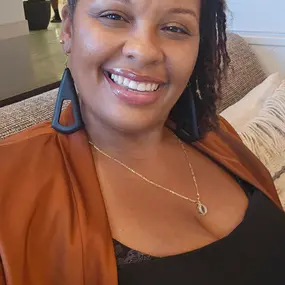
Founder, Spark Curiosity EDU Conference
Olivia Odileke is a nationally recognized educator, author, and speaker who has trained over 20,000 teachers in curiosity‑driven instruction. With 15+ years in Title I schools, she blends research‑based practice with human‑centered design to help educators “cook with curiosity”—using clear ingredients and simple steps that lead to unforgettable learning.
Founder, Spark Curiosity EDU Conference
Creator, Spark Curiosity GPT Coach
Founder, The Spark Circle
Certified Trainer (Nearpod); Math Instructional Coach (HMH)
Published lessons with CPALMS, Nearpod, and Pearson